

What is the Pneumatic Conveying of Negative Electrode Material and Its Design Principles?
Negative electrode materials are critical components in lithium-ion batteries, responsible for storing and releasing electrical energy. The efficient and reliable transport of these materials from production lines to processing equipment is essential for maintaining high manufacturing standards. Pneumatic conveying, a technology that uses air or gas to move bulk materials, has become a preferred method for handling negative electrode powders due to its ability to handle fine particles, minimize contamination, and ensure a continuous flow process. This article explores the fundamentals of pneumatic conveying for negative electrode materials and the key design principles that ensure optimal performance.
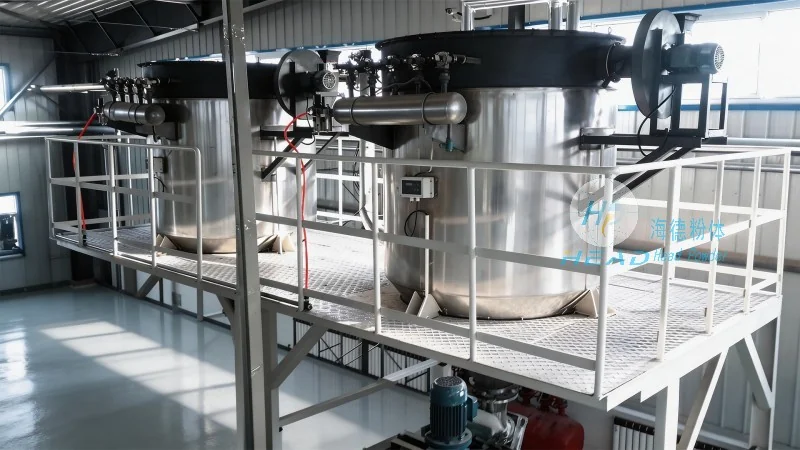
About HeadPowder: Your Expert in Material Handling Solutions
Shandong HeadPowder Engineering Co., Ltd., commonly known as headpowder, is a leading manufacturer and supplier of advanced material handling systems. With a strong presence in Shandong, China, the company specializes in customizing pneumatic conveying solutions tailored to the specific needs of the battery and chemical industries. HeadPowder’s team of engineers and technicians leverages years of experience to design, manufacture, and install systems that meet the rigorous demands of modern production environments. The company’s commitment to quality, innovation, and customer satisfaction has established it as a trusted partner for businesses seeking reliable material transport solutions.
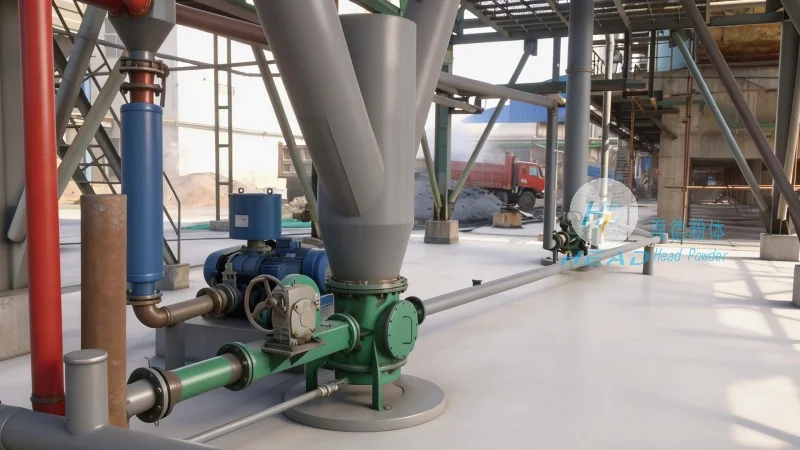
The Core Components of a Pneumatic Conveying System for Negative Electrode Materials
A pneumatic conveying system for negative electrode materials typically consists of several key components, each playing a vital role in the overall operation. The primary elements include a material feed hopper, a conveying line (either positive or negative pressure), a blower or vacuum pump, and a separation or collection unit. The feed hopper is designed to store the negative electrode powder and regulate the flow rate, preventing overloading or blockages. The conveying line, made of materials resistant to corrosion and abrasion (such as stainless steel or special polymers), ensures the safe transport of fine particles. The blower or vacuum pump provides the necessary air pressure or suction to move the material through the system. Finally, the separation unit, such as a cyclone or bag filter, separates the material from the air stream, allowing for clean material recovery and air filtration.
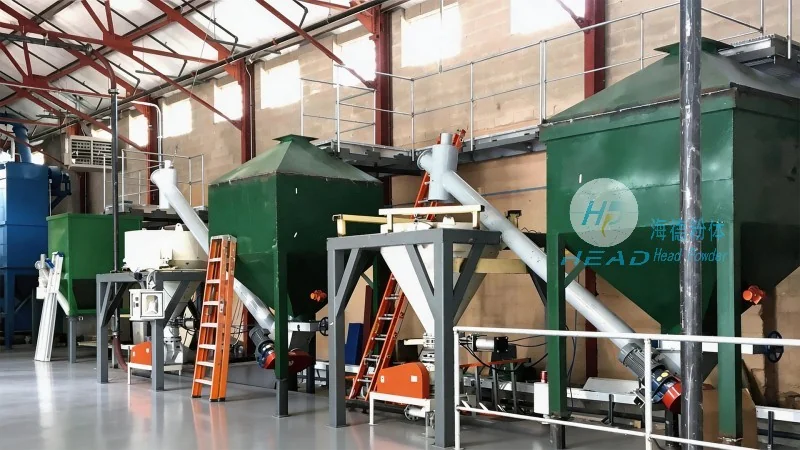
Design Principles for Optimal Performance
The success of a pneumatic conveying system for negative electrode materials depends on careful consideration of several design principles. One of the most critical factors is the selection of the appropriate conveying type—positive pressure (where air is forced through the material) or negative pressure (where air is drawn through the material). For negative electrode powders, which are often fine and sensitive, positive pressure systems are commonly preferred as they provide better control over particle flow and reduce the risk of material degradation. Another key design consideration is the air-to-solid ratio (ASR), which determines the amount of air required to transport a given quantity of material. An optimal ASR balances efficiency and energy consumption, ensuring the system operates at peak performance without excessive energy use. Additionally, the system’s layout, including the length and diameter of the conveying line, the number of bends, and the placement of feed and discharge points, must be carefully planned to minimize pressure losses and prevent material buildup. Proper maintenance and monitoring of the system, including regular cleaning of filters and checking for air leaks, are also essential to maintain long-term reliability.
Benefits of Using Pneumatic Conveying for Negative Electrode Materials
Implementing a pneumatic conveying system for negative electrode materials offers numerous advantages for manufacturers. First, it provides a clean and dust-free transport process, which is crucial for maintaining the purity of the material and preventing contamination. Unlike mechanical conveying methods, which can introduce particles or cause wear, pneumatic systems keep the material in a closed environment, reducing the risk of cross-contamination. Second, pneumatic conveying allows for high-speed and continuous material transport, increasing production efficiency and reducing downtime. The ability to handle fine particles without clogging or agglomerating is particularly beneficial for negative electrode powders, which are often sensitive to handling conditions. Third, the system’s flexibility enables easy integration with existing production lines and the ability to adjust flow rates as needed. Finally, the reduced need for manual handling and the lower risk of material loss make pneumatic conveying a cost-effective and safe solution for negative electrode material transport.
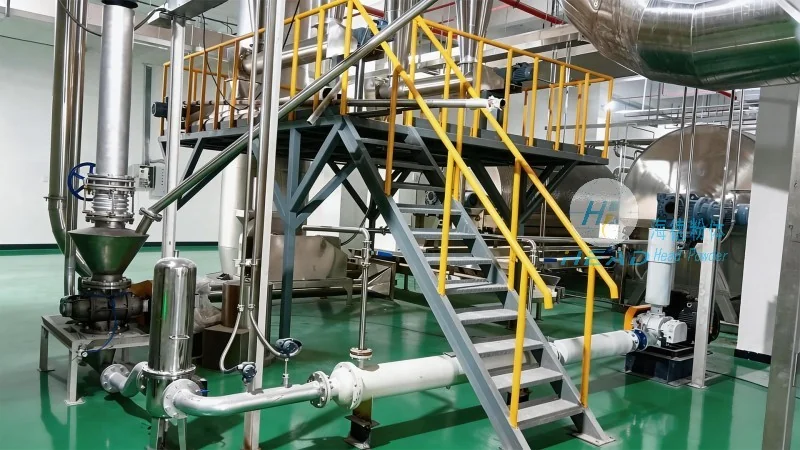
Conclusion: Partnering with HeadPowder for Reliable Material Handling
For businesses in the battery industry seeking to enhance their material handling capabilities, pneumatic conveying of negative electrode materials is a proven and effective solution. By understanding the design principles and benefits of such systems, manufacturers can improve production efficiency, maintain material quality, and reduce operational costs. Shandong HeadPowder Engineering Co., Ltd. offers comprehensive material handling solutions, including custom-designed pneumatic conveying systems tailored to the specific requirements of negative electrode material transport. With its expertise and commitment to quality, headpowder provides reliable, efficient, and cost-effective solutions that help businesses achieve their production goals. Whether you are a new manufacturer or an existing one looking to upgrade your material handling systems, partnering with headpowder ensures access to advanced technology and professional support that drives success in the competitive battery industry.