

What is Airborne Conveying of Textile Fiber Materials? And What Are Its Design Principles?
Understanding the technology of airborne conveying for textile fiber materials is crucial for industries that handle these delicate and often fine materials. This method involves transporting particles through a gas stream, typically air, and is widely used in the textile processing sector for its efficiency and ability to handle materials that are difficult to convey using traditional methods.
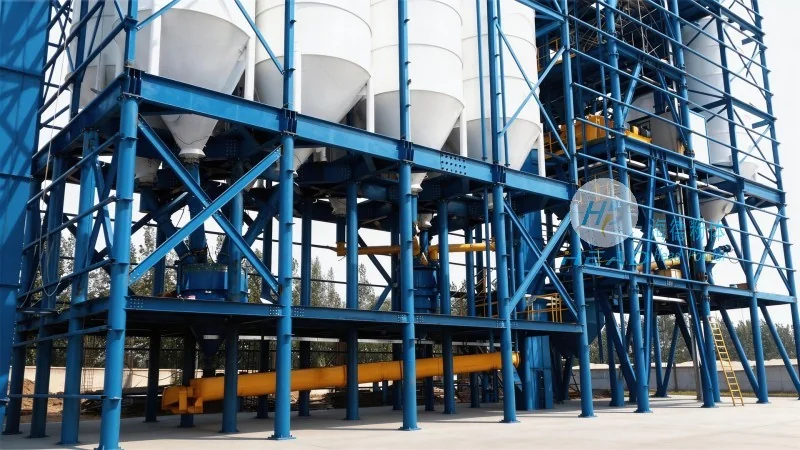
Introduction to Airborne Conveying of Textile Fiber Materials
Airborne conveying, also known as pneumatic conveying, is a process where solid particles are moved through a pipeline by the force of a moving gas. In the context of textile fibers, this technology is particularly valuable due to the unique properties of these materials—such as their light weight, fine texture, and susceptibility to damage if not handled carefully. The system typically consists of a source of material, a conveying line, and a destination point, with the gas (usually air) providing the necessary pressure or velocity to move the fibers. This method offers advantages over mechanical conveying systems, including reduced risk of material breakage, lower maintenance requirements, and the ability to transport materials over longer distances without the need for multiple transfer points.
The Design Principles of Airborne Conveying Systems for Textile Fibers
The design of an effective airborne conveying system for textile fibers must consider several key factors to ensure optimal performance and material integrity. First, the choice of gas and its velocity is critical. The gas velocity must be high enough to keep the fibers suspended and prevent them from settling or sticking to the pipeline walls, but not so high as to cause excessive wear or damage to the fibers. The system may use positive pressure (where air is blown into the pipeline) or negative pressure (where air is drawn out), depending on the application and the distance the material needs to travel. For textile fibers, positive pressure systems are often preferred as they provide better control over the material flow and reduce the risk of contamination from external air.
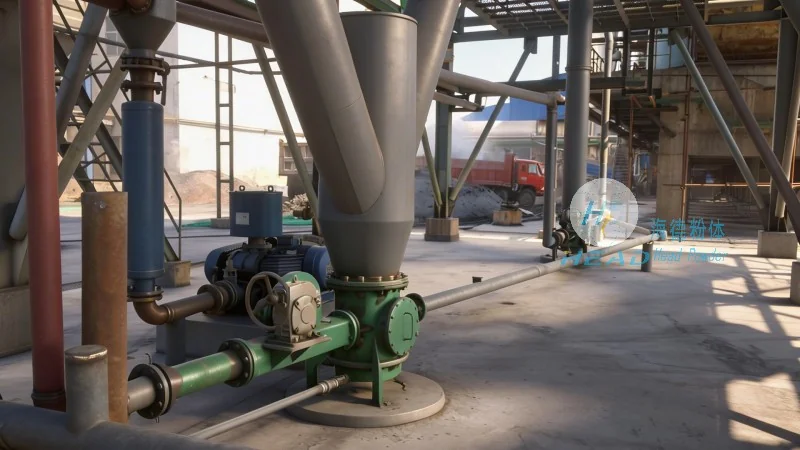
Second, the design of the conveying line itself is important. The pipeline material must be chosen to minimize friction and wear from the fibers, which can be abrasive. Common materials include stainless steel, which is resistant to corrosion and can withstand the repeated movement of fibers. The line may also be equipped with bends and turns that are designed to minimize turbulence and maintain consistent gas velocity. To prevent material buildup and blockages, the system may include features such as cyclones or filters that separate the fibers from the gas stream at the destination point. These components help maintain the efficiency of the system and prevent downtime due to clogs.
Third, the source and destination equipment are also critical components. The material feed system must be designed to introduce the fibers into the pipeline without causing excessive turbulence or damage. This may involve using feeders such as rotary valves or screw conveyors that can handle the fine fibers without breaking them. The destination equipment, such as a hopper or storage silo, must be able to receive the fibers smoothly and prevent them from escaping or causing contamination. The design of these components must consider the specific characteristics of the textile fibers, such as their size, shape, and moisture content, to ensure that the system operates effectively.
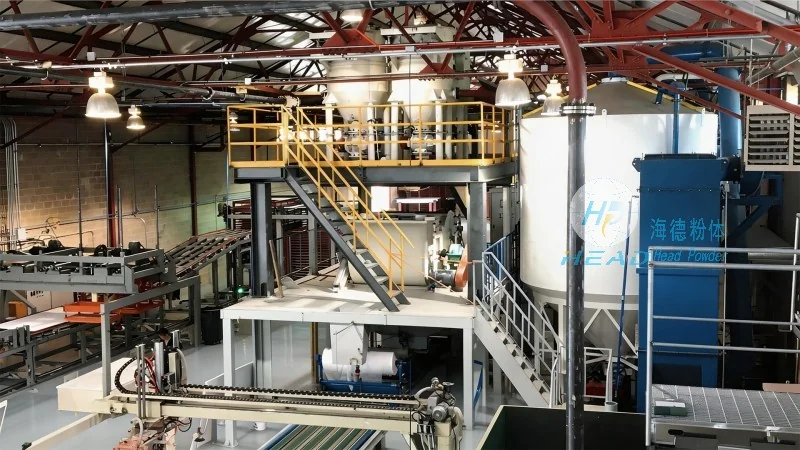
Applications and Benefits of Airborne Conveying in Textile Processing
Airborne conveying is used in a variety of applications within the textile industry, from raw material handling to finished product processing. For example, it can be used to transport raw cotton or other natural fibers from storage to processing equipment, or to move finished yarn or fabric from one production line to another. The system can also be used in quality control processes, where the fibers are conveyed to a testing station for analysis. The benefits of using airborne conveying in these applications include improved material handling efficiency, reduced labor costs, and better material quality control. Additionally, the system can be integrated with other processing equipment, such as blending machines or drying ovens, to create a seamless production line.
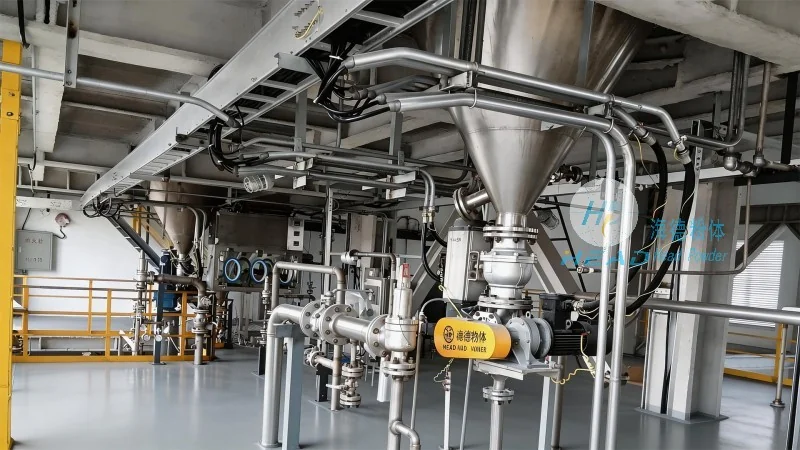
Key Considerations for Implementing an Airborne Conveying System
When implementing an airborne conveying system for textile fibers, several key considerations must be addressed to ensure successful operation. First, the system must be designed to handle the specific properties of the fibers, such as their size, shape, and moisture content. This may require adjustments to the gas velocity, pipeline diameter, or equipment design to ensure optimal performance. Second, the system must be equipped with appropriate safety features to prevent accidents and protect workers. This may include pressure relief valves, explosion-proof components, and proper ventilation systems. Third, regular maintenance is essential to keep the system running efficiently and prevent downtime. This includes cleaning the pipeline and equipment, checking for wear and tear, and replacing parts as needed.
About Shandong HeadPowder Engineering Co., Ltd.
Shandong HeadPowder Engineering Co., Ltd., a leading provider of engineering solutions for material handling systems, specializes in the design and manufacturing of airborne conveying systems for a wide range of industries, including textiles. With years of experience and a commitment to quality, the company provides customized solutions tailored to the specific needs of its clients. HeadPowder's team of engineers and technicians work closely with clients to understand their requirements and develop systems that meet their performance and budget goals. The company's headquarters is located in Shandong, China, where it has a state-of-the-art manufacturing facility and a dedicated research and development center. HeadPowder is dedicated to providing reliable and efficient material handling solutions that help its clients improve their productivity and reduce their operational costs.