

What is a Polyolefin Material Pneumatic Conveying System? What Are Its Design Principles?
When it comes to the efficient handling and transportation of polyolefin materials, the use of pneumatic conveying systems has become increasingly prevalent in industrial settings. These systems offer a reliable and effective solution for moving powders and bulk materials, including polyolefins, from one location to another within a facility. Understanding the fundamentals of such systems, including their design principles, is crucial for optimizing material flow and ensuring operational efficiency.
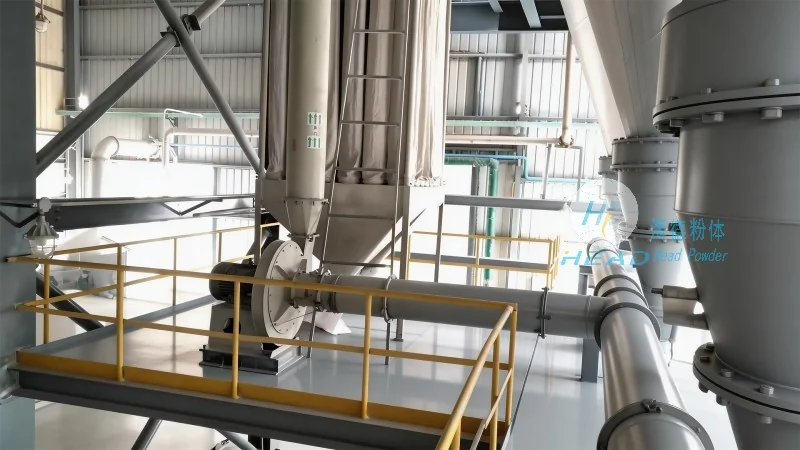
Pneumatic Conveying Systems for Polyolefin Materials: An Overview
A pneumatic conveying system is a method of transporting bulk materials through a pipeline using a gas, typically air or a combination of air and other gases. In the context of polyolefin materials, which include polymers like polyethylene and polypropylene, these systems are specifically designed to handle the unique properties of these plastics, such as their density, flowability, and potential for static charge accumulation. The system typically consists of a hopper for material storage, a conveying line, a venturi or other air-moving device, and a receiver for the discharged material.
Key Components of a Polyolefin Pneumatic Conveying System
Several key components work together to ensure the smooth operation of a polyolefin pneumatic conveying system. The material hopper is the initial point where polyolefin powders or granules are stored. It is equipped with a feeding mechanism, such as a rotary valve or a star feeder, which controls the flow of material into the conveying line. The conveying line itself is usually made of stainless steel or other corrosion-resistant materials to prevent contamination and ensure durability. The venturi or air mover is the heart of the system, generating the necessary air pressure to transport the polyolefin material through the pipeline. Finally, the receiver collects the material at the destination point, often with a discharge valve to control the release of the material.
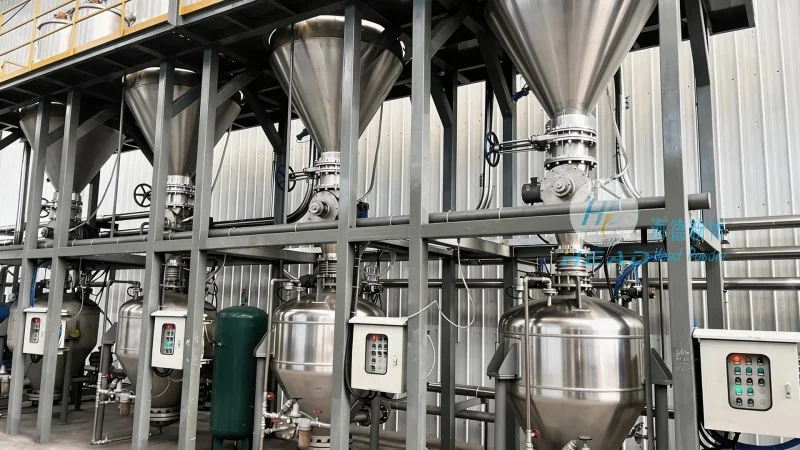
Design Principles for Efficient Polyolefin Pneumatic Conveying
The design of a polyolefin pneumatic conveying system involves several critical principles aimed at optimizing performance and ensuring reliability. One of the primary principles is maintaining consistent air velocity throughout the conveying line. This is essential to prevent material settling or blockages, which can occur if the air velocity is too low. The system must also account for the specific properties of polyolefin materials, such as their tendency to generate static electricity. Proper grounding and anti-static measures are incorporated into the design to prevent static buildup, which can lead to material sticking to the pipeline walls or causing sparks.
Another important design principle is the selection of appropriate equipment for material handling. For polyolefins, which can be abrasive or have a tendency to agglomerate, the system may include equipment like agitators or vibrators in the hopper to maintain material flow. The conveying line diameter and length are also carefully calculated based on the material's flow characteristics and the required conveying distance. Additionally, the system is designed to minimize pressure drop and energy consumption, ensuring cost-effective operation over time.
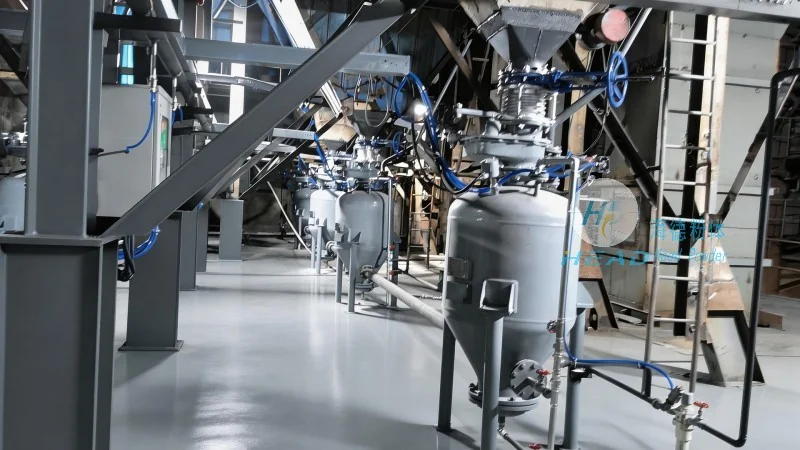
Applications and Benefits of Polyolefin Pneumatic Conveying Systems
Polyolefin pneumatic conveying systems are widely used in various industries, including plastics manufacturing, chemical processing, and food processing. In the plastics industry, these systems are commonly employed in the production of polyethylene and polypropylene products, where they are used to transport raw materials from storage to processing equipment. The benefits of using such systems include improved safety, as they eliminate the need for manual handling of bulk materials, reduced labor costs, and enhanced process control. Additionally, pneumatic conveying systems offer a hygienic and clean method of material transport, which is particularly important in food and pharmaceutical applications.
Technical Advantages and Considerations
When designing a polyolefin pneumatic conveying system, several technical advantages and considerations must be taken into account. One of the key advantages is the ability to transport materials over long distances without the need for multiple transfer points, which can reduce system complexity and maintenance requirements. The system also allows for flexible material handling, as it can be easily integrated with other processing equipment. However, there are also considerations related to material properties, such as the potential for material degradation due to high temperatures or friction within the system. Proper insulation and cooling mechanisms are incorporated to prevent such issues.
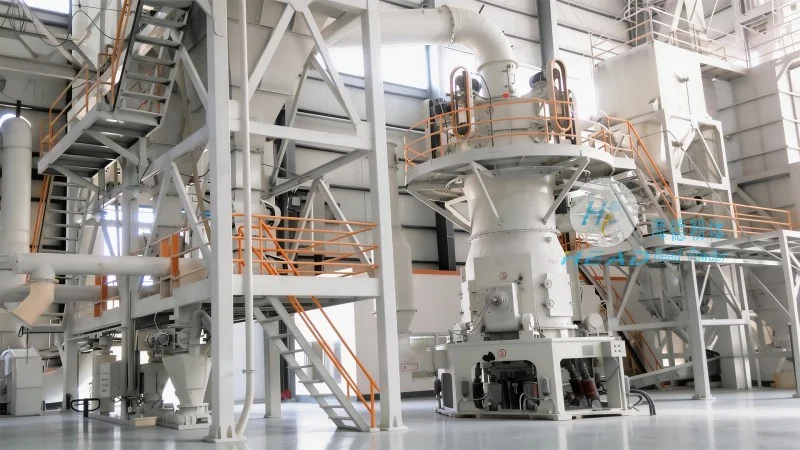
Furthermore, the system's design must account for the potential for air leakage and pressure loss, which can affect conveying efficiency. Regular maintenance and inspection of components like the venturi, filters, and seals are essential to ensure optimal performance. The use of high-quality materials for the conveying line and components is also critical to prevent corrosion or wear, which can lead to system downtime.
Conclusion: The Importance of Proper Design and Implementation
In conclusion, a polyolefin material pneumatic conveying system is a sophisticated and effective solution for the transportation of polyolefin powders and granules. The design principles, which include maintaining consistent air velocity, addressing static charge issues, and selecting appropriate equipment, are crucial for ensuring the system's efficiency and reliability. By understanding these principles and working with experienced manufacturers like Shandong HeadPowder Engineering Co., Ltd., industries can implement pneumatic conveying systems that meet their specific needs and enhance overall operational performance.