

What is a Calcined Limestone Material Pneumatic Conveying System? What Are Its Design Principles?
Calcined limestone, a vital industrial material, often requires efficient and reliable transportation to move it from storage to processing units. A pneumatic conveying system specifically designed for calcined limestone offers a solution that combines efficiency, safety, and flexibility. This article explores the fundamentals of such a system, detailing its components and the core design principles that ensure optimal performance.
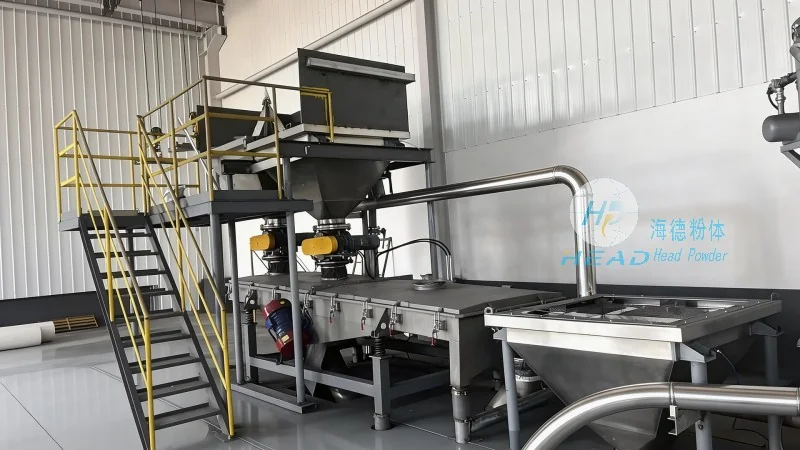
Introduction to Calcined Limestone Material Pneumatic Conveying Systems
A pneumatic conveying system for calcined limestone utilizes compressed air or other gas to transport the material through a pipeline. Unlike traditional methods like belt conveyors or bucket elevators, pneumatic systems can handle fine powders and bulk materials with minimal dust generation and reduced risk of material degradation. The system is particularly valuable in industries where calcined limestone is used as a raw material, such as in cement production, chemical manufacturing, and environmental applications.
Key Components of the Pneumatic Conveying System
The effectiveness of a calcined limestone pneumatic conveying system depends on several critical components working in harmony. These include:
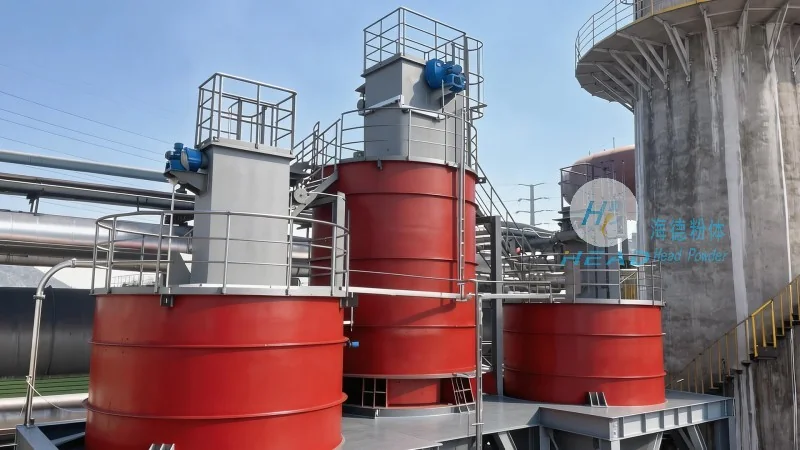
- Feeding Equipment: This component, often a rotary valve or a screw feeder, introduces the calcined limestone into the system at a controlled rate. The design must accommodate the material's bulk density and flow characteristics to prevent blockages and ensure consistent feed.
- Conveying Pipeline: The pipeline is typically made of materials like stainless steel or PVC, chosen for their resistance to corrosion and abrasion from the limestone particles. The pipeline layout, including bends and vertical sections, is designed to minimize pressure losses and maintain the material's flow.
- Air Source System: Compressed air or gas is supplied to the system via a blower or compressor. The air velocity must be sufficient to entrain the limestone particles but not so high as to cause excessive wear on the pipeline or excessive energy consumption.
- Separation and Collection Equipment: At the end of the conveying line, a separator, such as a cyclone or a baghouse, separates the limestone particles from the air stream. The collected material is then discharged into a storage bin or processing unit. The separator must be efficient in capturing fine particles to prevent dust emissions.
Design Principles and Technical Considerations
The design of a calcined limestone pneumatic conveying system is based on several key principles to ensure reliable operation and energy efficiency. One of the primary principles is the air-to-solid ratio, which is the ratio of the volume of air to the volume of material being conveyed. This ratio must be optimized to maintain the material in a suspended state without causing excessive pressure drops or energy waste.
Another critical consideration is the pressure drop along the pipeline. The system's design must account for friction losses in the pipeline, losses at bends and fittings, and losses due to the material's acceleration and deceleration. Proper calculation of these losses ensures that the air source can provide sufficient pressure to move the material throughout the system.
The choice of air velocity is also a key design factor. The velocity must be high enough to entrain the limestone particles but low enough to prevent excessive wear on the pipeline and to minimize energy consumption. For calcined limestone, typical air velocities range from 20 to 30 meters per second, depending on the particle size and density.
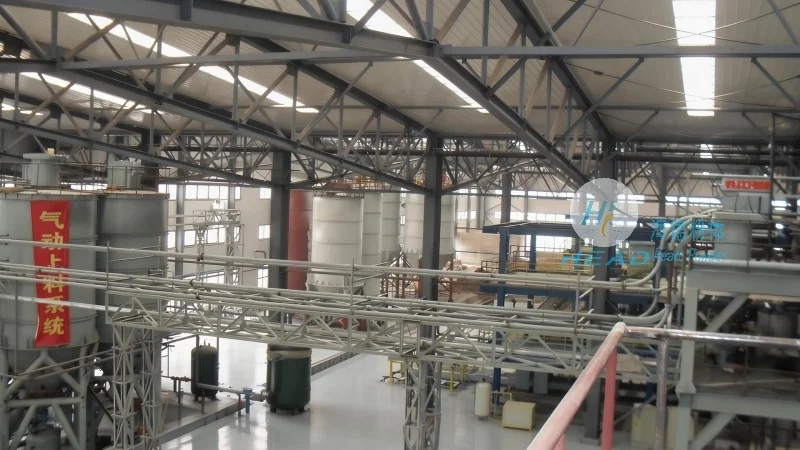
Application Scenarios and Benefits
The calcined limestone pneumatic conveying system is widely used in various industrial applications. In the cement industry, for example, it efficiently transports calcined limestone from storage silos to the raw mill or preheater. In chemical manufacturing, it can handle limestone as a raw material for producing calcium compounds. The system offers several advantages over traditional conveying methods:
- Reduced Dust and Environmental Impact: Pneumatic systems are enclosed, minimizing dust emissions and improving workplace safety.
- Space Efficiency: The system can be installed in tight spaces, as the pipeline can be routed vertically or horizontally as needed.
- Flexibility: The system can be easily reconfigured or expanded to accommodate changes in production needs.
- Energy Efficiency: With proper design, pneumatic conveying systems can be more energy-efficient than other methods, especially for long-distance or high-volume transport.
Company Overview and Expertise
Shandong HeadPowder Engineering Co., Ltd., a leading provider of material handling solutions, specializes in designing and manufacturing pneumatic conveying systems for various industrial applications. With a focus on calcined limestone and other fine materials, the company leverages decades of experience to deliver customized solutions that meet the specific needs of its clients. HeadPowder's team of engineers and technicians work closely with clients to understand their operational requirements and provide tailored system designs that optimize performance and reliability. The company's headquarters is located in Shandong, China, where it maintains state-of-the-art manufacturing facilities and research centers to develop innovative solutions in the field of material handling technology.