

What is a Pneumatic Conveying System for Solid Powder Materials? Exploring Design Principles
Understanding the fundamentals of pneumatic conveying systems for solid powder materials is crucial for industries that rely on efficient material handling. These systems utilize air or other gases to transport bulk solid materials from one location to another, offering a flexible and often more cost-effective alternative to traditional mechanical conveying methods. In this article, we delve into the core concepts of such systems and the key design principles that govern their operation, while highlighting the expertise of Shandong HeadPowder Engineering Co., Ltd. as a leading provider in the field.
Pneumatic Conveying Systems: An Overview
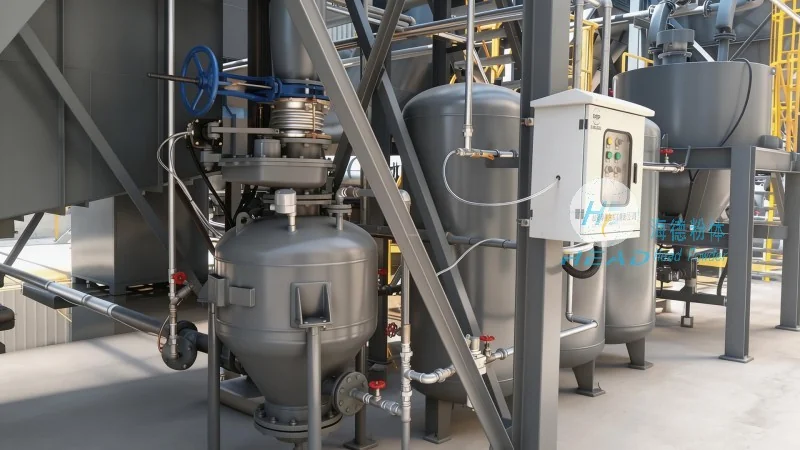
A pneumatic conveying system for solid powder materials is a technology that enables the transport of dry, granular, or powdered substances through a pipeline using pressurized air or vacuum. The system typically consists of a hopper for material storage, a conveying line, and a receiver for the discharged material. The primary advantage of this method lies in its ability to handle materials that are difficult to move by other means, such as those with high moisture content, abrasive properties, or those that are prone to caking. By using air as the medium, the system minimizes the risk of material degradation and contamination, making it suitable for a wide range of applications, including pharmaceuticals, food processing, chemical manufacturing, and mineral processing.
Key Design Principles for Pneumatic Conveying Systems
The design of a pneumatic conveying system for solid powder materials involves several critical principles that ensure optimal performance, efficiency, and reliability. These principles include:
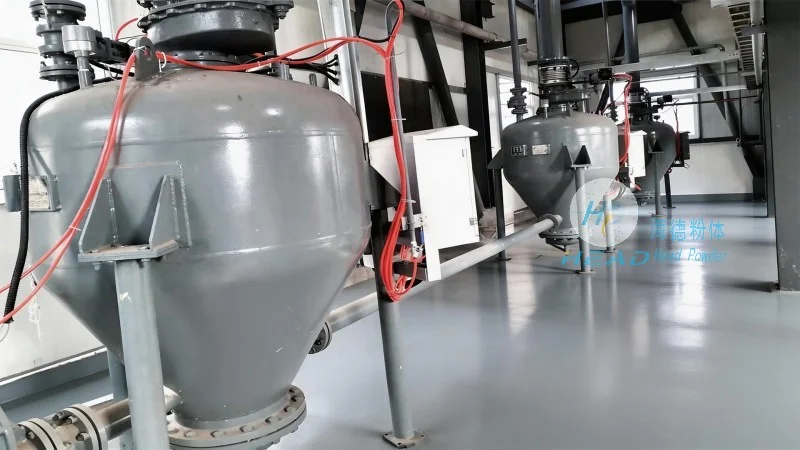
- Flow Rate and Velocity: The velocity of the air within the conveying line must be sufficient to keep the powder particles suspended and prevent deposition or blockage. The flow rate is determined by the material's properties, such as particle size, density, and flowability, as well as the system's pressure and vacuum levels.
- System Pressure and Vacuum: The pressure or vacuum applied to the system dictates the conveying capacity and the distance over which materials can be transported. Positive pressure systems are commonly used for short to medium distances, while vacuum systems are preferred for longer distances or when the material needs to be drawn from a source.
- Material Characteristics: The design must account for the specific properties of the powder, including particle size distribution, density, moisture content, and cohesive behavior. These factors influence the choice of conveying method (e.g., dilute phase vs. dense phase) and the necessary equipment, such as cyclones, filters, and separation devices.
- Equipment Selection: Proper selection of components like hoppers, feeders, conveying lines, and receivers is essential. Hoppers with appropriate hopper angles and discharge mechanisms prevent material bridging, while feeders ensure a consistent flow rate. The material of construction for the conveying line and components must be compatible with the conveyed material to avoid corrosion or contamination.
- System Integration and Control: Modern pneumatic conveying systems often incorporate advanced control systems to monitor and adjust parameters such as pressure, flow rate, and temperature in real-time. This integration enhances system efficiency, reduces downtime, and ensures consistent material handling performance.
Applications and Benefits of Pneumatic Conveying Systems
Pneumatic conveying systems are widely used across various industries due to their versatility and efficiency. Some common applications include:
- Pharmaceutical and Food Industries: These sectors require strict hygiene and contamination control. Pneumatic conveying systems provide a clean, enclosed environment that prevents cross-contamination and maintains product integrity.
- Chemical Manufacturing: Handling hazardous or reactive powders safely is critical. The enclosed nature of pneumatic systems minimizes exposure risks and allows for controlled material transfer.
- Mineral Processing: In mining operations, pneumatic conveying is used to transport raw materials and finished products over long distances with minimal maintenance.
- Industrial Manufacturing: From cement to plastics, many manufacturing processes rely on efficient material handling. Pneumatic systems offer flexibility in layout and the ability to integrate with existing production lines.
The benefits of using pneumatic conveying systems extend beyond just material transport. They include reduced labor costs, lower energy consumption compared to some mechanical systems, and the ability to handle materials that are difficult to move by other means. Additionally, the enclosed design helps maintain a controlled environment, which is essential for industries where product quality and safety are paramount.
Role of Shandong HeadPowder Engineering Co., Ltd. in Pneumatic Conveying Systems
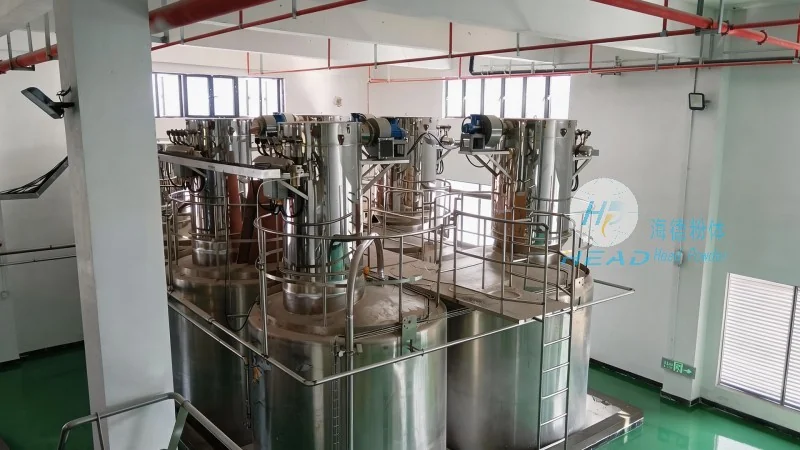
Shandong HeadPowder Engineering Co., Ltd., operating under the brand name headpowder, is a prominent player in the design, manufacturing, and installation of pneumatic conveying systems for solid powder materials. With a strong presence in China, particularly in Shandong, the company leverages its expertise and experience to deliver customized solutions tailored to the specific needs of clients. The company's team of engineers and technicians work closely with clients to understand their material handling challenges and develop systems that meet their operational requirements, ensuring optimal performance and reliability.
HeadPowder's commitment to quality and innovation is reflected in its use of advanced design software and rigorous testing protocols. The company adheres to industry standards and best practices, ensuring that its systems are not only efficient but also safe and compliant with regulatory requirements. By partnering with headpowder, clients gain access to a comprehensive range of services, from initial consultation and system design to installation, commissioning, and ongoing maintenance support.