

What is a Ammonium Bicarbonate Material Pneumatic Conveying System? What are its Design Principles?
Ammonium bicarbonate, a widely used chemical in various industrial applications, often requires efficient and reliable material handling solutions. The pneumatic conveying system for ammonium bicarbonate is a specialized equipment designed to transport this material from one location to another within industrial processes. This system utilizes air or other gas streams to move the material through pipelines, offering advantages such as reduced dust generation, improved safety, and enhanced process control. Understanding the components and design principles of such a system is crucial for optimizing material handling in ammonium bicarbonate processing operations.
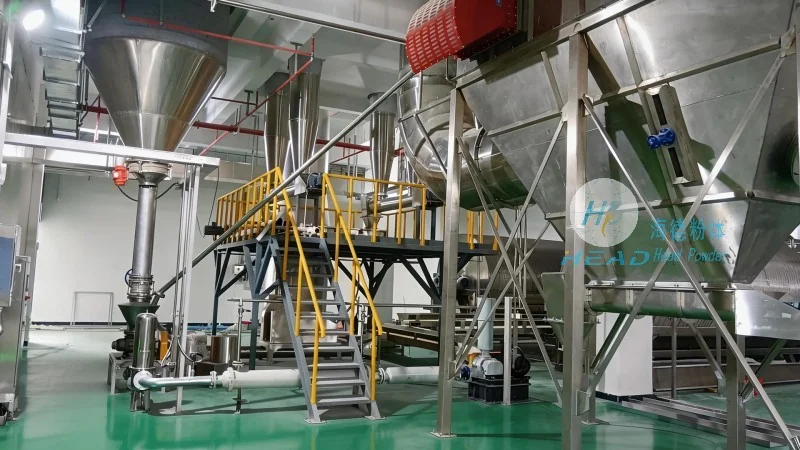
About HeadPowder Engineering
HeadPowder, or Shandong HeadPowder Engineering Co., Ltd., is a leading provider of engineering solutions for material handling and processing equipment. With a strong presence in China, particularly in Shandong province, the company specializes in designing and manufacturing customized pneumatic conveying systems tailored to the unique needs of various industries, including chemical processing, food, and pharmaceutical sectors. The company's expertise lies in developing efficient and reliable systems that ensure safe and effective transportation of materials like ammonium bicarbonate, adhering to industry standards and regulatory requirements.
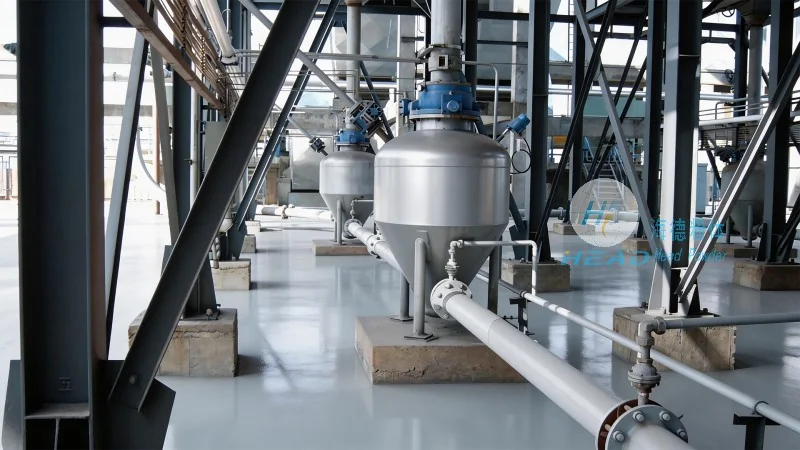
Design Principles of Ammonium Bicarbonate Pneumatic Conveying Systems
The design of an ammonium bicarbonate pneumatic conveying system involves several key principles aimed at ensuring optimal performance and safety. The system typically consists of a hopper for material storage, a feeder to control the flow rate, a conveying line with appropriate diameter and length, and a receiver for the material at the destination. The selection of the conveying method—whether dilute phase or dense phase—depends on factors such as material properties, distance, and desired flow rates. For ammonium bicarbonate, which is a fine powder with specific handling characteristics, a dilute phase system is often preferred due to its ability to handle high flow rates and minimize pressure drop. The system also incorporates components like air filters, cyclones for separation, and pressure regulators to maintain consistent air pressure and prevent material blockages. The design process considers factors like material density, particle size distribution, and moisture content to ensure the system operates efficiently without causing wear and tear on components.
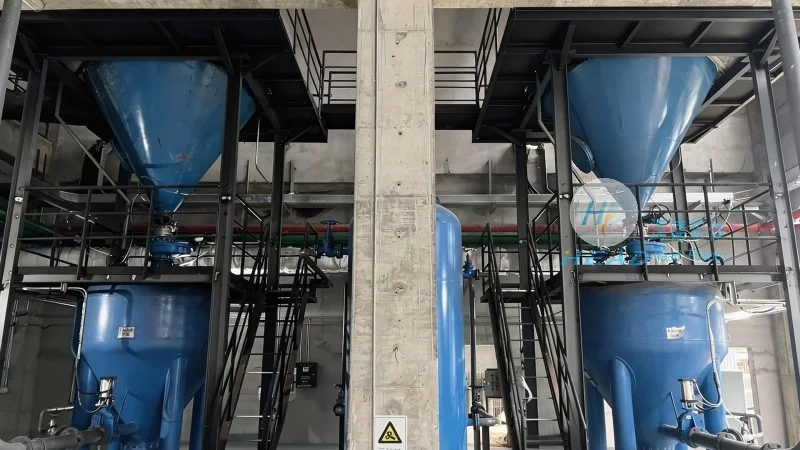
Advantages of Using Pneumatic Conveying for Ammonium Bicarbonate
Implementing a pneumatic conveying system for ammonium bicarbonate offers numerous benefits that enhance operational efficiency and safety. One of the primary advantages is the reduction of dust exposure, as the material is transported within enclosed pipelines, minimizing the risk of inhalation or environmental contamination. This is particularly important for ammonium bicarbonate, which can be a respiratory irritant if inhaled in large quantities. Additionally, the system allows for continuous and automated material handling, reducing manual labor and improving process consistency. The enclosed nature of the system also prevents material loss and contamination from external sources, ensuring product quality and purity. Furthermore, pneumatic conveying systems can be integrated with other processing equipment, such as reactors or mixers, to create a seamless production line. The flexibility of these systems enables easy adjustment of flow rates and material handling routes, adapting to changes in production demands. Overall, the use of a pneumatic conveying system for ammonium bicarbonate contributes to a safer, more efficient, and cost-effective material handling solution.
Applications and Industries Utilizing Ammonium Bicarbonate Pneumatic Conveying
Ammonium bicarbonate pneumatic conveying systems are widely used in various industries where this chemical is processed or utilized. In the chemical industry, these systems are employed in the production of fertilizers, where ammonium bicarbonate is used as a nitrogen source. The system efficiently transports the material from storage silos to reactors or mixing equipment, ensuring a steady supply for production. In the food industry, ammonium bicarbonate is used as a leavening agent in baking, and the pneumatic conveying system helps in transporting it from storage to mixing machines or ovens. The pharmaceutical industry also utilizes ammonium bicarbonate in certain formulations, and the system ensures safe and hygienic handling of the material. Other applications include the use of ammonium bicarbonate in fire extinguishing agents and as a buffering agent in various chemical processes. The versatility of the pneumatic conveying system makes it suitable for these diverse applications, providing a reliable solution for material transport in each case.
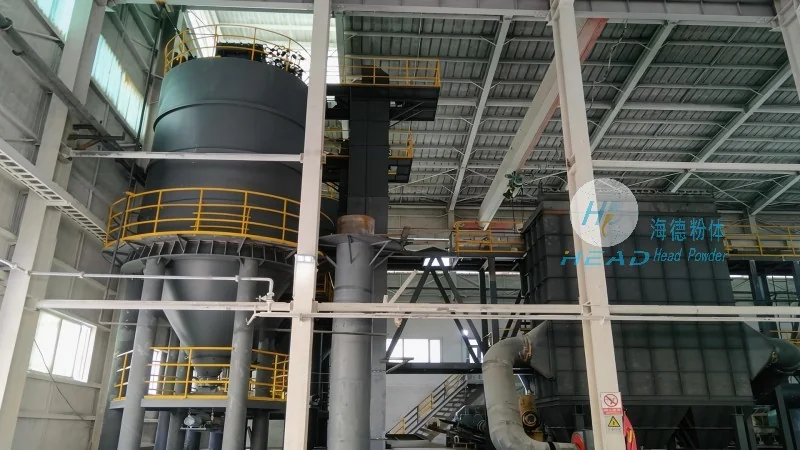
Maintenance and Safety Considerations for Ammonium Bicarbonate Pneumatic Conveying Systems
Proper maintenance and adherence to safety protocols are essential for the long-term performance and safety of ammonium bicarbonate pneumatic conveying systems. Regular maintenance tasks include checking and cleaning air filters to prevent clogging, inspecting pipelines for signs of wear or damage, and ensuring the feeder and hopper are free from material buildup. The system components, such as cyclones and receivers, should be inspected periodically to ensure they are functioning correctly and not causing material accumulation. Safety considerations are paramount due to the nature of ammonium bicarbonate, which can be hazardous if not handled properly. The system should be equipped with safety features like pressure relief valves, emergency shut-off valves, and dust extraction systems to prevent accidents. Personnel operating the system should be trained on proper handling procedures and emergency response protocols. Additionally, the system should be designed to comply with local regulations and industry standards regarding material handling and safety. By following these maintenance and safety guidelines, the system can operate efficiently and safely, minimizing downtime and ensuring the well-being of personnel.