

What is a Desulfurization Gypsum Material Pneumatic Conveying System? What Are Its Design Principles
Desulfurization gypsum, a byproduct of flue gas desulfurization in power plants, is widely used in construction materials such as gypsum boards and cement. The efficient transportation of this material is crucial for industrial processes, and pneumatic conveying systems have emerged as a key solution. This article explores the concept of a desulfurization gypsum material pneumatic conveying system and delves into its design principles, highlighting the technical aspects and operational efficiency.
Understanding Desulfurization Gypsum and Its Transportation Needs
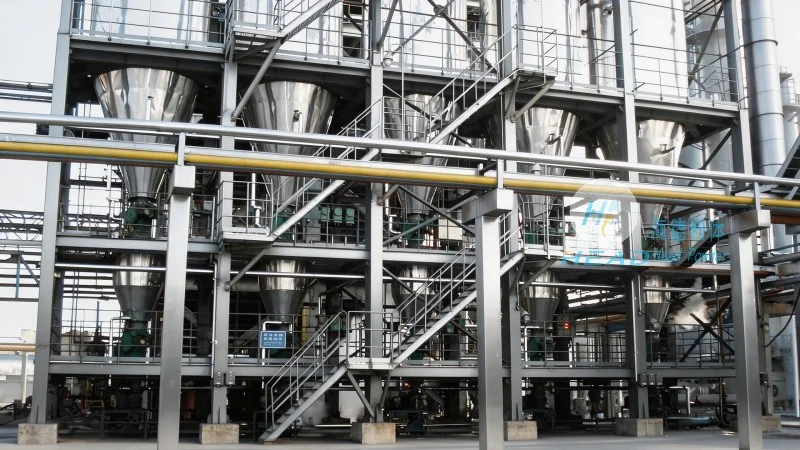
Desulfurization gypsum, also known as FGD gypsum, is a fine powder generated from the removal of sulfur dioxide from flue gases. Its properties, including high moisture content and fine particle size, make traditional bulk handling methods less effective. Pneumatic conveying systems offer a solution by using air to transport the material, ensuring minimal dust, reduced contamination, and improved process control. The system's design must consider the material's characteristics, such as flowability, moisture content, and particle size distribution, to optimize performance.
The Core Components of a Pneumatic Conveying System for Desulfurization Gypsum
A typical pneumatic conveying system for desulfurization gypsum consists of several key components that work in tandem to achieve efficient material transport. These components include a material feeder, a conveying line (either positive or negative pressure), a separator, and a collection hopper. The material feeder is responsible for feeding the gypsum into the system, ensuring a consistent flow rate. The conveying line, which can operate under positive or negative pressure, moves the material through the system. The separator then separates the material from the air, and the collection hopper stores the processed gypsum for further use. Each component plays a critical role in maintaining the system's efficiency and reliability.
Design Principles for Optimal Performance
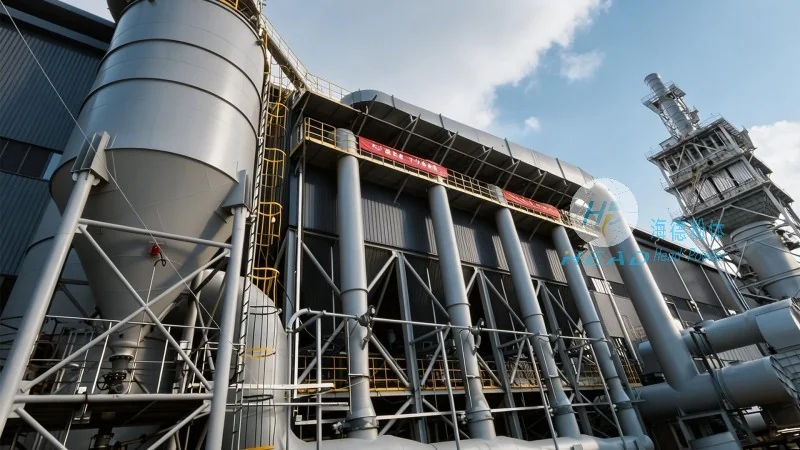
The design of a desulfurization gypsum pneumatic conveying system follows several key principles to ensure optimal performance. First, the system must be tailored to the specific properties of the gypsum, including its moisture content and particle size. This involves selecting appropriate equipment, such as high-capacity feeders and efficient separators, to handle the material's characteristics. Second, the system's layout must minimize pressure losses and ensure smooth material flow. This includes optimizing the conveying line's length, diameter, and bends to reduce energy consumption and prevent blockages. Third, the system must incorporate safety features to protect against dust explosions and other hazards, ensuring compliance with industrial safety standards. Finally, the design must consider operational flexibility, allowing for adjustments in flow rate and material handling to meet varying production demands.
Advantages of Pneumatic Conveying Systems in Gypsum Handling
Pneumatic conveying systems offer several advantages over traditional bulk handling methods for desulfurization gypsum. These advantages include reduced labor costs, as the system automates the material transport process, and improved product quality, as the material is less exposed to contamination. The systems also provide better process control, allowing for precise adjustment of flow rates and moisture content. Additionally, pneumatic conveying reduces the risk of dust exposure for workers, enhancing workplace safety. These benefits make pneumatic conveying systems a preferred choice for industrial applications, particularly in the construction materials sector.
Case Study: Application in a Power Plant's Gypsum Handling Process
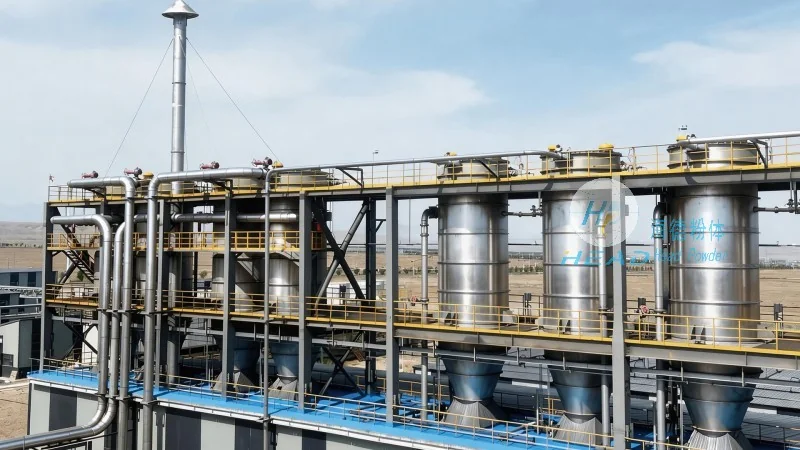
Shandong HeadPowder Engineering Co., Ltd., a leading provider of material handling solutions, has successfully implemented a pneumatic conveying system for a power plant's desulfurization gypsum handling. The system was designed to transport 100 tons of gypsum per hour, with a moisture content of 10% and a particle size of 100 microns. The system's components, including a rotary feeder, a positive pressure conveying line, and a cyclone separator, were selected based on the material's properties. The system's performance was evaluated over a six-month period, showing a 15% reduction in energy consumption compared to traditional methods and a 20% increase in material throughput. The success of this project highlights the effectiveness of pneumatic conveying systems in optimizing gypsum handling processes.
Conclusion and Future Outlook
Desulfurization gypsum material pneumatic conveying systems are essential for efficient and safe handling of this critical industrial material. The design principles, including tailored equipment selection, optimized system layout, and safety considerations, ensure that the system operates at peak efficiency. As the demand for construction materials continues to grow, the importance of reliable material handling systems will only increase. Companies like Shandong HeadPowder Engineering Co., Ltd. play a vital role in providing advanced solutions that meet the evolving needs of the industry, ensuring sustainable and efficient gypsum processing.