

What is a Magnesium Sulfate Heptahydrate Material Pneumatic Conveying System? And What Are Its Desig
When it comes to efficiently transporting magnesium sulfate heptahydrate, a specialized system known as a pneumatic conveying system is often employed. This technology offers a reliable and effective method for moving this material, which is widely used in various industrial applications. Understanding the components and design principles of such a system is crucial for optimizing material handling processes.
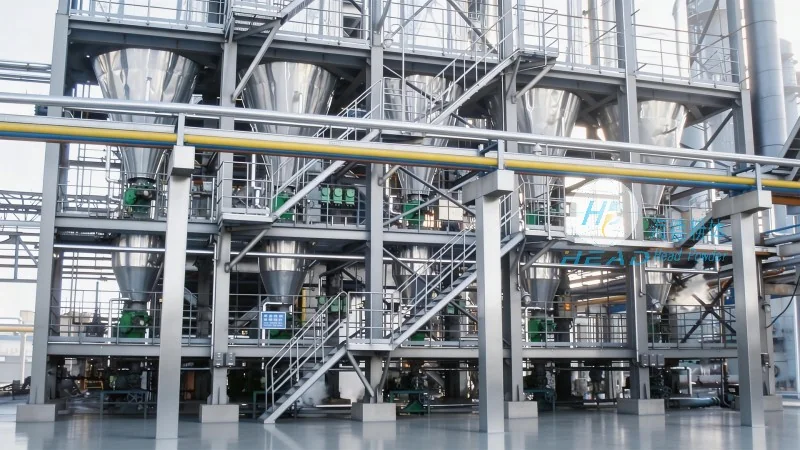
Understanding Magnesium Sulfate Heptahydrate and Its Handling Requirements
Magnesium sulfate heptahydrate, commonly known as Epsom salt, is a white crystalline powder with the chemical formula MgSO₄·7H₂O. It is widely used in pharmaceuticals, agriculture, and chemical industries due to its versatile properties. The material's hygroscopic nature and fine particle size make it challenging to handle using traditional methods like belt conveyors or bucket elevators. Pneumatic conveying systems provide a solution by using air to transport the material, minimizing dust and ensuring a clean, efficient transfer.
The Core Components of a Pneumatic Conveying System for Magnesium Sulfate Heptahydrate
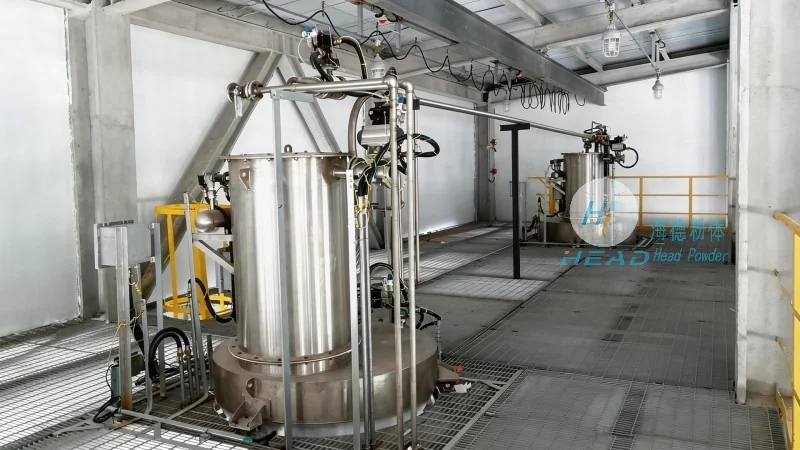
A pneumatic conveying system for magnesium sulfate heptahydrate typically consists of several key components that work in tandem to ensure smooth operation. The primary components include a hopper or feeder to supply the material, a blower or compressor to generate the air flow, a pipeline system to transport the material, and a receiver or discharge unit to collect the material at the destination. Each component plays a critical role in maintaining the system's efficiency and reliability.
Design Principles for Optimal Performance
The design of a pneumatic conveying system for magnesium sulfate heptahydrate must consider several factors to ensure optimal performance. The system's design must account for the material's properties, such as its particle size distribution, moisture content, and flow characteristics. The air velocity within the pipeline is a critical parameter, as it must be sufficient to lift and transport the material without causing excessive wear on the system components. Additionally, the system's pressure and flow rate must be carefully controlled to prevent material degradation or blockages. Proper sizing of the hopper and feeder is also essential to maintain a consistent material flow and prevent clogging.
HeadPowder's Expertise in Designing Pneumatic Conveying Systems
Shandong HeadPowder Engineering Co., Ltd., a leading provider of material handling solutions, specializes in designing and manufacturing pneumatic conveying systems tailored to the unique needs of magnesium sulfate heptahydrate. With years of experience in the industry, HeadPowder has developed a deep understanding of the material's handling challenges and has refined its design principles to deliver efficient, reliable, and cost-effective solutions. The company's team of engineers works closely with clients to assess their specific requirements and develop customized systems that meet their operational needs.
Key Features and Benefits of the System
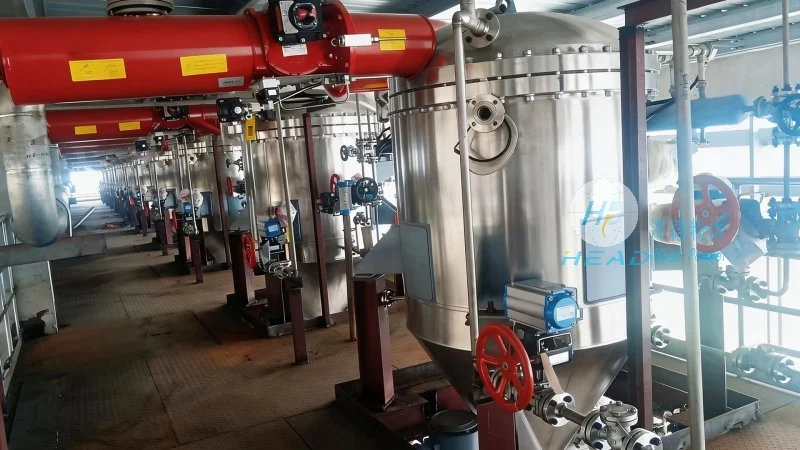
The pneumatic conveying system designed by HeadPowder for magnesium sulfate heptahydrate offers several key features and benefits. The system is designed to minimize dust generation, which is crucial for maintaining a clean and safe working environment. The use of air as the conveying medium reduces the risk of material contamination and ensures a hygienic transfer process. Additionally, the system's compact design allows for easy integration into existing facilities, minimizing installation time and costs. The system's high efficiency and low maintenance requirements make it a cost-effective solution for long-term material handling needs.
Applications and Industries Served
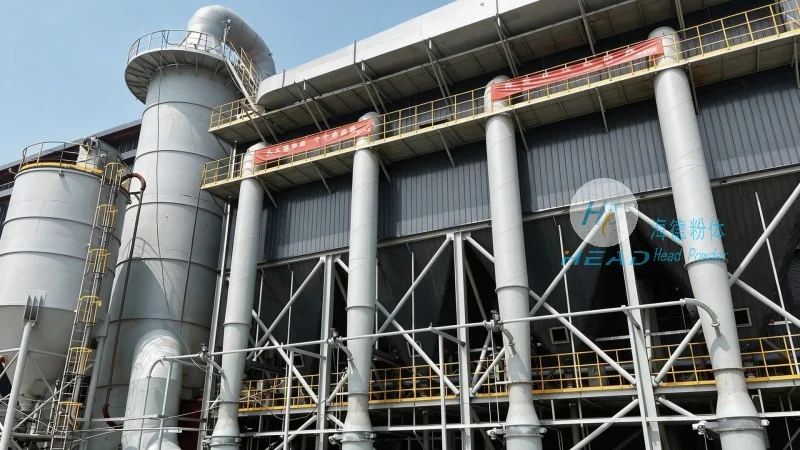
The pneumatic conveying system for magnesium sulfate heptahydrate is widely used in various industries, including pharmaceuticals, agriculture, and chemical manufacturing. In the pharmaceutical industry, the system is used to transport raw materials and finished products, ensuring a clean and efficient process. In agriculture, the system is used to handle fertilizers and other agricultural chemicals, improving the efficiency of farm operations. In the chemical industry, the system is used to transport various chemicals, including magnesium sulfate, ensuring a safe and reliable transfer process.
Conclusion
In conclusion, a pneumatic conveying system is an effective solution for transporting magnesium sulfate heptahydrate, offering a reliable and efficient method for material handling. The design principles of such a system must account for the material's properties and the specific requirements of the application. With its expertise in material handling solutions, Shandong HeadPowder Engineering Co., Ltd. provides customized systems that meet the unique needs of its clients, ensuring optimal performance and cost-effectiveness.