

What is a Compound Fertilizer Material Pneumatic Conveying Line? And What Are Its Design Principles?
For industries dealing with the handling and transportation of compound fertilizers, efficient and reliable material conveying systems are crucial. A compound fertilizer material pneumatic conveying line is a specialized system designed to transport bulk solid materials, such as various types of fertilizers, through a pipeline using air or gas as the conveying medium. This technology offers significant advantages over traditional mechanical conveying methods, including reduced equipment wear, lower energy consumption, and enhanced safety in handling potentially dusty or hazardous materials. The core of this system lies in its design, which integrates several key components to ensure optimal performance and durability.
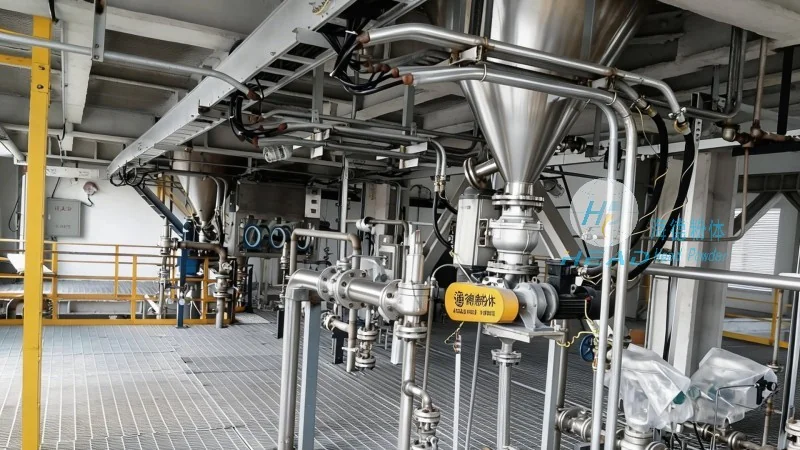
Key Components of a Compound Fertilizer Pneumatic Conveying System
The design of a compound fertilizer material pneumatic conveying line typically involves a combination of components that work in harmony to achieve the desired material transport. At the heart of the system is the conveying pipeline, which serves as the main channel for transporting the fertilizer. This pipeline is usually made from materials resistant to corrosion and abrasion, such as stainless steel or special plastic composites, to withstand the chemical and physical properties of the fertilizer. The pipeline is equipped with various fittings, including elbows, tees, and bends, which are strategically placed to guide the material flow and maintain consistent pressure and velocity within the system.
Another critical component is the feeding device, which is responsible for introducing the fertilizer into the pipeline. Common feeding methods include rotary valves, screw feeders, or pneumatic feeders, each chosen based on the specific characteristics of the fertilizer, such as its bulk density, flowability, and moisture content. The feeding device ensures a controlled and continuous supply of material, preventing blockages and maintaining system efficiency. Additionally, the system includes air movers, such as blowers or fans, which generate the necessary airflow to propel the fertilizer through the pipeline. These air movers are selected based on the required pressure and flow rate, ensuring that the material is conveyed at the desired speed without excessive energy consumption.
The Role of Design Principles in Ensuring System Performance
The design principles of a compound fertilizer material pneumatic conveying line are fundamental to its effectiveness and longevity. One of the primary design considerations is the air-to-solid ratio, which refers to the proportion of air to fertilizer in the conveying process. This ratio is carefully calculated to ensure that the material is fully suspended and transported efficiently. An optimal air-to-solid ratio minimizes the risk of material deposition or blockages in the pipeline, while also reducing the energy required to move the material. The design also takes into account the system pressure and velocity of the conveying air. Proper pressure and velocity levels are essential to maintain the material in a suspended state and prevent excessive wear on the pipeline and other components.
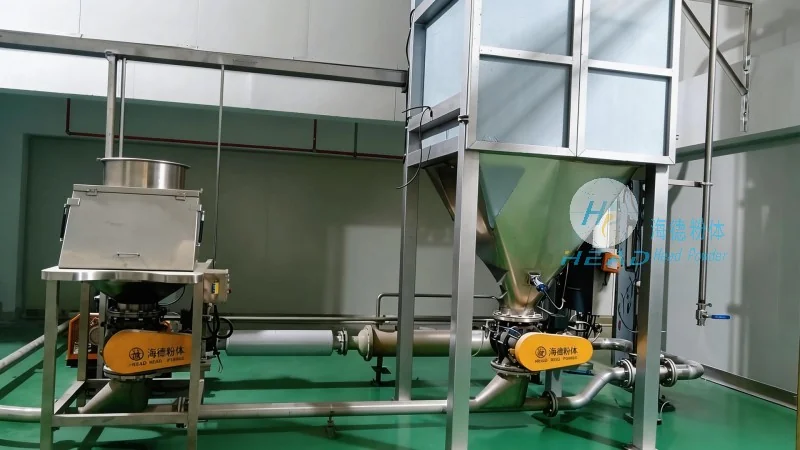
Furthermore, the design incorporates material handling considerations to address the unique properties of compound fertilizers. For example, some fertilizers may be hygroscopic or prone to caking, which can affect their flowability and cause blockages. The system is designed with features such as agitators or vibration devices to prevent caking and ensure smooth material flow. Additionally, the design includes filtering and dust control systems to manage the dust generated during the conveying process. These systems help maintain air quality and protect the equipment from dust accumulation, ensuring the longevity of the system and compliance with environmental regulations.
Applications and Benefits of Compound Fertilizer Pneumatic Conveying Lines
Compound fertilizer material pneumatic conveying lines are widely used in various stages of the fertilizer production and handling process. They are commonly employed in raw material handling, where bulk raw materials like urea, ammonium nitrate, or phosphate rock are transported from storage silos to processing facilities. The system also plays a crucial role in product blending and packaging, where different fertilizer components are mixed and conveyed to packaging lines. Additionally, these systems are used in waste management and recycling applications, where spent or unused fertilizer is collected and transported for reuse or disposal.
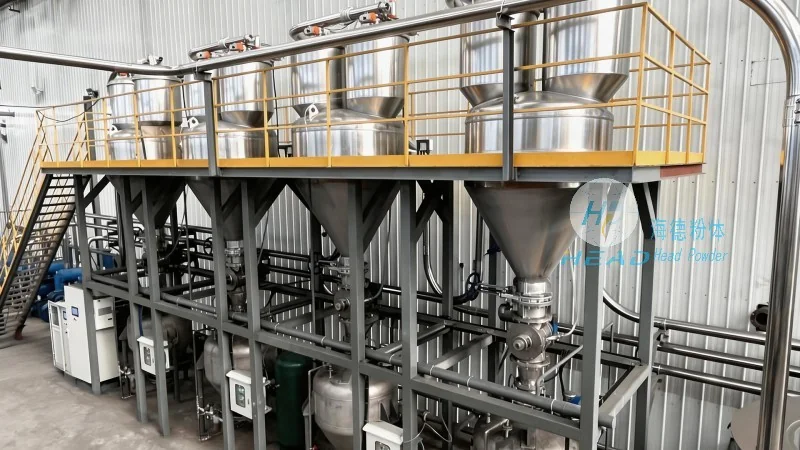
The benefits of using a compound fertilizer material pneumatic conveying line extend beyond just efficient material transport. The system offers significant advantages in terms of space efficiency, as it requires less floor space compared to traditional mechanical conveying systems. This is particularly beneficial in facilities with limited space or where vertical space is available for installation. The system also provides flexibility in terms of layout, as the pipeline can be configured to follow the existing facility layout or be installed in new configurations. Furthermore, the system is low maintenance, as it has fewer moving parts compared to mechanical conveyors, reducing the need for regular maintenance and repairs.
Conclusion: The Importance of Proper Design and Implementation
In conclusion, a compound fertilizer material pneumatic conveying line is a sophisticated system that combines advanced engineering principles with practical application to ensure efficient and reliable material transport. The design of such a system involves careful consideration of various factors, including the material properties, system requirements, and operational conditions. By integrating key components such as the conveying pipeline, feeding device, air movers, and control systems, the system can achieve optimal performance and durability. The benefits of using this technology include improved efficiency, reduced energy consumption, enhanced safety, and increased flexibility in handling compound fertilizers. For companies operating in the fertilizer industry, investing in a well-designed pneumatic conveying line is a strategic decision that can lead to long-term operational advantages and cost savings.
Shandong HeadPowder Engineering Co., Ltd., a leading manufacturer of material handling equipment, specializes in designing and manufacturing high-quality compound fertilizer material pneumatic conveying lines. With years of experience and a commitment to innovation, HeadPowder provides customized solutions tailored to the specific needs of its clients. The company's products are known for their durability, efficiency, and reliability, making them a trusted choice for fertilizer manufacturers and handlers worldwide. Located in Shandong, China, HeadPowder serves clients globally, delivering solutions that meet the highest standards of quality and performance.