

Working Principle and Features of Foundry Sand Pneumatic Conveying Systems
Foundry sand, a critical material in the casting industry, requires efficient and reliable handling systems to ensure smooth production processes. The pneumatic conveying system for foundry sand offers a solution that combines advanced technology with practical application, addressing the unique challenges of sand transport in foundry operations. This article delves into the working principle and key features of such systems, providing a comprehensive overview for industry professionals seeking to understand or implement these technologies.
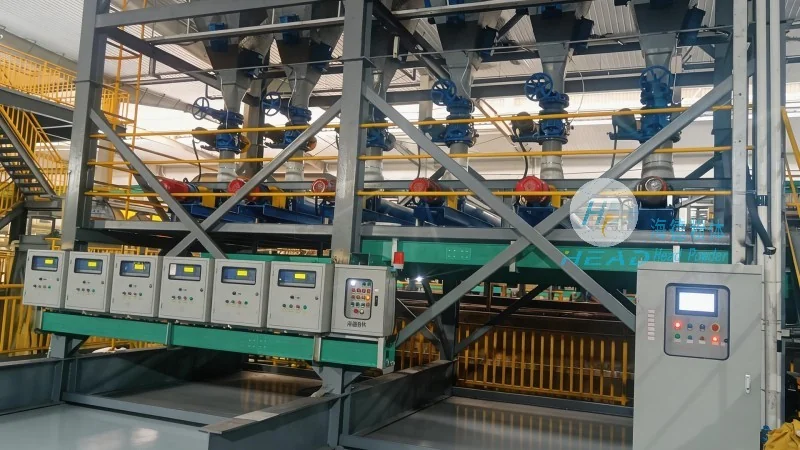
Working Principle of Foundry Sand Pneumatic Conveying Systems
The core of a foundry sand pneumatic conveying system lies in its ability to transport bulk materials like foundry sand through a pipeline using compressed air. The system typically operates on the principle of air-assisted transport, where the sand is suspended and carried by the air flow within the pipeline. There are two main types of pneumatic conveying systems used for foundry sand: dilute-phase and dense-phase systems. Dilute-phase systems use higher air velocities to keep the sand particles suspended, while dense-phase systems employ lower velocities to create a more compact flow, reducing wear on the system components.
In a typical dilute-phase system, the foundry sand is fed into a hopper or feeder, where it is mixed with compressed air. The air-sand mixture is then introduced into the pipeline, where the air velocity is maintained above the minimum fluidization velocity to keep the sand particles in suspension. The system includes components such as a blower or compressor to generate the necessary air pressure, a filter to separate the sand from the air at the discharge end, and a control system to regulate the flow rate and pressure. The working principle is based on the balance between the air flow rate and the sand feed rate, ensuring that the sand is transported efficiently without clogging or excessive wear on the equipment.
Key Features of Foundry Sand Pneumatic Conveying Systems
Foundry sand pneumatic conveying systems are designed with several key features that enhance their performance and reliability in industrial settings. One of the primary features is the ability to handle abrasive materials like foundry sand, which can cause wear on traditional conveyor systems. The system's components, such as the pipeline and fittings, are often made from materials with high wear resistance, such as stainless steel or special alloys, to extend the service life of the equipment.
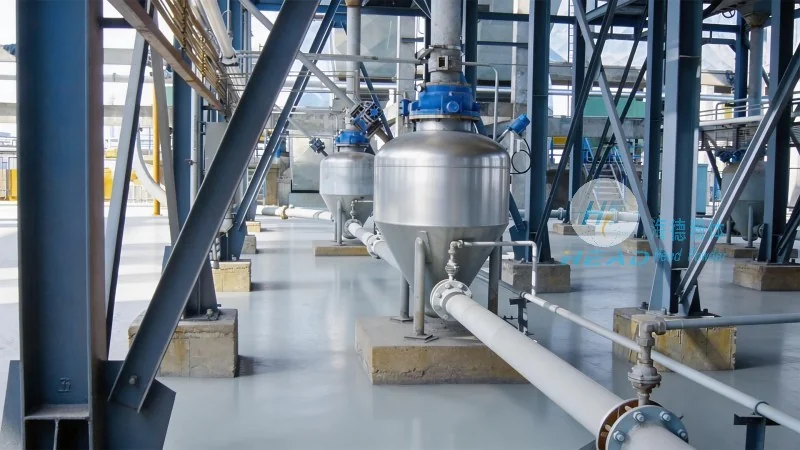
Another important feature is the system's flexibility in terms of layout and installation. Pneumatic conveying systems can be configured in various configurations, including straight-line, loop, or vertical transport, to suit the specific layout of a foundry facility. This flexibility allows for the integration of the system into existing production lines without major modifications, reducing installation time and costs.
The control and monitoring features of these systems are also significant. Modern pneumatic conveying systems are equipped with advanced control panels that allow operators to adjust the air pressure, flow rate, and sand feed rate in real-time. Sensors and indicators are used to monitor the system's performance, detecting any issues such as blockages or pressure drops that could affect the transport process. This level of control ensures consistent and reliable operation, minimizing downtime and maintenance needs.
Advantages and Applications in Foundry Operations
The adoption of foundry sand pneumatic conveying systems brings several advantages to foundry operations. Firstly, they offer a dust-free and clean transport method, which is crucial for maintaining a safe and healthy working environment in foundry plants. Unlike traditional belt or bucket elevators, pneumatic systems do not generate dust, reducing the risk of respiratory issues among workers and minimizing the need for dust control measures.
Secondly, these systems provide a high degree of automation, reducing the need for manual labor in the sand handling process. The automated control systems can adjust the transport parameters based on real-time conditions, ensuring optimal performance and energy efficiency. This automation also improves the overall productivity of the foundry, as the sand can be transported quickly and reliably to the required locations, such as the molding or casting stations.
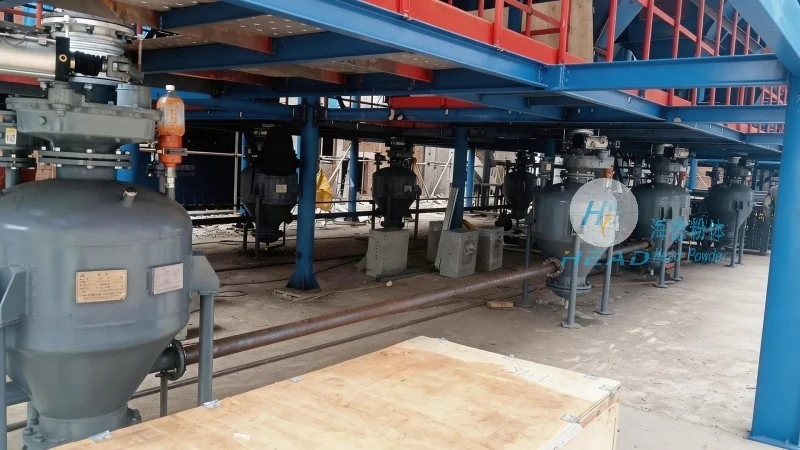
Thirdly, the systems are highly adaptable to different types of foundry sand, including green sand, dry sand, and other abrasive materials. This adaptability makes them suitable for a wide range of foundry applications, from small-scale foundries to large industrial facilities. The ability to handle various sand types without significant modifications to the system makes them a versatile solution for foundry sand transport needs.
Conclusion and Company Overview
Foundry sand pneumatic conveying systems represent a sophisticated and efficient solution for the transport of bulk materials in foundry operations. By understanding the working principle and key features of these systems, foundry owners and engineers can make informed decisions about implementing such technologies to improve their production processes. The systems offer advantages in terms of dust control, automation, and adaptability, making them a valuable asset for modern foundry operations.
Shandong HeadPowder Engineering Co., Ltd., a leading manufacturer in the field, specializes in the design, manufacturing, and supply of high-quality pneumatic conveying systems for foundry applications. With a strong commitment to quality and innovation, the company provides customized solutions tailored to the specific needs of its clients. HeadPowder's systems are engineered to meet the demanding requirements of foundry operations, ensuring reliable and efficient sand transport. The company's headquarters is located in Shandong, China, where it leverages its expertise and resources to deliver cutting-edge solutions to the global foundry industry.