

Working Principle and Features of Gypsum Powder and Dust Pneumatic Conveying Systems
HeadPowder, a leading manufacturer based in Shandong, China, specializes in advanced pneumatic conveying systems designed for handling gypsum powder and dust. This article explores the fundamental working principles and key characteristics of such systems, providing a comprehensive overview for industry professionals seeking efficient material transport solutions.
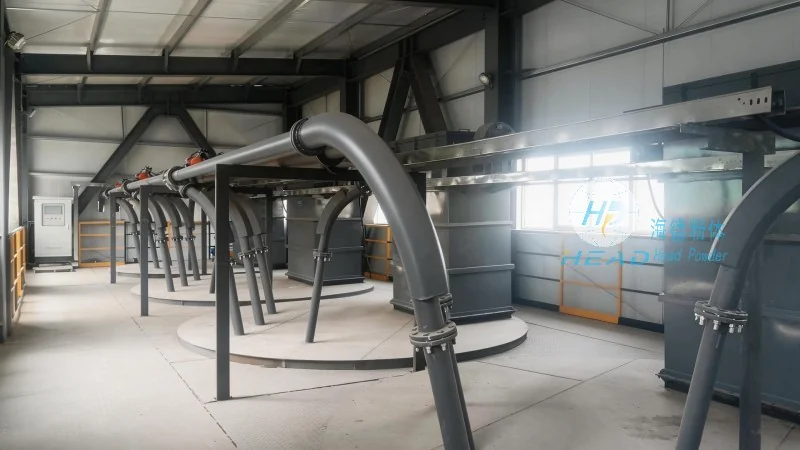
Understanding the Working Principle of Gypsum Powder and Dust Pneumatic Conveying Systems
The core mechanism of a gypsum powder and dust pneumatic conveying system involves the use of air as the primary medium to transport dry, fine materials like gypsum powder. The system typically operates on the principle of creating a pressure differential between the material source and the destination. Air is introduced into the system, often through a blower or compressor, which generates the necessary airflow to move the material. The gypsum powder is then drawn into the air stream and carried through the pipeline to the desired location. This process eliminates the need for mechanical components like belts or buckets, reducing maintenance and operational costs.
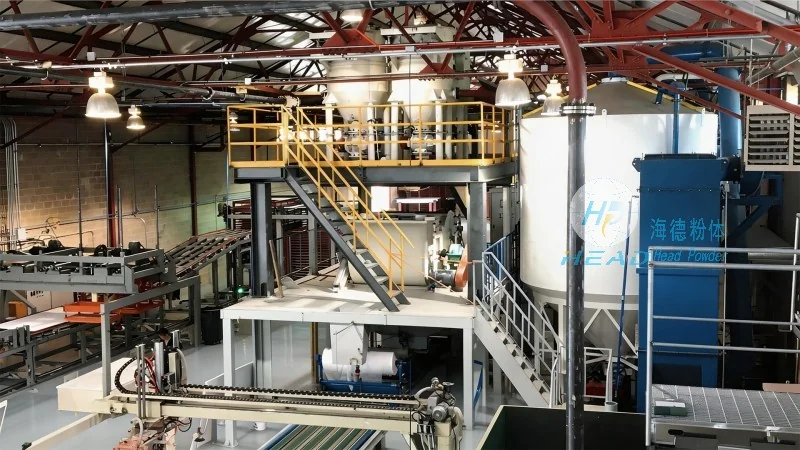
Key Features of Gypsum Powder and Dust Pneumatic Conveying Systems
One of the most significant advantages of pneumatic conveying systems for gypsum powder is their ability to handle fine, dusty materials without clogging or degradation. The design of the system, including the choice of pipeline materials and the configuration of the air flow, is optimized to prevent material buildup and ensure consistent performance. Additionally, these systems offer high efficiency in terms of material transport speed and capacity, making them suitable for large-scale industrial applications. Another key feature is the flexibility in system layout, as the pipelines can be arranged in various configurations to suit different plant layouts and operational requirements. The systems also provide a hygienic and enclosed transport environment, which is crucial for maintaining the quality of gypsum products and preventing dust contamination in the workplace.
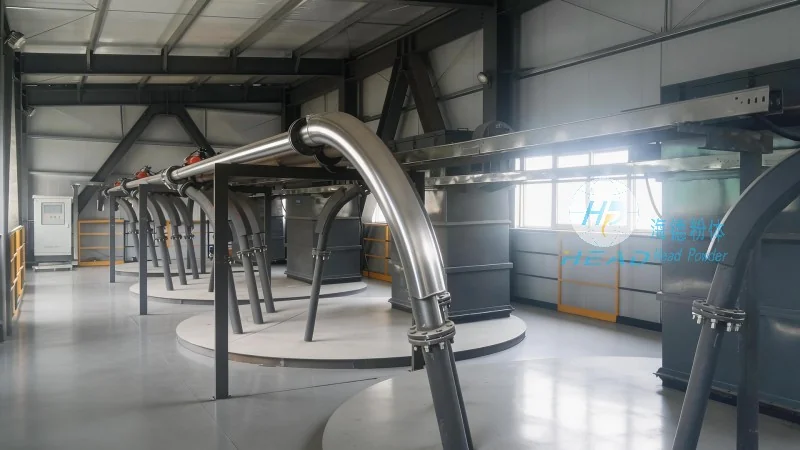
System Components and Their Roles
A typical gypsum powder and dust pneumatic conveying system consists of several critical components, each playing a vital role in the overall operation. The main components include a material feeder, which accurately controls the flow of gypsum powder into the system; a blower or air compressor, which generates the necessary airflow; a pipeline network that transports the material; and a receiver or discharge unit where the material is collected. The material feeder is designed to handle the specific characteristics of gypsum powder, such as its fine particle size and potential stickiness, ensuring consistent feeding rates. The blower or compressor provides the pressure and airflow required to move the material through the pipeline. The pipeline network is constructed from materials like stainless steel or plastic, chosen for their resistance to corrosion and wear from the gypsum powder. The receiver or discharge unit is equipped with a filter or dust collection system to prevent air leakage and maintain a clean working environment.
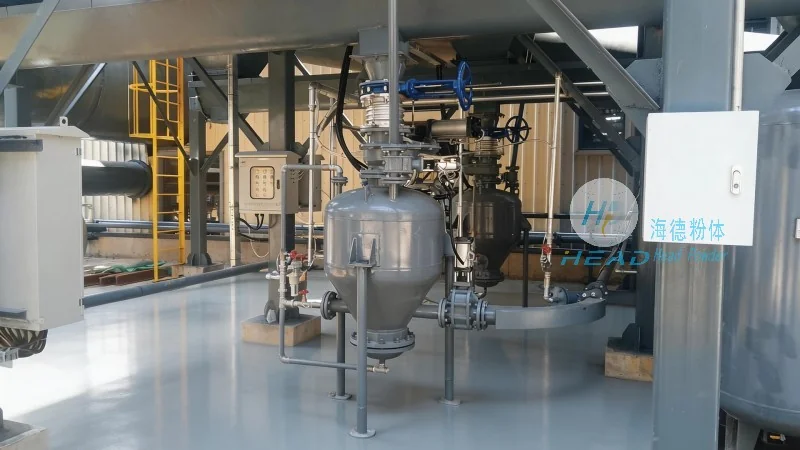
Advantages and Applications in Industrial Settings
Pneumatic conveying systems for gypsum powder offer numerous advantages over traditional mechanical transport methods. These systems are highly efficient in terms of energy consumption and operational speed, as they can transport large volumes of material quickly and with minimal downtime. The enclosed design of the system also reduces dust emissions, improving workplace safety and compliance with environmental regulations. Additionally, the systems are versatile and can be adapted to various industrial applications, including the production of gypsum board, plaster, and other building materials. The ability to handle fine, dusty materials without degradation makes these systems ideal for processes where material quality is critical. Furthermore, the reduced maintenance requirements compared to mechanical systems result in lower operational costs over the long term.