

Working Principle and Features of Ceramic Particle Pneumatic Conveying Systems
Understanding the operational mechanics and key attributes of ceramic particle pneumatic conveying systems is crucial for industries that handle fine or abrasive materials. These systems represent a sophisticated approach to material transport, offering advantages in efficiency, safety, and process control. This article delves into the working principle and distinctive features of such systems, providing insights that are valuable for professionals in manufacturing, chemical processing, and related sectors.
Working Principle of Ceramic Particle Pneumatic Conveying Systems
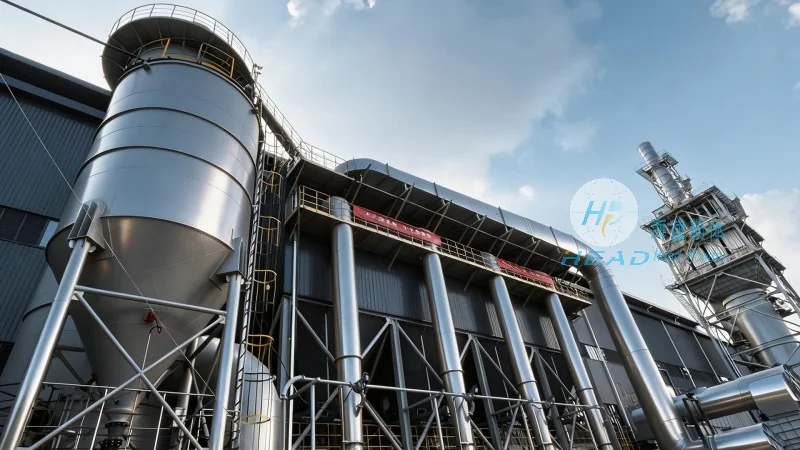
Ceramic particle pneumatic conveying systems operate on the fundamental principle of transporting solid particles through a pipeline using a gas stream, typically air or a combination of air and other gases. The process begins with the loading of ceramic particles into a hopper or feeder. From there, the particles are drawn into a conveying line by a vacuum or pressure source, depending on the system design. The gas stream, often generated by a blower or compressor, moves the particles along the pipeline, ensuring consistent and controlled transport. Key components include the hopper, feeder, conveying line, and a separation or collection unit at the end of the system. The entire process is designed to maintain particle integrity and minimize wear, which is critical given the abrasive nature of ceramic materials.
Key Features of Ceramic Particle Pneumatic Conveying Systems
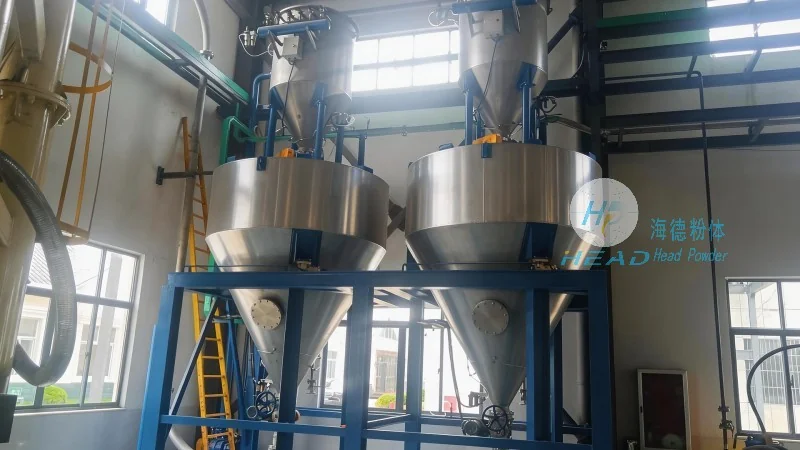
Several notable features distinguish ceramic particle pneumatic conveying systems from other material handling solutions. Firstly, their ability to handle fine or irregularly shaped ceramic particles without causing excessive wear or degradation is a significant advantage. The design of the conveying line, often incorporating smooth, corrosion-resistant materials, ensures that the particles are transported efficiently while preserving their quality. Secondly, these systems offer excellent dust control and environmental safety, as the enclosed pipeline prevents dust emissions and maintains a clean working environment. This is particularly important in industries where air quality regulations are stringent. Thirdly, the systems provide high flexibility in terms of layout and integration with existing production lines. They can be configured to handle varying particle sizes and flow rates, adapting to different production needs. Additionally, the use of vacuum or pressure systems allows for both forward and reverse conveying, enabling versatile material handling capabilities. The control systems integrated into modern ceramic particle pneumatic conveying systems further enhance operational efficiency, allowing for precise regulation of flow rates and pressure, which optimizes energy consumption and reduces operational costs.
Applications and Benefits in Industrial Settings
The practical applications of ceramic particle pneumatic conveying systems span multiple industries, including ceramics manufacturing, pharmaceuticals, and food processing. In ceramics production, these systems are used to transport raw materials such as clay, feldspar, and quartz to processing equipment like mixers and kilns. The ability to handle abrasive ceramic particles without damaging the equipment or the particles themselves is a major benefit. In pharmaceutical and food industries, the systems' hygienic design and ability to maintain particle purity are critical, as they ensure that the materials remain free from contamination and meet stringent quality standards. The benefits of these systems extend beyond material transport; they also contribute to improved workplace safety by reducing manual handling of heavy or dusty materials, and they enhance overall production efficiency by minimizing downtime and maintenance requirements.
Conclusion
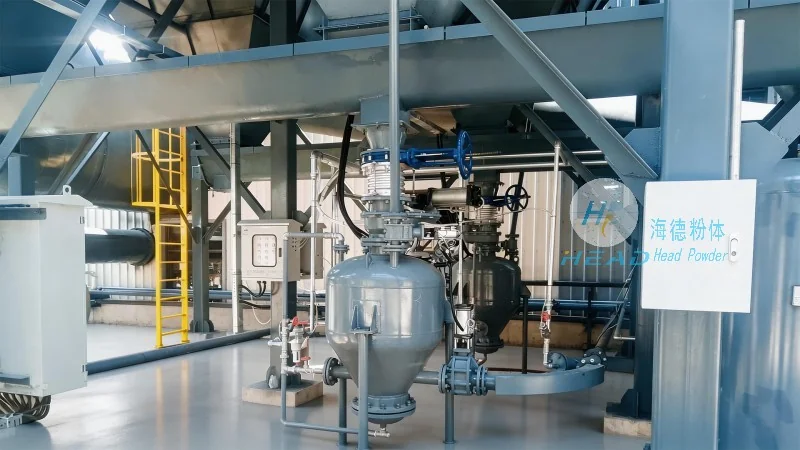
Ceramic particle pneumatic conveying systems represent a highly effective solution for the transport of fine, abrasive ceramic materials. Their working principle, based on gas-assisted movement through enclosed pipelines, combined with key features such as durability, dust control, and flexibility, makes them an essential component in modern industrial processes. By understanding these principles and features, industries can make informed decisions about implementing such systems, ultimately leading to improved operational performance and product quality. The continued development and refinement of these systems ensure their relevance and effectiveness in handling the evolving demands of industrial material processing.