

Working Principle and Features of Paddy Grain Pneumatic Conveying Lines
HeadPowder, a leading manufacturer based in Shandong, China, specializes in the design and production of advanced paddy grain pneumatic conveying systems. These systems are engineered to efficiently handle the transportation of paddy grains from storage to processing facilities, ensuring minimal loss and optimal quality maintenance.
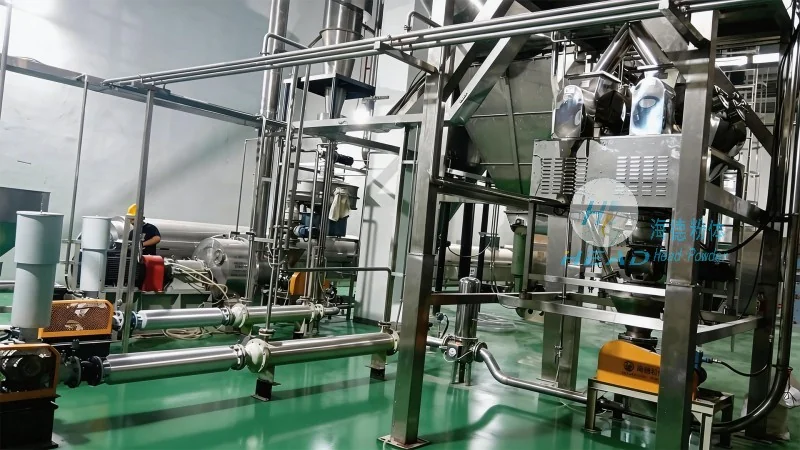
Working Principle of Paddy Grain Pneumatic Conveying Lines
The core of a paddy grain pneumatic conveying line is the use of air pressure to move bulk materials through a pipeline network. In this system, paddy grains are fed into a hopper, where they are then drawn into a venturi or a rotary valve. The air, typically supplied by a high-pressure blower, creates a negative pressure zone that pulls the grains along the pipeline. The process involves several key components, including a material feeder, a conveying line, a separator, and a dust collector. The material feeder ensures a consistent flow of paddy grains, while the conveying line transports them to the processing area. The separator removes any foreign materials or dust, and the dust collector captures airborne particles, maintaining a clean and safe working environment.
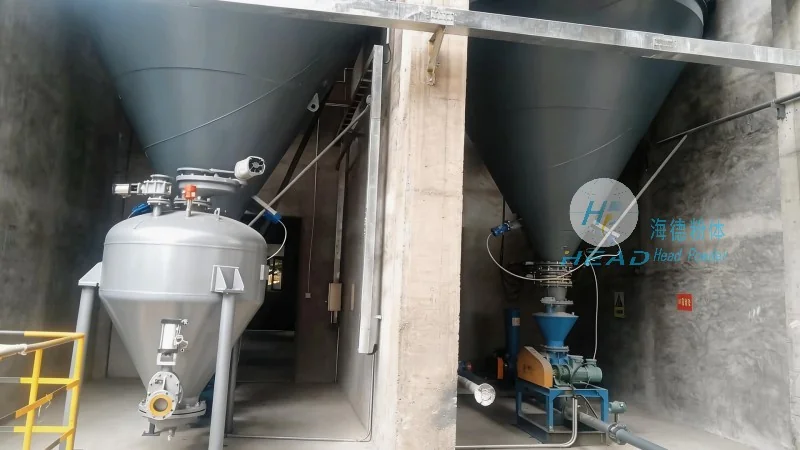
Key Features of Paddy Grain Pneumatic Conveying Systems
Shandong HeadPowder Engineering Co., Ltd. offers paddy grain pneumatic conveying systems with several distinct features that enhance their performance and reliability. One of the primary advantages is the ability to transport materials over long distances without the need for multiple transfer points, reducing the risk of material breakage and contamination. The systems are also designed for easy maintenance, with components that can be quickly accessed and replaced, minimizing downtime. Additionally, the use of air as the conveying medium allows for a flexible layout, enabling the integration of the system into existing production lines. The equipment is constructed from high-quality materials, such as stainless steel, which provides durability and resistance to corrosion, ensuring long-term operation. Another notable feature is the energy efficiency of the system, as the blower can be adjusted to match the required conveying capacity, optimizing power consumption. The systems also incorporate safety features, such as pressure relief valves and emergency shut-off mechanisms, to protect both the equipment and personnel.
Application and Benefits in Paddy Processing
Paddy grain pneumatic conveying lines are widely used in the rice processing industry to transport raw paddy grains from storage silos to milling machines. The systems are particularly beneficial in large-scale operations, where the need for efficient material handling is critical. By using pneumatic conveying, the process becomes more streamlined, reducing the time and labor required for manual handling. The systems also contribute to improved product quality, as the gentle handling of grains minimizes breakage and damage, which can affect the final rice product. Furthermore, the closed system design helps maintain hygiene standards, preventing contamination from external sources. The flexibility of the conveying lines allows for easy integration with other processing equipment, such as cleaners, sorters, and dryers, creating a comprehensive and efficient processing line. The use of these systems also helps in reducing operational costs, as the lower maintenance requirements and energy efficiency lead to long-term savings.
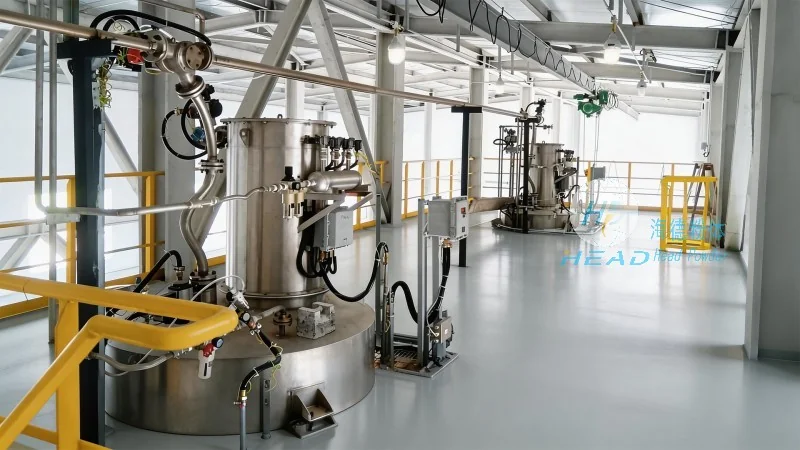
Technical Specifications and Customization Options
Shandong HeadPowder Engineering Co., Ltd. provides paddy grain pneumatic conveying systems with customizable options to meet the specific needs of different rice processing facilities. The systems can be designed for various conveying capacities, ranging from small-scale operations to large industrial plants. The conveying distance can also be adjusted, with some systems capable of transporting materials over several hundred meters. The material feeder can be configured to handle different grain sizes and moisture content, ensuring optimal performance. The blower and other components can be selected based on the required air volume and pressure, ensuring efficient operation. The system can also be equipped with monitoring and control systems, allowing for real-time tracking of the conveying process and automatic adjustments as needed. Customization options include different pipeline materials, such as stainless steel or PVC, and various control panel configurations, providing flexibility for different operational requirements.