

Working Principle and Features of Shredded Paper Pneumatic Conveying Systems
Shandong HeadPowder Engineering Co., Ltd. specializes in the design, manufacturing, and installation of advanced pneumatic conveying systems tailored for the efficient handling of shredded paper materials. This article delves into the fundamental working principle and key characteristics of such systems, providing a comprehensive overview for potential clients and industry professionals.
Understanding the Working Principle of Shredded Paper Pneumatic Conveying Lines
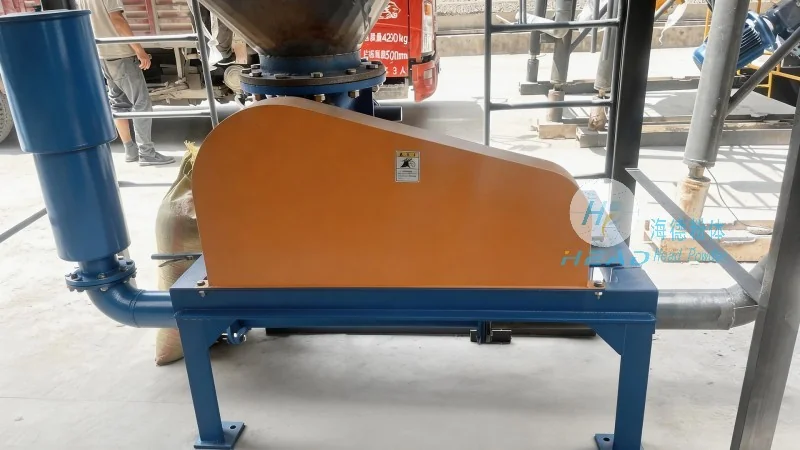
The core mechanism of a shredded paper pneumatic conveying system revolves around the use of air as the primary medium to transport material from a source to a destination. Typically, these systems operate under negative pressure (suction) or positive pressure (blowing) conditions, depending on the specific application requirements. The process begins with the shredded paper being introduced into a hopper or feeding device, where it is then drawn or pushed into a pipeline by the moving air stream. The air, often referred to as carrier gas, carries the particles through the system, overcoming gravitational forces and any resistance within the pipeline. Key components include the feeding unit, conveying pipeline, separation equipment, and discharge device. The feeding unit ensures a consistent flow of shredded paper into the system, while the pipeline network transports the material efficiently. Separation equipment, such as cyclones or filters, is used to remove any excess air or fine particles, ensuring the material is delivered in a clean and controlled manner. The discharge device then releases the shredded paper at the desired location, completing the conveying process.
Key Features of Shredded Paper Pneumatic Conveying Systems
Shredded paper pneumatic conveying systems offer several distinct advantages that make them ideal for various industrial applications. One of the most significant features is their ability to handle abrasive and lightweight materials like shredded paper without causing excessive wear on system components. The design of the conveying lines, including the use of flexible hoses or rigid pipes, allows for easy integration into existing production facilities, minimizing installation time and costs. Additionally, these systems provide a dust-free and hygienic environment, which is crucial for maintaining product quality and compliance with environmental regulations. The modular nature of the systems enables customization to meet specific operational needs, such as varying material flow rates or distances between the source and destination. Another notable feature is the energy efficiency achieved through optimized air flow management, reducing operational costs over time. The systems also offer high reliability and low maintenance requirements, as they eliminate the need for mechanical parts that are prone to wear and tear in traditional conveying methods. Furthermore, the ability to handle materials in a closed system prevents contamination and ensures product integrity, which is essential for industries where quality control is paramount.
Applications and Benefits in Industrial Settings
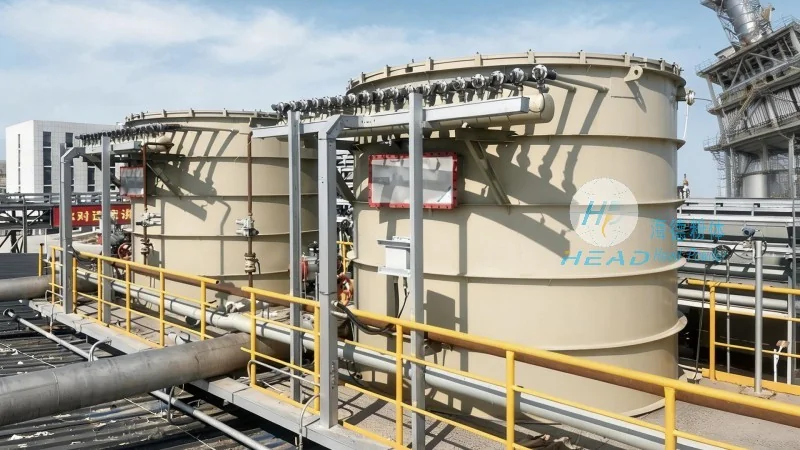
Shredded paper pneumatic conveying systems are widely used in industries such as waste management, recycling, and paper manufacturing. In waste management facilities, these systems efficiently transport shredded paper from collection points to processing plants, streamlining the recycling process. In recycling operations, the systems help in transporting shredded paper safely and efficiently to sorting and baling equipment, improving overall productivity. For paper manufacturers, the systems help in transporting raw materials or finished products within the production facility, enhancing operational efficiency. The benefits of using such systems extend beyond just material handling; they also contribute to improved workplace safety by eliminating manual handling of heavy or bulky materials. Additionally, the dust-free operation reduces the risk of respiratory issues among workers, creating a healthier work environment. The systems also play a role in reducing environmental impact by minimizing the need for trucks or other external transportation methods, which can lead to lower carbon emissions and reduced traffic congestion.
Customization and Integration Capabilities
Shandong HeadPowder Engineering Co., Ltd. offers comprehensive customization options to meet the unique needs of each client. The company's expertise in pneumatic conveying technology allows for the design of systems that can handle varying types and sizes of shredded paper, from fine particles to larger fragments. The integration of advanced control systems enables precise regulation of air flow and material feed rates, ensuring optimal performance under different operational conditions. Clients can also choose from a range of materials for the conveying pipeline, such as stainless steel or plastic, depending on the specific requirements of the application. The company provides detailed engineering support, including site surveys and system simulations, to ensure that the final design meets all operational and safety standards. Additionally, the systems can be integrated with existing production lines, minimizing disruptions during the installation process. The modular design of the systems allows for easy expansion or modification in the future, providing long-term value to the client.
Maintenance and Operational Considerations
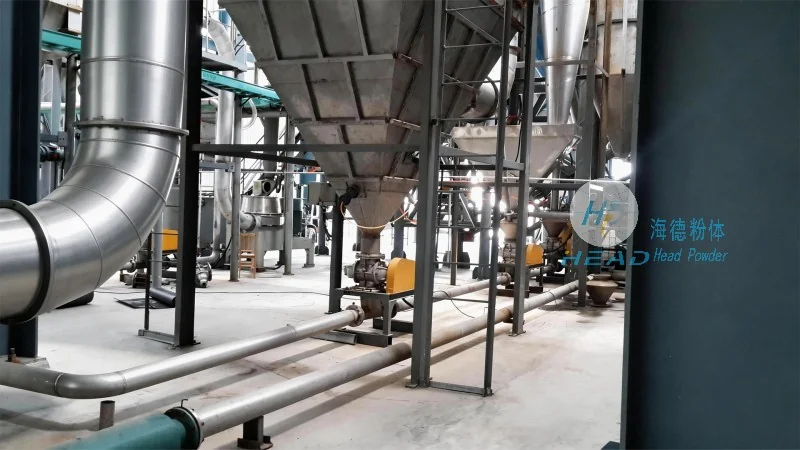
Proper maintenance is crucial to ensure the long-term efficiency and reliability of shredded paper pneumatic conveying systems. Regular inspections of the pipeline and components are necessary to detect any signs of wear or damage. The feeding unit and separation equipment should be checked periodically to ensure they are functioning correctly. Air filters and compressors should be maintained to prevent dust buildup and ensure consistent air quality. The company provides detailed maintenance guidelines and can offer on-site support to address any issues that may arise. Operational considerations include monitoring the system's performance metrics, such as flow rates and pressure, to identify any deviations from normal operation. Proper training of personnel on the system's operation and maintenance is essential to prevent accidents and ensure optimal performance. The use of high-quality components and materials also contributes to the longevity of the system, reducing the need for frequent repairs or replacements.
Conclusion
Shredded paper pneumatic conveying systems, as offered by Shandong HeadPowder Engineering Co., Ltd., represent a highly efficient and reliable solution for the transportation of shredded paper materials. By understanding the working principle and key features of these systems, industries can make informed decisions about their material handling needs. The customization options and integration capabilities provided by the company ensure that the systems can be tailored to meet specific operational requirements, while the maintenance and operational considerations ensure long-term performance. With its focus on quality and customer satisfaction, Shandong HeadPowder Engineering Co., Ltd. is a trusted partner for businesses seeking to enhance their material handling processes.