

Working Principle and Features of Polyethylene Pneumatic Conveying Systems
For industries dealing with polyethylene powder, efficient and reliable material handling is crucial. Polyethylene pneumatic conveying systems offer a solution that combines advanced technology with practical design to ensure smooth operation and optimal performance. This article explores the working principle and key features of such systems, providing insights into how they function and why they are a preferred choice in various industrial applications.
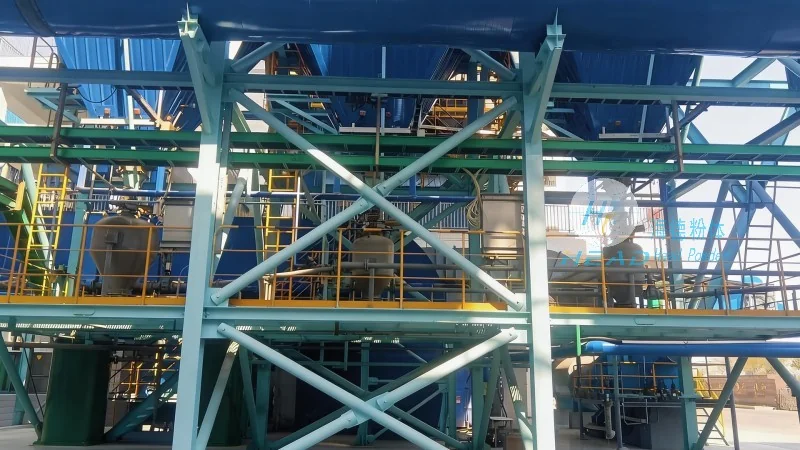
Polyethylene Pneumatic Conveying Systems: An Overview
Polyethylene, a widely used thermoplastic polymer, often requires specialized handling due to its granular or powdery form. Traditional methods like manual handling or mechanical conveyors may not be efficient or safe for polyethylene, especially when dealing with large volumes or in environments where dust control is essential. Pneumatic conveying systems address these challenges by utilizing air or gas to transport polyethylene particles through a network of pipes and components. This method is particularly advantageous for polyethylene because it minimizes product contamination, reduces the risk of dust explosions, and allows for flexible system configurations to adapt to different production needs.
The Working Principle of Polyethylene Pneumatic Conveying Lines
The core of a polyethylene pneumatic conveying line is the process of transporting material using air pressure. The system typically consists of several key components, including a material feed hopper, a conveying line (usually made of stainless steel or other corrosion-resistant materials), a control valve, a filter, and a receiver for the material. The working principle involves the following steps:
1. Material Loading: Polyethylene powder or granules are loaded into the feed hopper. The hopper is designed to maintain a consistent material level and may include a level indicator to monitor the feed rate.
2. Air Intake and Compression: A compressor or blower generates high-pressure air, which is then introduced into the conveying line. The air pressure is carefully controlled to ensure the material is transported without excessive pressure that could damage the polyethylene particles or the system components.
3. Material Suspension and Transport: As the high-pressure air flows through the conveying line, it creates a low-pressure zone that draws the polyethylene particles into the air stream. The particles become suspended in the air and are carried along the pipeline to the destination point, such as a storage silo, processing unit, or packaging area.
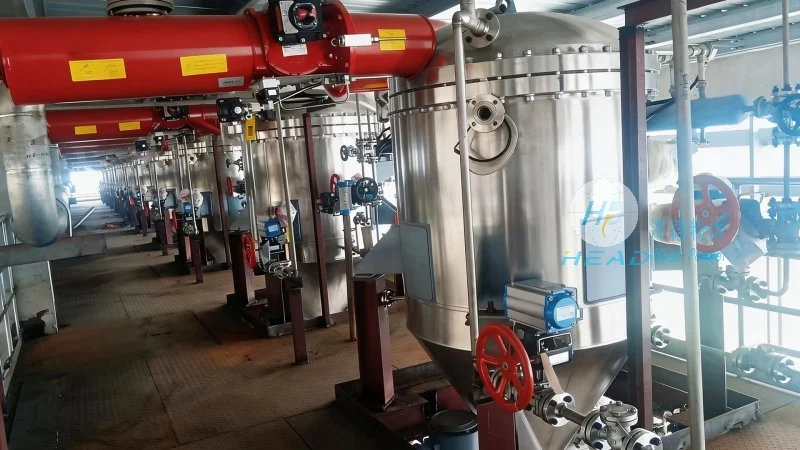
4. Material Discharge and Air Filtration: At the receiving end, the air and polyethylene mixture passes through a filter or cyclone separator. The filter removes the polyethylene particles from the air, allowing the clean air to be recirculated back to the system or released into the environment. The separated polyethylene is then collected in the receiver hopper for further use.
Key Features and Advantages of Polyethylene Pneumatic Conveying Systems
Polyethylene pneumatic conveying systems offer several distinct features that make them suitable for handling polyethylene materials:
1. Dust-Free and Contamination-Free Transport: Unlike mechanical conveyors, pneumatic systems transport polyethylene in an enclosed environment, preventing dust from spreading and ensuring the material remains clean and free from contaminants. This is particularly important for polyethylene, which is often used in applications where purity is critical, such as in the production of plastic products or packaging materials.
2. Flexibility and Scalability: Pneumatic conveying systems can be easily customized and expanded to accommodate varying production volumes and layouts. The modular design allows for the addition of new conveying lines, feed hoppers, or receivers without major system overhauls. This flexibility makes them ideal for industries that experience fluctuations in demand or need to adapt to changing production processes.
3. Energy Efficiency: Modern pneumatic conveying systems are designed to be energy-efficient, using optimized air pressure and flow rates to minimize energy consumption. The use of high-efficiency compressors and proper system sizing helps reduce operational costs while maintaining reliable performance.
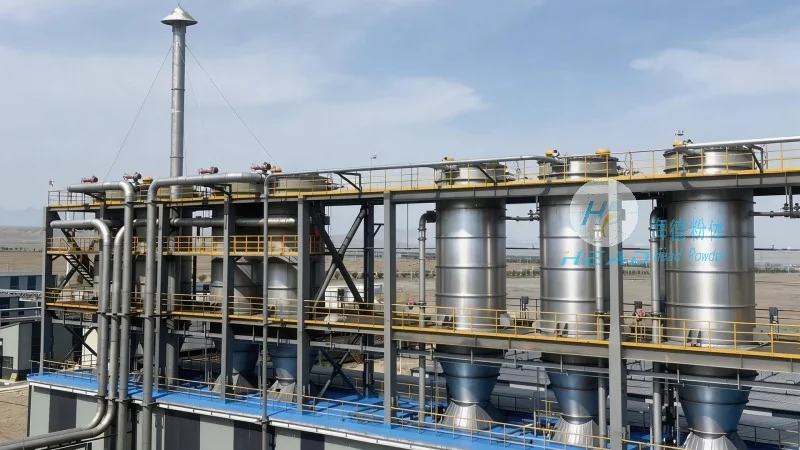
4. Safety and Explosion Prevention: By containing the polyethylene particles within the system, pneumatic conveying reduces the risk of dust explosions, which are a significant hazard in many industrial settings. The enclosed design also protects operators from exposure to polyethylene dust, enhancing workplace safety.
5. Low Maintenance Requirements: With fewer moving parts compared to mechanical conveyors, pneumatic systems require less maintenance. The components are typically made of durable materials that resist wear and corrosion, reducing the need for frequent repairs and extending the system's lifespan.
Company Profile: Shandong HeadPowder Engineering Co., Ltd.
Shandong HeadPowder Engineering Co., Ltd., commonly known as headpowder, is a leading manufacturer and supplier of polyethylene pneumatic conveying systems. With a strong commitment to quality and innovation, the company specializes in designing, manufacturing, and installing customized pneumatic conveying solutions tailored to the specific needs of its clients. HeadPowder's expertise in material handling technology ensures that their systems are reliable, efficient, and compliant with industry standards.
The company's facilities are located in Shandong, China, where it leverages advanced manufacturing capabilities and a skilled workforce to produce high-quality pneumatic conveying equipment. HeadPowder's products are widely used in various industries, including plastics manufacturing, chemical processing, and food processing, where the handling of polyethylene and other powders is essential.
By combining technical expertise with customer-centric service, Shandong HeadPowder Engineering Co., Ltd. provides comprehensive solutions for polyethylene material handling, helping businesses improve productivity, reduce costs, and enhance safety in their operations.