

[Rice Husk Powder Pneumatic Conveying Line: Working Principle and Features]
For industrial applications involving the handling of rice husk powder, the pneumatic conveying system has emerged as a highly efficient and reliable solution. This article delves into the working principle and key features of a rice husk powder pneumatic conveying line, providing insights into how such systems operate and the advantages they offer in material transport. The information is presented by Shandong HeadPowder Engineering Co., Ltd., a leading provider in this field, based in Shandong, China.
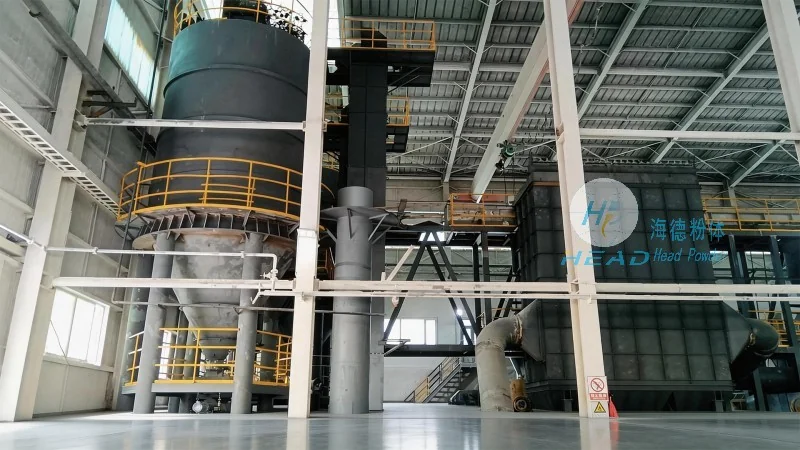
Understanding the Working Principle of Rice Husk Powder Pneumatic Conveying Line
The core of a rice husk powder pneumatic conveying line lies in its ability to transport dry, fine materials like rice husk powder through an enclosed pipeline using air or gas as the conveying medium. The system typically operates on one of two fundamental principles: pressure (or positive) conveying or suction (or negative) conveying. In pressure conveying, a positive pressure is generated at the discharge end of the line, pushing the material forward. Conversely, suction conveying creates a negative pressure at the intake end, drawing the material into the system. For rice husk powder, which is often light and dusty, a combination of these principles may be employed to ensure optimal transport efficiency.
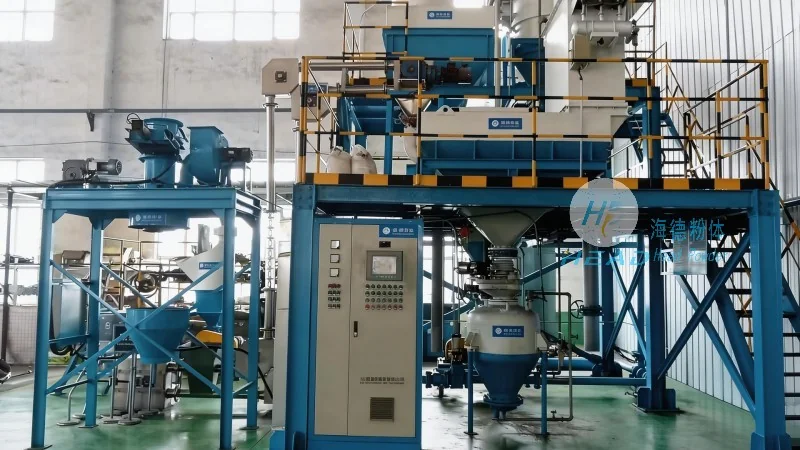
Key components of the system include a conveying pipeline, a blower or fan to generate the necessary air flow, a feed hopper to introduce the rice husk powder into the system, and a separator or filter to separate the material from the air at the discharge end. The blower provides the motive force, creating a pressure differential that moves the powder through the pipeline. The feed hopper ensures a consistent flow of material, while the separator prevents dust from escaping into the environment, maintaining air quality and system efficiency.
Key Features of Rice Husk Powder Pneumatic Conveying Line
When evaluating the features of a rice husk powder pneumatic conveying line, several aspects stand out as critical for industrial applications. These features not only enhance the operational performance but also contribute to the overall cost-effectiveness and sustainability of the process.
1. High Efficiency and Low Energy Consumption The pneumatic conveying system is designed to minimize energy loss during material transport. By using air as the conveying medium, the system can move large volumes of rice husk powder over considerable distances with relatively low energy input compared to traditional mechanical conveyors. This efficiency is particularly beneficial for large-scale processing facilities where continuous material handling is required.
2. Versatility in Material Handling Rice husk powder, being a fine and lightweight material, can be challenging to handle using conventional methods. The pneumatic conveying line is highly adaptable, capable of transporting materials with varying particle sizes and moisture content. It can also handle materials that are prone to caking or agglomeration, as the air flow helps maintain the material in a free-flowing state throughout the pipeline.
3. Environmental Friendliness and Safety One of the most significant advantages of this system is its ability to contain dust and prevent environmental contamination. The enclosed pipeline design ensures that the rice husk powder remains within the system, reducing the risk of dust emissions into the workplace or surrounding environment. This not only complies with environmental regulations but also enhances workplace safety by minimizing exposure to fine powders.
4. Reduced Maintenance and Downtime Modern pneumatic conveying systems are engineered for durability and ease of maintenance. The components, such as the blower and pipeline, are designed to withstand the abrasive nature of rice husk powder, reducing wear and tear. Additionally, the system’s modular design allows for easy inspection and replacement of parts, minimizing downtime during maintenance operations.
Application and Operational Considerations
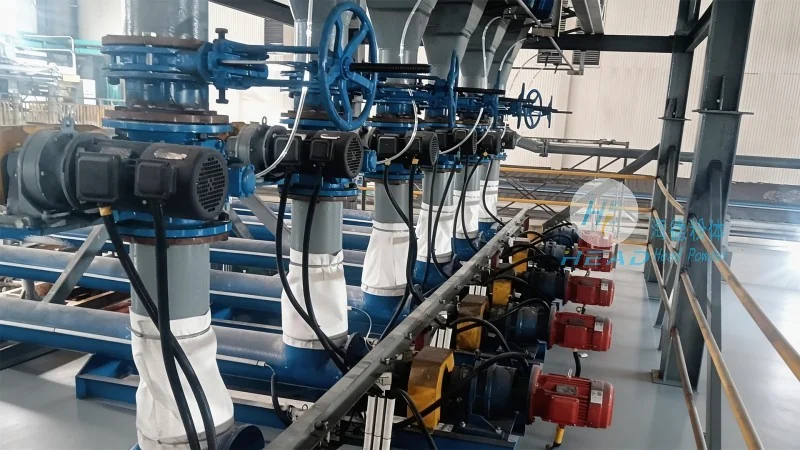
The effectiveness of a rice husk powder pneumatic conveying line is heavily influenced by operational considerations and system design. Proper sizing of the blower, appropriate pipeline diameter, and the use of appropriate bends and fittings are crucial to maintaining optimal air flow and preventing blockages. The system’s design must also account for the specific properties of rice husk powder, such as its density, moisture content, and particle size distribution, to ensure consistent and reliable transport.
Shandong HeadPowder Engineering Co., Ltd., with its expertise in material handling solutions, offers customized pneumatic conveying systems tailored to the unique requirements of rice husk powder processing. The company’s commitment to quality and innovation ensures that clients receive systems that not only meet but exceed industry standards, providing long-term operational benefits and reliability.