

Working Principle and Features of Refractory Material Pneumatic Conveying Equipment
Refractory material pneumatic conveying equipment plays a pivotal role in modern industrial operations, especially in sectors dealing with high-temperature and abrasive materials. This specialized machinery efficiently transports refractory powders and granules, such as refractory clays, ceramics, and other heat-resistant compounds, from storage to processing equipment. The ability to handle these materials safely and efficiently is crucial for maintaining production continuity and ensuring product quality. Understanding the working principle and key features of such equipment is essential for selecting the optimal system for specific industrial applications.
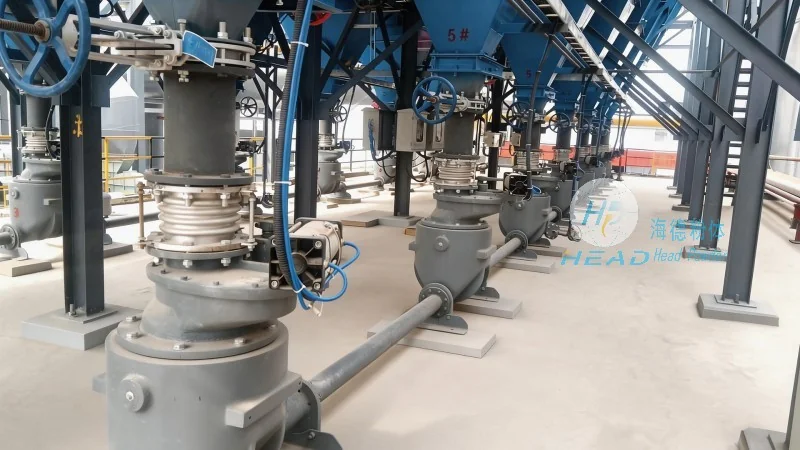
Introduction to Refractory Material Pneumatic Conveying Systems
Refractory material pneumatic conveying systems are engineered to address the unique challenges of handling fine, high-temperature materials. These materials often exhibit properties like low bulk density, high moisture sensitivity, and abrasive nature, making traditional handling methods inefficient or unsafe. The primary function of these systems is to move refractory materials from source points, like silos or production lines, to destinations like kilns, mixers, or packaging units. By utilizing air as the transport medium, the equipment minimizes material contact with machinery, reducing wear and tear while maintaining material integrity.
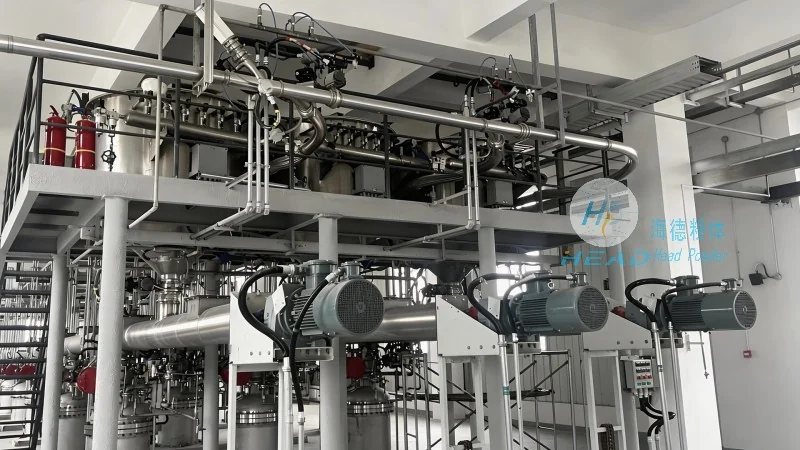
Working Principle of Refractory Material Pneumatic Conveying Equipment
The operation of refractory material pneumatic conveying equipment is based on the fundamental principle of air flow and material interaction. The system typically operates using either pressure or vacuum, each with distinct mechanisms. In pressure systems, compressed air is introduced into the material hopper, creating a pressure differential that forces the material into the pipeline. The air and material mixture then travels through the pipeline to the discharge point, where the air is separated from the material. In vacuum systems, a vacuum is created at the discharge end, drawing the material and air through the pipeline from the hopper. The air then carries the material to the collection point. Both methods rely on the velocity of the air stream to lift and transport the material particles, ensuring consistent and reliable transport.
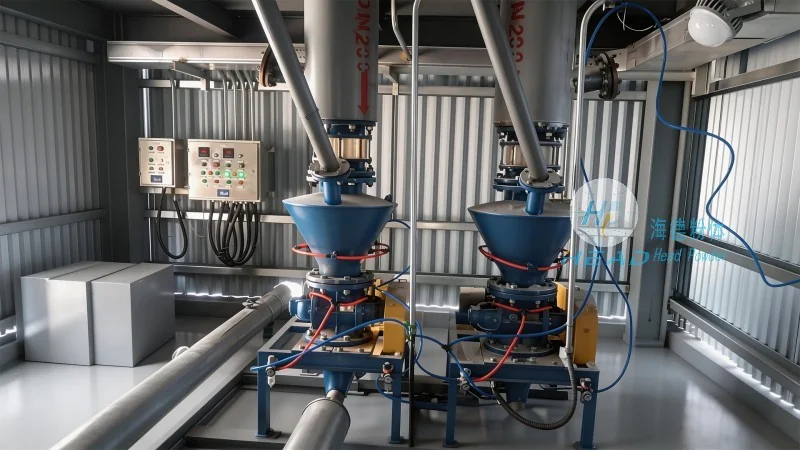
Key Features and Advantages of Refractory Material Pneumatic Conveying Equipment
High-quality refractory material pneumatic conveying systems are characterized by several critical features that enhance performance and durability. First, the equipment is constructed from materials resistant to high temperatures and corrosion, such as stainless steel or specialized alloys, ensuring long-term service life in harsh industrial environments. Second, advanced control systems are integrated to regulate air flow, material feed rates, and pressure, preventing blockages and maintaining consistent transport efficiency. Third, the design incorporates features to minimize material degradation, including moisture control and temperature regulation, which are vital for preserving the quality of refractory materials. Additionally, the systems are designed for easy maintenance and cleaning, reducing downtime and operational costs. These features collectively contribute to the reliability, efficiency, and cost-effectiveness of the equipment.
Industrial Applications and Benefits
Refractory material pneumatic conveying equipment is widely utilized in various industries, including ceramics, foundries, chemical processing, and construction materials. In these applications, the equipment offers significant benefits. It automates material handling, reducing labor costs and the risk of manual handling of hazardous materials. The systems improve process efficiency by ensuring consistent material flow and reducing material loss. Furthermore, the compact design of modern pneumatic conveying systems allows for installation in limited spaces, making them suitable for both new installations and retrofit projects. The ability to handle fine powders without clogging or degradation also enhances product quality and reduces waste.
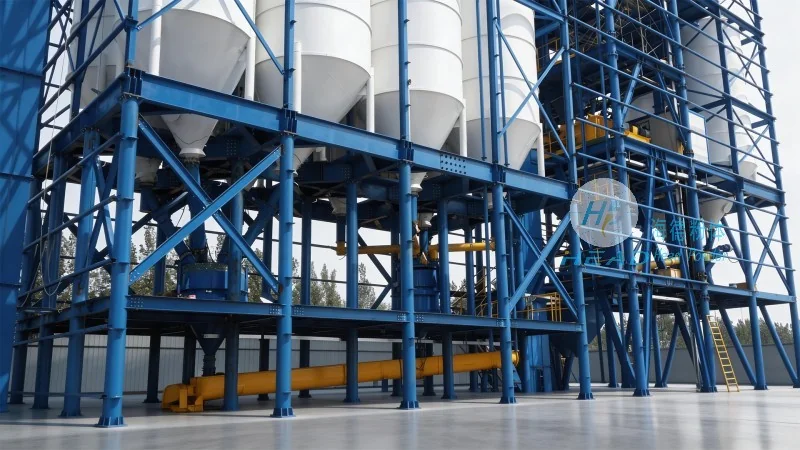
Company Profile: Shandong HeadPowder Engineering Co., Ltd.
Shandong HeadPowder Engineering Co., Ltd., branded as headpowder, is a leading manufacturer specializing in refractory material handling solutions. With decades of experience in the industry, the company provides customized pneumatic conveying systems tailored to the specific needs of its clients. HeadPowder leverages advanced engineering and material science to develop innovative solutions that meet the highest industry standards. The company's commitment to quality, customer satisfaction, and technical support has established it as a trusted partner in the refractory sector. HeadPowder's products are designed to deliver reliable performance, durability, and long-term value, ensuring that clients achieve optimal results in their industrial operations.