

Working Principle and Features of Small Bag Pneumatic Conveying System Equipment
Small bag pneumatic conveying systems are specialized equipment designed to transport bulk materials through an enclosed pipeline using compressed air. This technology offers an efficient and flexible solution for material handling in various industrial applications, from food processing to chemical manufacturing. The core of these systems lies in their ability to move powders and granules without direct contact with mechanical components, reducing wear and contamination risks.
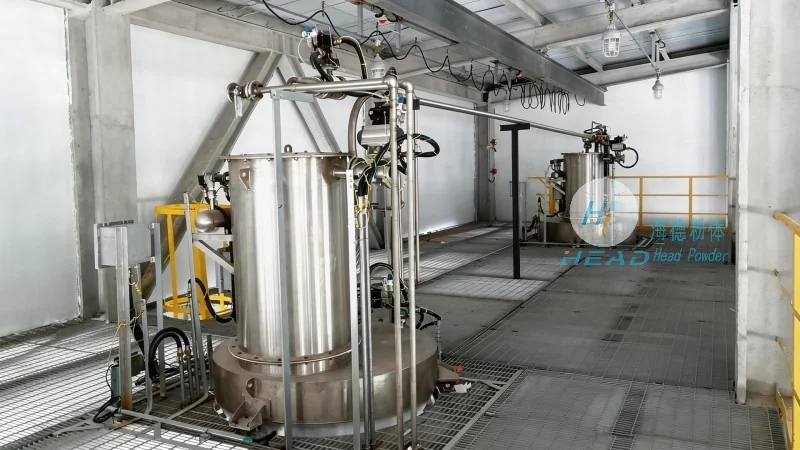
Working Principle of Small Bag Pneumatic Conveying Equipment
The operation of small bag pneumatic conveying systems is based on the principle of air pressure and flow dynamics. The system typically consists of a hopper, a conveying line, and a receiver. When the system is activated, compressed air is introduced into the hopper, creating a low-pressure zone that draws material into the pipeline. The air then propels the material through the conveying line to the destination receiver. The velocity and pressure of the air are carefully controlled to ensure optimal material transport, minimizing segregation and degradation of the product. This process is highly efficient for short to medium distance transfers, making it suitable for applications where traditional mechanical conveyors may be impractical.
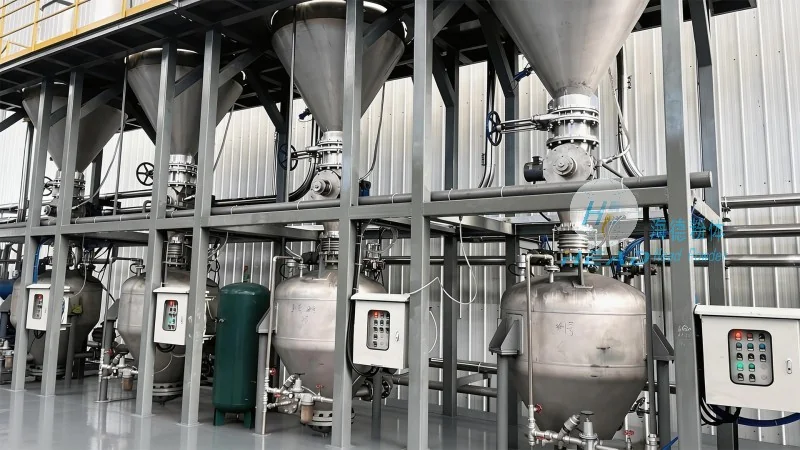
Key Features and Advantages of Small Bag Pneumatic Conveying Systems
Small bag pneumatic conveying systems offer several distinct advantages that make them a preferred choice in many industries. One of the primary benefits is their ability to handle a wide range of materials, including fine powders, granules, and even sensitive products that require gentle handling. The enclosed pipeline design prevents dust emissions and contamination, which is critical in food, pharmaceutical, and chemical sectors. Additionally, these systems are highly flexible, allowing for easy reconfiguration or expansion as production needs change. They also require minimal maintenance compared to traditional belt or screw conveyors, as there are no moving parts in direct contact with the material. The energy efficiency of pneumatic conveying, particularly in low-pressure systems, further enhances their appeal for cost-conscious operations.
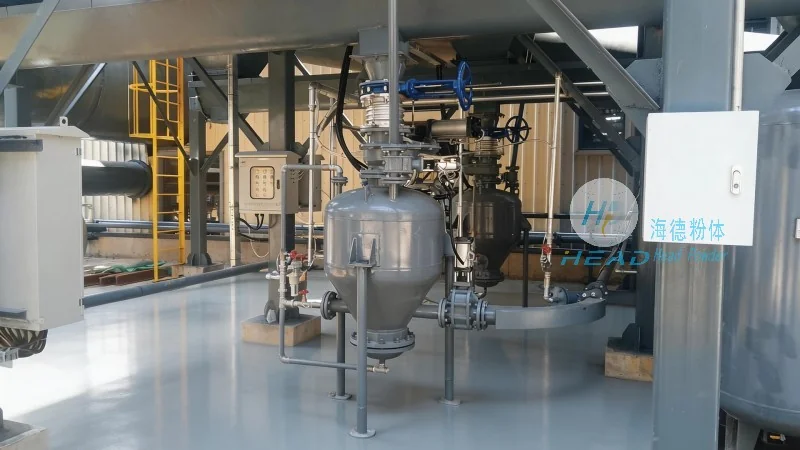
Application Examples and Industry Use Cases
Small bag pneumatic conveying systems are widely used across various industries due to their adaptability. In the food industry, they are commonly employed to transport flour, sugar, and other dry ingredients in bakeries and food processing plants. The gentle handling ensures product quality and prevents clumping or degradation. In the chemical industry, these systems are used to move powders such as pigments, polymers, and catalysts, where contamination control is paramount. Additionally, they are utilized in pharmaceutical manufacturing for transporting raw materials and finished products, adhering to stringent hygiene standards. The systems' ability to handle both dry and slightly moist materials makes them versatile for diverse applications.
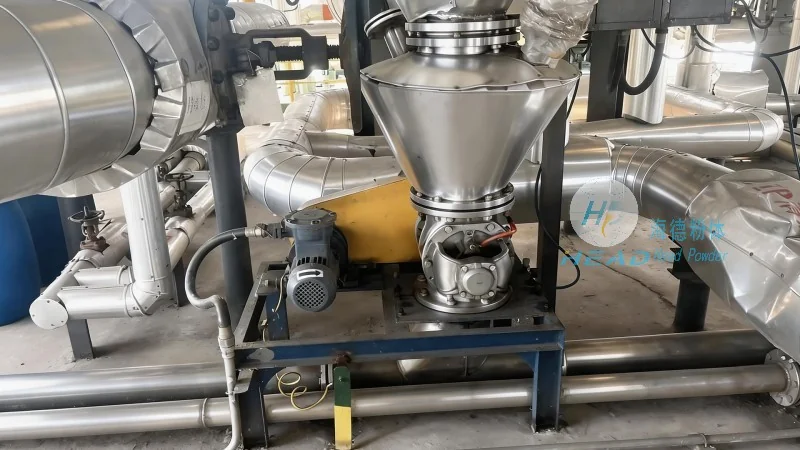
Manufacturing and Engineering by Shandong HeadPowder Engineering Co., Ltd.
Shandong HeadPowder Engineering Co., Ltd., operating under the brand name headpowder, specializes in the design, manufacturing, and supply of small bag pneumatic conveying systems. With a focus on precision engineering and customer-centric solutions, the company has established itself as a trusted provider in the material handling sector. Headpowder's systems are engineered to meet the specific requirements of each client, ensuring optimal performance and reliability. The company's facilities, located in Shandong, China, leverage advanced manufacturing technologies and rigorous quality control processes to deliver high-quality equipment that meets international standards. By combining technical expertise with practical experience, headpowder delivers solutions that enhance operational efficiency and product integrity for its clients worldwide.