

Working Principle and Features of Dust Pneumatic Conveying System Equipment
For industries dealing with bulk materials, especially fine powders, the selection of an efficient and reliable material handling system is crucial. The dust pneumatic conveying system equipment, offered by Shandong HeadPowder Engineering Co., Ltd., represents a sophisticated solution designed to meet these demands. This article explores the working principle and key features of such systems, providing insights into their operational efficiency and practical applications.
Overview of Dust Pneumatic Conveying Systems
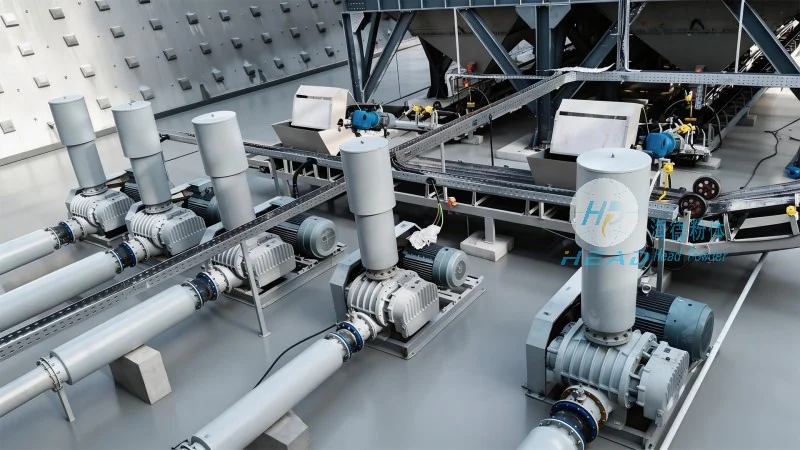
Dust pneumatic conveying systems are engineered to transport dry powders and granular materials over short to medium distances using compressed air or other gases. The technology eliminates the need for mechanical components like belts or screws, reducing maintenance requirements and operational costs. These systems are widely used in sectors such as chemical, pharmaceutical, food processing, and mining, where material handling must be precise and hygienic.
The Working Principle of Dust Pneumatic Conveying Equipment
The core of dust pneumatic conveying lies in the interaction between the material and the air stream. The process typically begins with the material being fed into a hopper or feeder. From there, the material is drawn into a pipeline by a high-pressure air stream generated by a blower or compressor. The air and material mixture travels through the pipeline to the discharge point, where the material is separated from the air using a cyclone separator or other filtration device. The separated air is then returned to the system or vented, while the material is collected in a storage bin or processing unit.
Key Features of Dust Pneumatic Conveying Systems
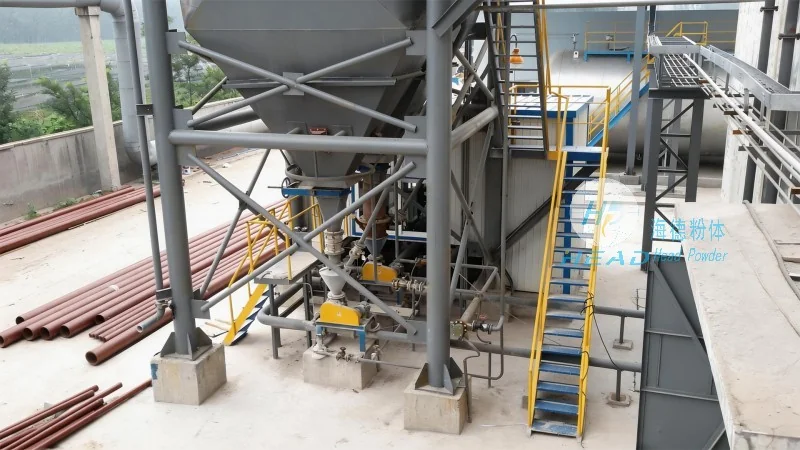
Shandong HeadPowder Engineering Co., Ltd. specializes in designing and manufacturing dust pneumatic conveying systems that incorporate several advanced features to enhance performance and reliability. These features include:
1. High Efficiency and Low Energy Consumption: Modern systems are optimized to minimize energy use while maximizing material throughput. The use of efficient blowers and optimized pipeline designs ensures that the system operates at peak performance with minimal power consumption.
2. Gentle Material Handling: Unlike mechanical conveyors, pneumatic systems handle materials with minimal abrasion and impact, preserving the integrity of the product. This is particularly important for sensitive powders that could degrade or lose quality under mechanical stress.
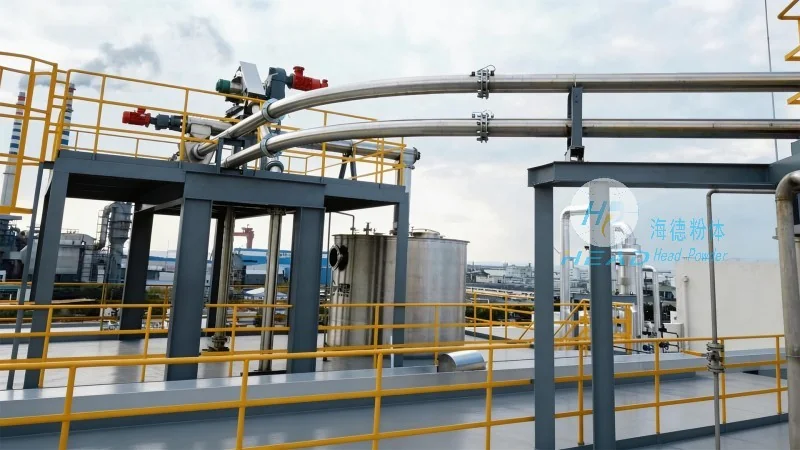
3. Versatility in Material Handling: Dust pneumatic conveying systems can handle a wide range of materials, from fine powders to coarse granules, and can be adapted to various process requirements. The flexibility allows for integration into existing production lines without major modifications.
4. Clean and Hygienic Operation: For industries where product purity is paramount, such as food and pharmaceuticals, the systems are designed to be clean and easy to maintain. The absence of moving parts in contact with the material reduces contamination risks, and the system can be easily cleaned and sanitized.
5. Reduced Maintenance and Downtime: With fewer mechanical components, the risk of breakdowns is lower, and maintenance intervals are extended. This leads to lower operational costs and higher system availability, ensuring consistent production output.
Application Examples and Benefits
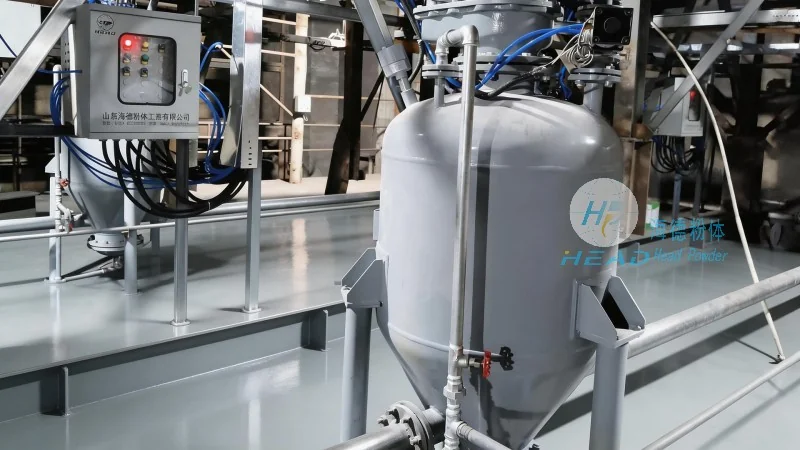
The dust pneumatic conveying systems from Shandong HeadPowder Engineering Co., Ltd. have been successfully implemented in various applications. For instance, in the chemical industry, they are used to transport reactive powders safely and efficiently, minimizing the risk of dust explosions. In the food processing sector, they ensure that powders like flour or sugar are handled hygienically, maintaining product quality and safety standards. The systems also contribute to environmental benefits by reducing dust emissions and improving workplace safety.
Conclusion
In conclusion, dust pneumatic conveying systems represent a highly effective solution for the transportation of fine powders and granular materials. The working principle, which relies on the force of compressed air, combined with advanced features such as energy efficiency and gentle handling, makes these systems ideal for modern industrial applications. Shandong HeadPowder Engineering Co., Ltd., based in Shandong, China, is a leading provider of such equipment, offering tailored solutions that meet the specific needs of various industries. By understanding the working principle and features of these systems, businesses can make informed decisions to enhance their material handling processes and improve overall operational efficiency.