

Working Principle and Features of Monosodium Glutamate Powder Material Handling Equipment
For industries dealing with monosodium glutamate (MSG) powder, efficient material handling is crucial for maintaining production efficiency and product quality. The equipment designed for this purpose, often referred to as MSG powder material handling systems, plays a vital role in the processing and transportation of this fine powder. This article explores the working principles and key features of such equipment, highlighting how they contribute to the smooth operation of MSG production lines.
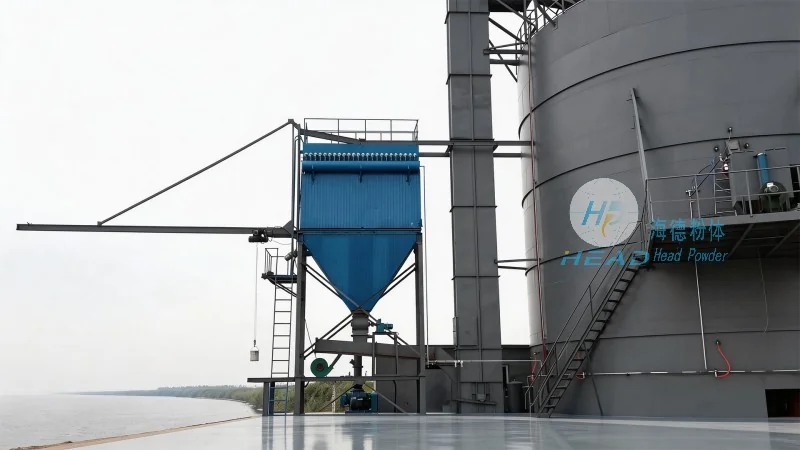
Introduction to Monosodium Glutamate Powder Handling Equipment
Monosodium glutamate, commonly known as MSG, is a widely used flavor enhancer in the food industry. Its fine powder form requires specialized equipment to handle due to its light weight, tendency to clump, and potential for dust generation. The material handling equipment for MSG powder is engineered to address these challenges, ensuring safe, efficient, and hygienic processing. Shandong HeadPowder Engineering Co., Ltd., a leading manufacturer in this field, specializes in designing and supplying equipment tailored to the unique needs of MSG production facilities.
Working Principle of Monosodium Glutamate Powder Material Handling Equipment
The core working principle of MSG powder material handling equipment revolves around the efficient transfer of fine powder from one point to another within a production facility. These systems typically utilize a combination of mechanical components, such as conveyors, feeders, and pneumatic systems, to move the powder through various stages of processing. The equipment is designed to minimize dust generation and ensure consistent flow rates, which are critical for maintaining product quality and preventing contamination.
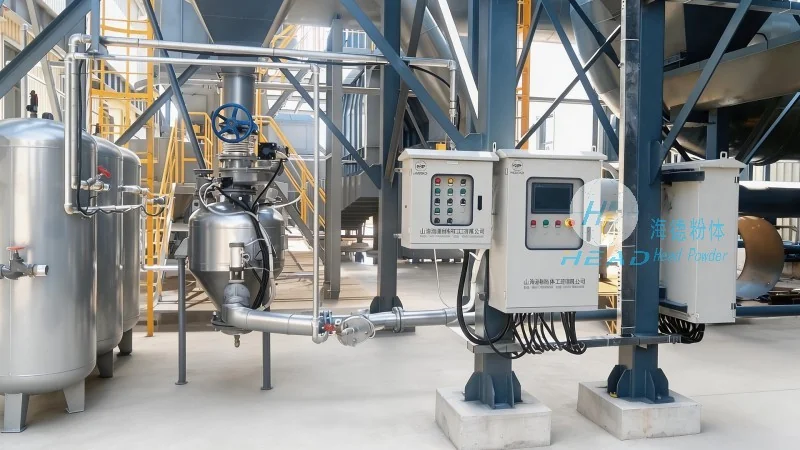
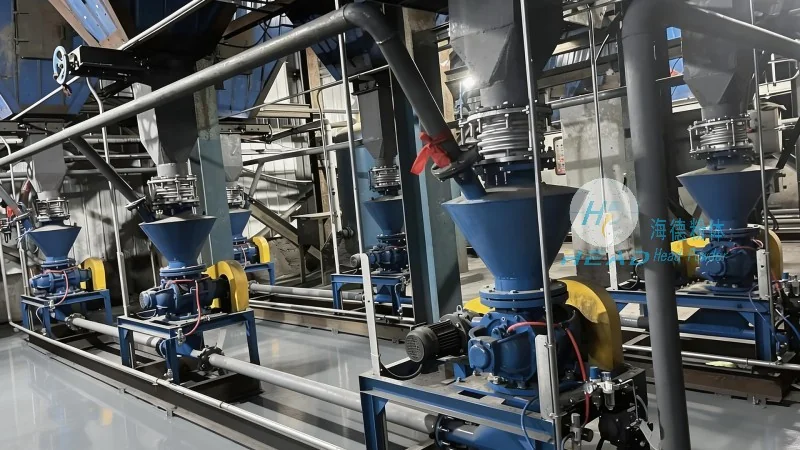
Conveyor systems, such as belt conveyors or screw conveyors, are commonly used to transport MSG powder over short to medium distances. These systems are equipped with special materials, like food-grade stainless steel, to prevent contamination and ensure durability. For vertical or inclined transport, pneumatic conveying systems are often employed. These systems use air pressure to move the powder through pipes, which is particularly effective for handling fine powders that are prone to clogging in traditional conveyors.
Key Features of Monosodium Glutamate Powder Handling Equipment
The features of MSG powder material handling equipment are tailored to meet the specific demands of the food industry, emphasizing hygiene, efficiency, and safety. One of the primary features is the use of food-grade materials throughout the system, including stainless steel components and sealed housings, to prevent contamination and ensure compliance with food safety regulations. This is particularly important in the MSG industry, where product purity is paramount.
Another critical feature is the integration of dust control mechanisms. MSG powder is lightweight and can easily become airborne, posing health and safety risks. The equipment is equipped with dust collection systems, such as cyclones or bag filters, to capture and contain any airborne particles, ensuring a safe working environment. Additionally, the systems are designed with easy-to-clean surfaces and minimal dead zones to facilitate thorough cleaning and maintenance, which is essential for maintaining hygiene standards.
Efficiency is another key feature, with equipment designed to handle high volumes of MSG powder while maintaining consistent flow rates. The use of adjustable feeders and variable speed drives allows operators to control the flow rate according to production needs, optimizing energy consumption and reducing waste. The equipment also incorporates safety features, such as emergency stop buttons and overload protection, to prevent accidents and ensure the safety of operators.
Benefits of Using Monosodium Glutamate Powder Handling Equipment
The implementation of specialized material handling equipment for MSG powder offers numerous benefits to production facilities. Firstly, it significantly improves operational efficiency by reducing downtime and increasing throughput. The consistent flow rates and reliable performance of the equipment ensure that production lines run smoothly, minimizing delays and maximizing productivity. Secondly, the equipment enhances product quality by maintaining the purity and consistency of the MSG powder. The use of food-grade materials and dust control systems prevents contamination, ensuring that the final product meets stringent quality standards.
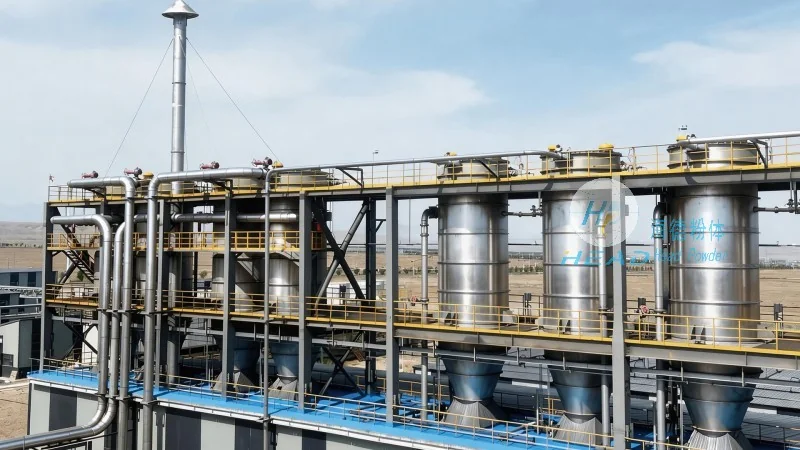
Thirdly, the equipment improves safety in the workplace. By minimizing dust generation and incorporating safety features, the risk of accidents and health issues related to MSG powder exposure is reduced. This not only protects the workforce but also helps in maintaining compliance with occupational health and safety regulations. Finally, the equipment contributes to cost savings by reducing material waste and lowering maintenance costs. The efficient design and durable construction of the equipment result in lower operational costs over its lifespan.
Conclusion
Monosodium glutamate powder material handling equipment is a critical component of modern MSG production facilities, enabling efficient and safe processing of this essential food ingredient. The working principles and key features of such equipment, as exemplified by products from Shandong HeadPowder Engineering Co., Ltd., are designed to address the unique challenges of handling fine powders while maintaining high standards of hygiene and efficiency. By investing in specialized material handling systems, MSG manufacturers can enhance their operational performance, ensure product quality, and create a safer working environment for their employees.