

Working Principle and Features of Stainless Steel Powder Bulk Bag Pneumatic Conveying System
Stainless steel powder bulk bag pneumatic conveying systems represent a sophisticated approach to handling and transporting bulk powders from bulk bags. These systems are engineered to deliver efficient, reliable, and hygienic material transfer, making them indispensable in industries where product purity and operational efficiency are paramount. As a core component of modern material handling, such systems integrate advanced technology with robust construction to meet the diverse demands of industrial applications. The primary objective of these systems is to facilitate the seamless movement of powders from the source (bulk bag) to the destination (e.g., storage silos, processing units) while minimizing contamination, dust emissions, and operational downtime.
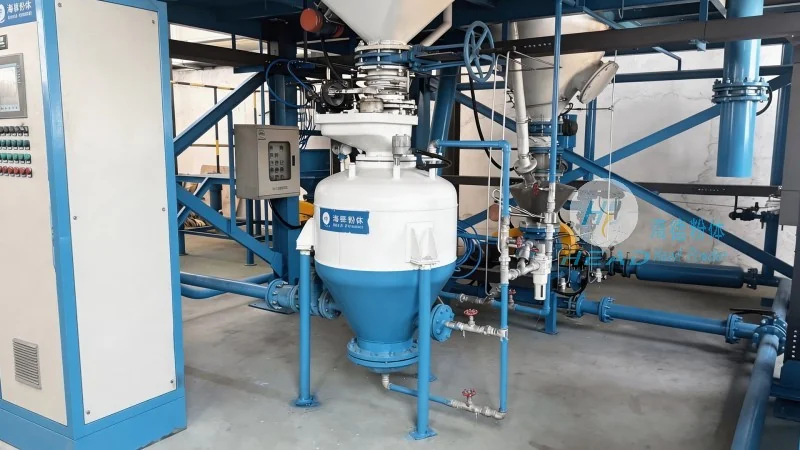
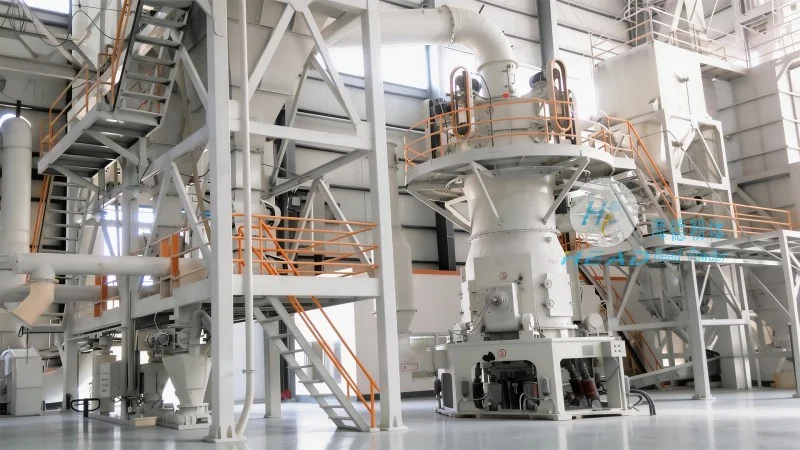
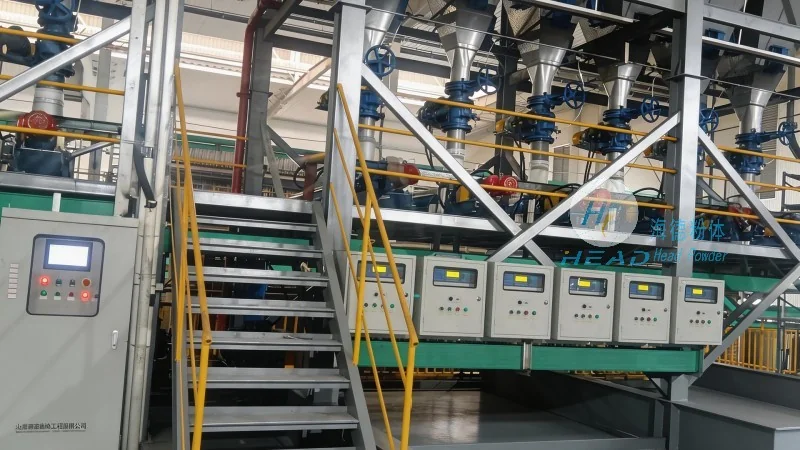
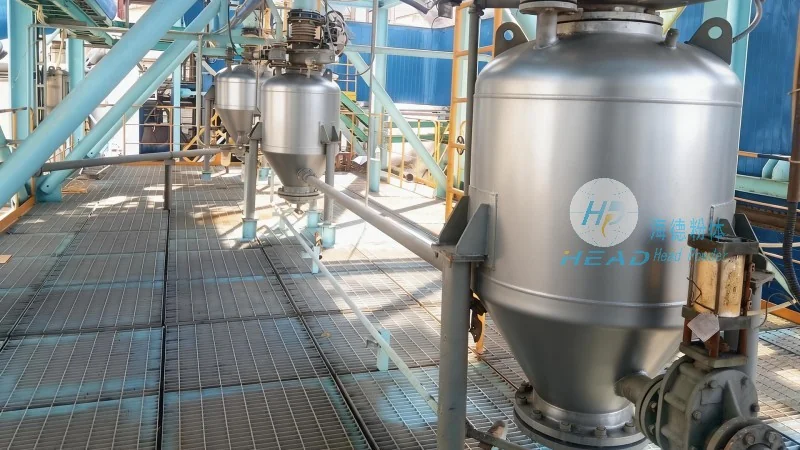
Working Principle of the Stainless Steel Powder Bulk Bag Pneumatic Conveying System
The operation of a stainless steel powder bulk bag pneumatic conveying system involves a systematic sequence of steps that ensure efficient powder transfer. The process begins with the positioning of the bulk bag at the loading station, where the powder is contained within the bag. The system then activates the pneumatic conveying equipment, which introduces air into the system to create a pressure differential. This pressure differential draws the powder from the bulk bag and propels it through the conveying line. The stainless steel construction of the system components, including the hopper, ducts, and valves, is crucial for maintaining product integrity and system durability. The stainless steel material is chosen for its resistance to corrosion, wear, and chemical reactions, ensuring that the system can handle a wide range of powders, including hygroscopic or abrasive materials. The conveying method can be configured as either pressure or vacuum conveying, depending on the specific requirements of the application. In pressure conveying, compressed air is used to push the powder through the system, while vacuum conveying uses a vacuum to pull the powder. The stainless steel components are designed to withstand the abrasive nature of the powder, preventing wear and tear and extending the system's lifespan. The system also incorporates filtration and separation mechanisms to ensure that only the powder is conveyed and that no contaminants are introduced into the process. This ensures that the final product remains pure and meets the required quality standards.
Key Features of the Stainless Steel Powder Bulk Bag Pneumatic Conveying System
Stainless steel powder bulk bag pneumatic conveying systems are characterized by several key features that enhance their performance and reliability. One of the most significant features is the use of stainless steel construction, which provides exceptional corrosion resistance and durability. This material choice ensures that the system can operate in harsh environments and maintain its structural integrity over time. The system is designed to handle a wide variety of powder types, including fine powders, granules, and bulk materials, making it versatile for different industrial applications. The pneumatic conveying method offers gentle handling of the powder, reducing the risk of agglomeration or degradation. This is particularly important for sensitive materials, such as food-grade or pharmaceutical powders, where product quality must be preserved. The system features automated controls, which enable precise regulation of the conveying process. This automation allows for consistent flow rates, preventing overfilling or underfilling, and optimizing operational efficiency. Additionally, the stainless steel construction facilitates easy cleaning and maintenance, ensuring that the system remains hygienic and compliant with industry standards. The bulk bag design allows for convenient loading and unloading, reducing labor costs and minimizing downtime. The system is also equipped with safety features, such as pressure relief valves and overfill protection, to prevent accidents and ensure safe operation. These features make the system suitable for use in industries where safety and product quality are critical, including food processing, pharmaceuticals, and chemicals. The overall design of the system emphasizes efficiency, reliability, and ease of use, making it a preferred choice for industrial material handling.