

Working Principle and Features of Sodium Hexafluorophosphate Powder Pneumatic Conveying System
Understanding the operation of a sodium hexafluorophosphate powder pneumatic conveying system is crucial for industries that rely on efficient material handling. This technology, provided by Shandong HeadPowder Engineering Co., Ltd., a leading manufacturer based in China, offers a reliable solution for transporting fine powders like sodium hexafluorophosphate. The system combines the principles of pneumatic conveying with specialized design elements to ensure safe, efficient, and cost-effective material transport.
Working Principle of the Pneumatic Conveying System
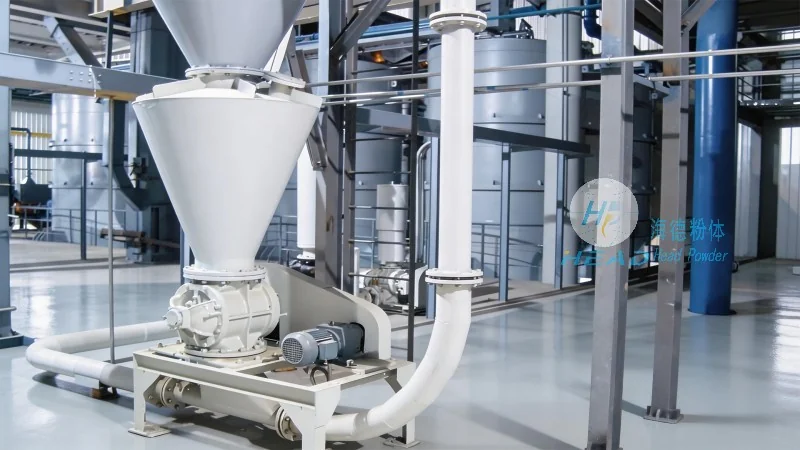
The core of the sodium hexafluorophosphate powder pneumatic conveying system lies in its pneumatic transport mechanism. The system operates by creating a pressure differential between the material source and the destination. A fan or blower generates airflow, which draws the powder particles into the conveying line. The powder is then suspended in the air stream and transported through the pipeline to the discharge point. The process involves several key components, including a hopper for material storage, a rotary valve for controlled discharge, a conveying line with appropriate diameter and length, and a receiver for material collection. The design ensures that the powder is kept in suspension throughout the conveying process, minimizing particle degradation and ensuring consistent flow rates.
Key Features of the System
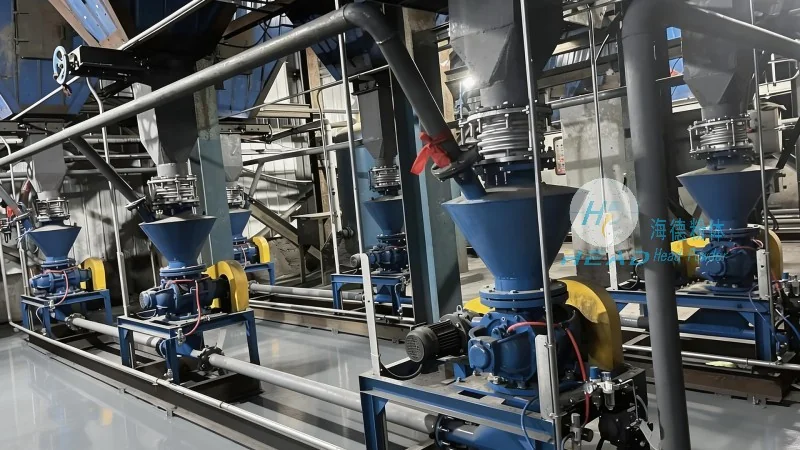
Shandong HeadPowder Engineering Co., Ltd. has integrated several advanced features into their sodium hexafluorophosphate powder pneumatic conveying system to enhance performance and reliability. One of the primary features is the use of a positive pressure system, which maintains a consistent pressure throughout the conveying line, reducing the risk of material blockages and ensuring smooth operation. The system also incorporates a filter and cyclone separator to capture and return any fine particles that may escape during transport, maintaining material purity and preventing contamination. Additionally, the design allows for adjustable airflow and pressure settings, enabling operators to optimize the system for different powder types and conveying distances. The materials used in the construction of the conveying line, such as stainless steel or corrosion-resistant alloys, are chosen to withstand the chemical properties of sodium hexafluorophosphate, ensuring long-term durability and safety. The system also includes safety features like pressure relief valves and emergency shut-off mechanisms to protect against over-pressurization and other potential hazards.
Advantages in Industrial Applications
The sodium hexafluorophosphate powder pneumatic conveying system offers significant advantages for industrial applications. Unlike traditional mechanical conveying methods, which may cause powder degradation or contamination, pneumatic conveying provides a clean and efficient transport solution. The system is particularly suitable for transporting fine powders that are prone to caking or agglomeration, as the air stream keeps the particles in a suspended state, preventing clumping. This ensures consistent material quality and reduces the need for additional processing steps. The system also offers flexibility in terms of layout, as the conveying line can be installed in various configurations, including vertical, horizontal, or inclined orientations, to accommodate different plant layouts. The low maintenance requirements of the system, combined with its high efficiency, make it a cost-effective solution for long-term material handling needs. Additionally, the system's ability to handle large volumes of material at high speeds reduces production downtime and increases overall productivity.
Customization and Integration
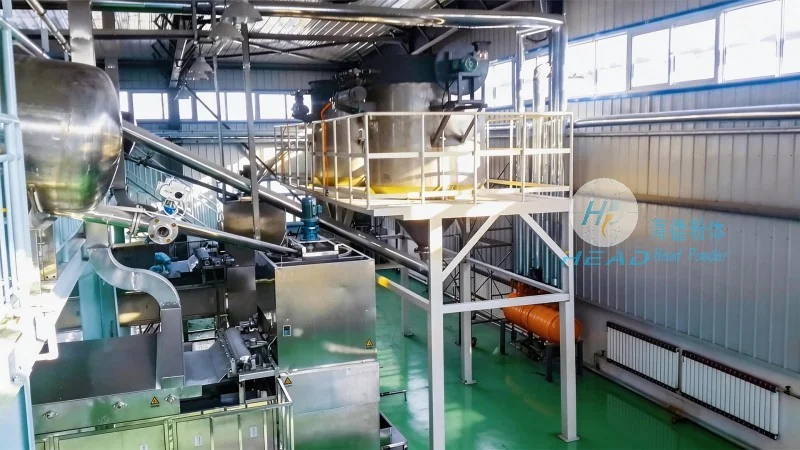
Shandong HeadPowder Engineering Co., Ltd. offers customized solutions tailored to the specific needs of each client. The company works closely with customers to understand their material handling requirements, production volumes, and operational constraints, and then designs a system that meets these specifications. The system can be integrated with existing production lines or new facilities, ensuring seamless operation and minimal disruption. The company also provides technical support and maintenance services to ensure the system operates at optimal performance levels. This includes regular inspections, component replacement, and troubleshooting to address any issues that may arise. The customization options include different conveying line materials, valve types, and control systems, allowing for a tailored solution that fits the unique needs of each application.