

Working Principle and Features of Polysilicon Material Pneumatic Conveying Equipment
Polysilicon material pneumatic conveying equipment is a critical component in the processing and handling of polysilicon, a key raw material in the semiconductor industry. This equipment is designed to efficiently transport polysilicon powder or granules from one location to another within industrial facilities, ensuring high precision and minimal material loss during the transfer process.
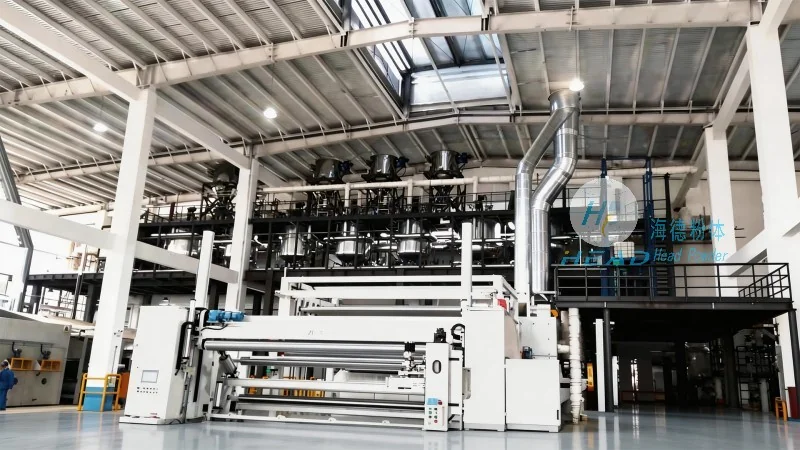
Working Principle of the Equipment
The core working principle of polysilicon material pneumatic conveying equipment revolves around the use of compressed air or other gas to move the material through a pipeline system. The process typically involves several key steps: first, the polysilicon material is fed into a hopper or feeder, where it is then introduced into a conveying line. Compressed air is then introduced into the line, creating a flow that propels the material forward. The equipment may utilize different conveying modes, such as dilute phase or dense phase, depending on the specific requirements of the application. In dilute phase conveying, the material is suspended in the air stream, allowing for high-speed transport over long distances. In contrast, dense phase conveying involves a slower, more controlled flow, which is often used for materials that are more sensitive or require gentler handling.
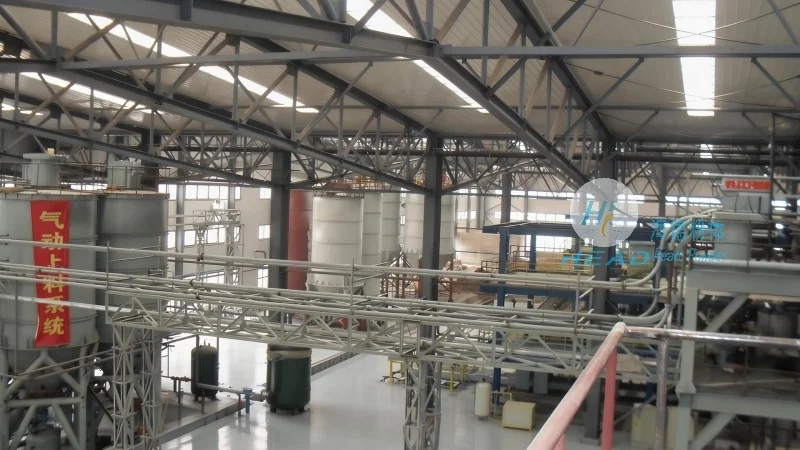
Key Features of the Equipment
Polysilicon material pneumatic conveying equipment from Shandong HeadPowder Engineering Co., Ltd. is characterized by several advanced features that enhance its performance and reliability. One of the primary features is its high efficiency in material transport, which minimizes downtime and increases overall productivity in industrial operations. The equipment is also designed with precision control systems that allow for accurate regulation of the conveying rate, ensuring consistent material flow and reducing the risk of overloading or underloading the system. Additionally, the equipment incorporates robust materials of construction, such as stainless steel or specialized alloys, to withstand the corrosive and abrasive nature of polysilicon material, thereby extending its service life and reducing maintenance costs. Another notable feature is its compact design, which optimizes space utilization in industrial facilities and facilitates easy integration with existing processing lines. The equipment also includes safety features, such as pressure relief valves and overfill protection, to prevent accidents and ensure operational safety.
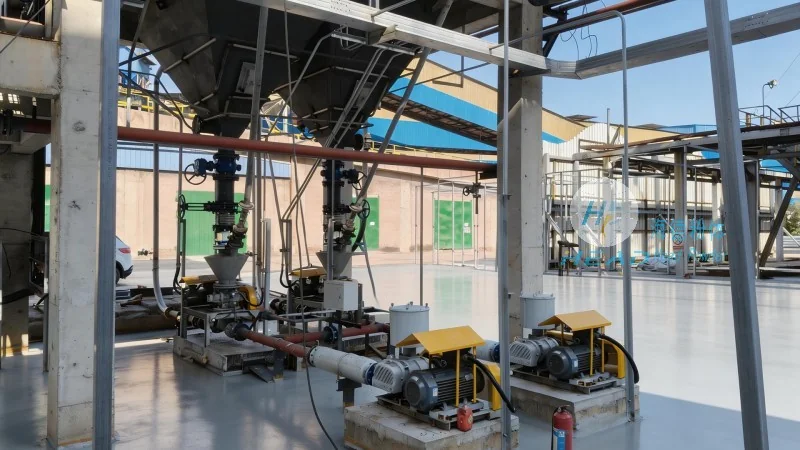
Applications and Benefits
The equipment is widely used in various applications within the polysilicon production and processing industry. It is commonly employed in the transfer of polysilicon from storage silos to reactors, as well as in the movement of material between different processing stages, such as grinding, classification, and purification. The benefits of using this equipment include improved process efficiency, reduced material handling costs, and enhanced product quality through minimized contamination and loss. Furthermore, the equipment's ability to handle fine powders without clogging or blockages makes it ideal for applications where material integrity is critical. The consistent and reliable performance of the equipment also contributes to better process control and reduced variability in the final product.
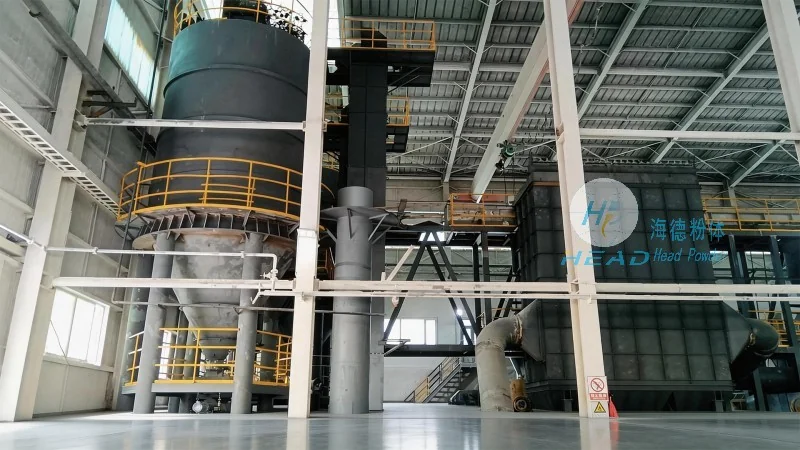
Company Overview
Shandong HeadPowder Engineering Co., Ltd. is a leading manufacturer of specialized engineering equipment for the powder and bulk material handling industry. With a strong focus on innovation and quality, the company has developed a range of advanced pneumatic conveying solutions tailored to meet the specific needs of various industrial sectors, including the semiconductor industry. The company's commitment to research and development ensures that its products are equipped with the latest technologies and features, providing customers with reliable and efficient solutions for their material handling challenges. HeadPowder's expertise in material flow dynamics and process optimization has enabled the company to design equipment that not only meets but exceeds industry standards, delivering superior performance and durability.