

Principle and Working Scene Characteristics of Pneumatic Conveying Systems for Lithium-Ion Battery A
HeadPowder, a leading engineering company based in Shandong, China, specializes in the design and implementation of advanced material handling solutions. This article focuses on the pneumatic conveying systems specifically tailored for lithium-ion battery anode material materials, exploring their operational principles and typical application scenarios.
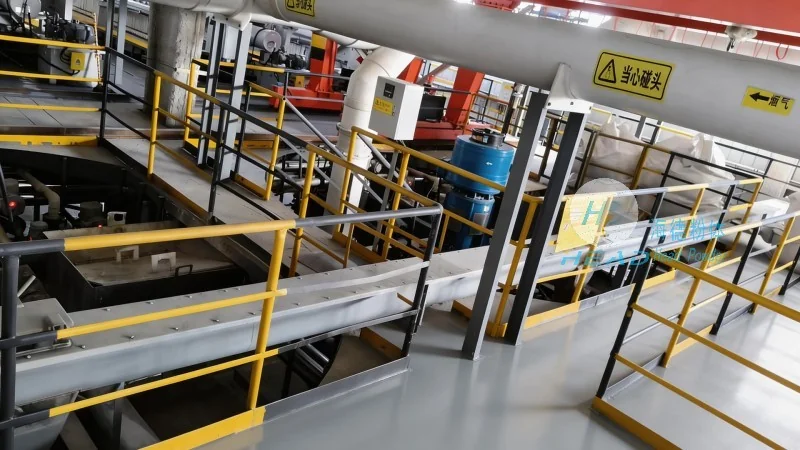
Understanding Pneumatic Conveying Systems for Lithium-Ion Battery Anode Materials
Pneumatic conveying systems are critical components in the processing and transportation of anode materials used in lithium-ion batteries. These systems utilize air or other gases to transport bulk materials from one location to another, offering a highly efficient and flexible method compared to traditional mechanical conveying methods. The core principle involves creating a pressure differential to move the material through a pipeline network. In positive pressure systems, compressed air is introduced at the material inlet, pushing the material forward. Conversely, negative pressure systems draw material into the system using a vacuum at the discharge end. This approach allows for precise control over material flow rates, ensuring consistent and reliable delivery of anode powders.
Key Working Scene Characteristics of Pneumatic Conveying Systems
The application of pneumatic conveying systems in lithium-ion battery anode material processing is defined by several key characteristics that enhance operational efficiency and material integrity. One primary advantage is the ability to handle fine powders and granules with minimal degradation, which is crucial for maintaining the quality of anode materials. The systems are designed to minimize material attrition and contamination, preserving the chemical and physical properties essential for battery performance. Additionally, these systems offer flexibility in layout, allowing for integration into existing production lines without extensive modifications. This adaptability is particularly valuable in manufacturing environments where space constraints and process flow optimization are critical.
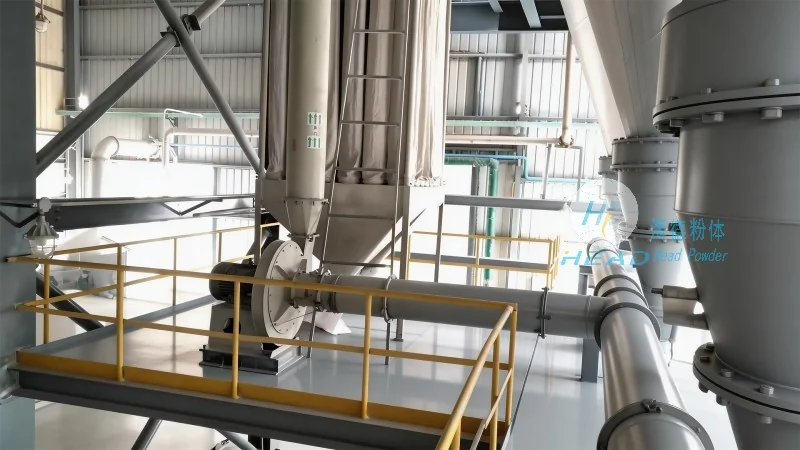
Operational Efficiency and Process Integration in Lithium-Ion Battery Production
Within the lithium-ion battery manufacturing workflow, pneumatic conveying systems play a pivotal role in streamlining material handling processes. By automating the movement of anode materials from storage silos to processing equipment, such as mixers and extruders, these systems reduce manual labor and improve overall production throughput. The consistent and controlled delivery of materials ensures that downstream processes operate at optimal efficiency, minimizing downtime and waste. Furthermore, the systems are engineered to handle varying material properties, including different particle sizes and moisture content, making them versatile for diverse anode material formulations. This adaptability is essential as battery technology evolves, requiring new material compositions and processing methods.
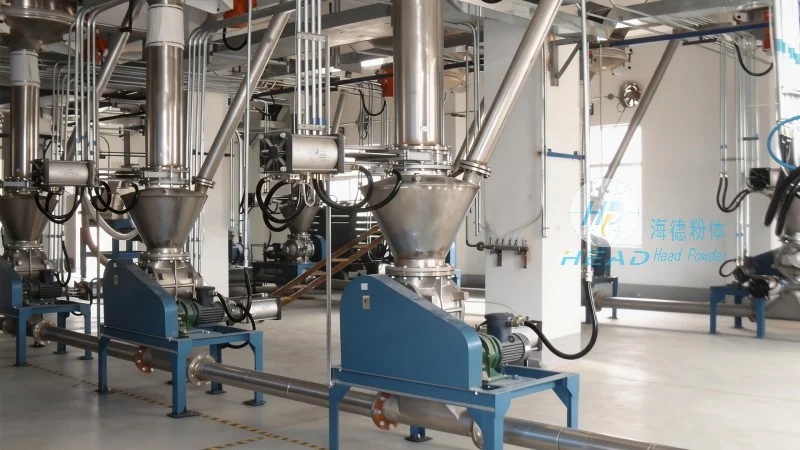
Material Handling Challenges and Solutions in Anode Material Processing
The processing of lithium-ion battery anode materials presents unique challenges, such as the need for precise control over material flow and the prevention of dust generation. Pneumatic conveying systems address these challenges through advanced design features, including dust collection and filtration systems. These components ensure that the material is handled in a controlled environment, reducing the risk of environmental contamination and improving workplace safety. The systems also incorporate monitoring and control technologies that allow operators to adjust parameters in real-time, responding to changes in material characteristics or system performance. This proactive approach enhances system reliability and extends equipment lifespan, contributing to long-term operational cost savings.
Conclusion: The Role of Pneumatic Conveying Systems in Modern Lithium-Ion Battery Manufacturing
In conclusion, pneumatic conveying systems are indispensable tools for the efficient and reliable handling of lithium-ion battery anode materials. Developed by HeadPowder, these systems combine advanced engineering principles with practical application knowledge to meet the demanding requirements of modern battery production. By leveraging the benefits of air-based material transport, manufacturers can enhance process efficiency, maintain material quality, and adapt to evolving technological needs. As the lithium-ion battery industry continues to grow, the importance of robust material handling solutions like pneumatic conveying systems will only increase, ensuring that production remains both efficient and sustainable.