

Principle and Working Scene Characteristics of Positive Pressure Blowing Type Bulk Material Pneumati
Positive pressure blowing type bulk material pneumatic conveying equipment is a key industrial device used for the efficient transport of bulk materials over long distances or within complex production environments. This technology, widely adopted in various industries, offers a flexible and effective solution for material handling challenges. The following content will explore the fundamental principles of this equipment and its typical working scene characteristics, providing insights into its operational advantages and practical applications.
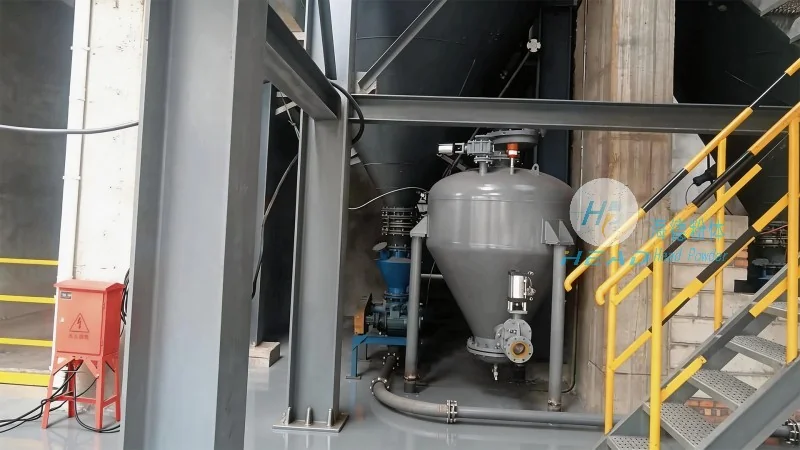
Introduction to Positive Pressure Blowing Type Pneumatic Conveying Systems
At the core of positive pressure blowing type pneumatic conveying systems is the use of compressed air to create a pressure differential that propels bulk materials through a pipeline network. Unlike negative pressure systems, which rely on suction to draw materials into the system, positive pressure systems generate a higher pressure within the conveying line, ensuring that materials are pushed forward with consistent force. This approach is particularly effective for transporting dry, free-flowing materials such as powders, granules, and small particles, making it suitable for applications in pharmaceuticals, food processing, chemical manufacturing, and other industries where material integrity and contamination control are critical.
Working Principle of Positive Pressure Blowing Type Equipment
The operation of positive pressure blowing type pneumatic conveying equipment involves several key components and processes. The system typically includes a material feeder, a positive pressure blower or compressor, a conveying pipeline, and a discharge device. The process begins with the material being fed into the system, often through a hopper or feeder that ensures a consistent flow rate. The positive pressure blower then supplies compressed air at a controlled pressure, which mixes with the material and creates a slurry-like mixture. This mixture is then propelled through the pipeline by the pressure differential, moving from the inlet to the outlet. The discharge device at the end of the pipeline separates the material from the air, allowing the material to be deposited in the desired location while the air is typically filtered and recycled back into the system to conserve energy and reduce waste.
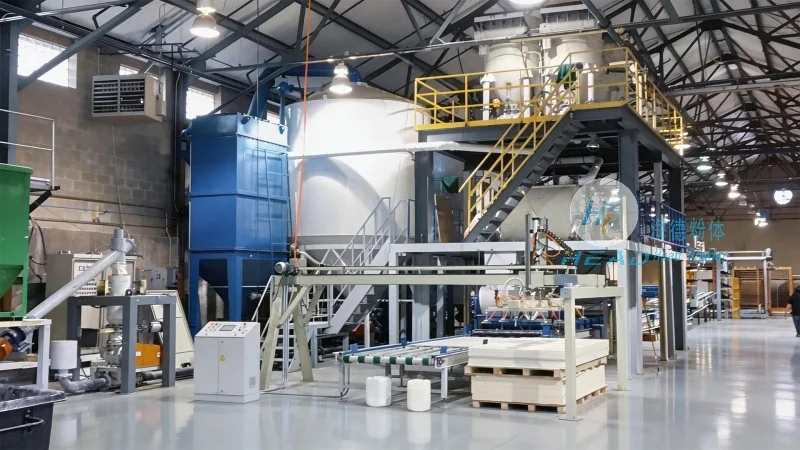
Key Working Scene Characteristics
Positive pressure blowing type pneumatic conveying equipment is characterized by several distinct working scene features that make it well-suited for specific industrial applications. One of the primary advantages is its ability to handle long-distance transport, as the pressure can be maintained throughout the entire pipeline length, ensuring consistent material flow even over several hundred meters. This makes it ideal for factories or plants where material needs to be moved between different production stages or storage areas. Additionally, the system is highly adaptable to complex layouts, as the pipeline can be installed in various configurations, including vertical, horizontal, or even inclined paths, without compromising performance. The positive pressure approach also provides better control over material handling, as the pressure can be adjusted to match the specific characteristics of the material being conveyed, such as its density, moisture content, or flowability. This adaptability allows for efficient operation across a wide range of materials, from fine powders to larger granules.
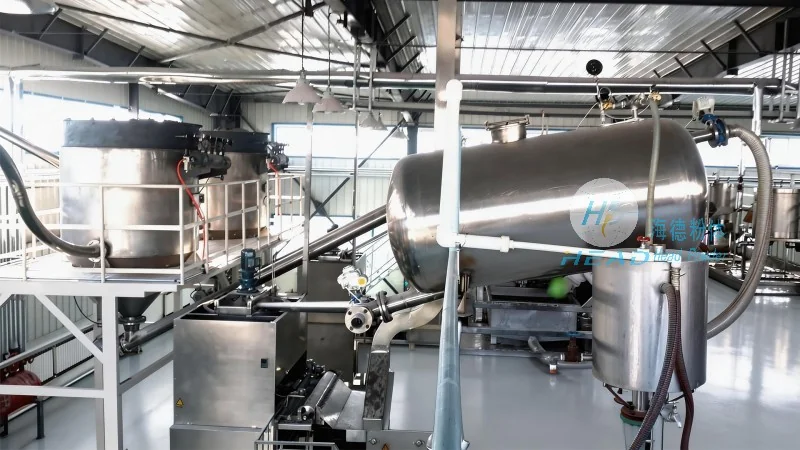
Applications and Operational Advantages
The working scene characteristics of positive pressure blowing type pneumatic conveying equipment translate into significant operational advantages for industrial users. For instance, the system offers high efficiency in material transport, as it can move large volumes of material quickly and with minimal labor intervention. This is particularly beneficial in high-volume production environments where continuous material flow is essential for maintaining production rates. Furthermore, the positive pressure system reduces the risk of material degradation or contamination, as the material is enclosed within the pipeline and is not exposed to external air or contaminants. This is crucial in industries such as pharmaceuticals and food processing, where product purity is paramount. Another advantage is the energy efficiency of the system, as the compressed air can be recycled and reused, reducing energy consumption and operational costs. The system also provides flexibility in terms of material handling, as it can be easily integrated with existing production lines or modified to accommodate changes in production requirements.
Conclusion and Company Information
Positive pressure blowing type bulk material pneumatic conveying equipment represents a reliable and efficient solution for material handling in various industrial sectors. Its working principle, based on positive pressure and controlled air flow, enables effective transport of bulk materials with minimal disruption to production processes. The working scene characteristics, including long-distance transport capability, adaptability to complex layouts, and material control, make it a preferred choice for many industries. As a leading provider of such equipment, Shandong HeadPowder Engineering Co., Ltd. specializes in designing and manufacturing high-quality positive pressure blowing type pneumatic conveying systems tailored to the specific needs of its clients. With a focus on innovation and customer satisfaction, HeadPowder delivers solutions that enhance operational efficiency and ensure the integrity of materials being transported. Based in Shandong, China, the company leverages its expertise to meet the diverse demands of the industrial market, providing reliable and durable equipment that meets international standards.