

Principle and Working Scene Characteristics of Cereal Material Pneumatic Conveying Equipment
HeadPowder, a leading engineering company based in Shandong, China, specializes in the design and manufacturing of advanced pneumatic conveying systems tailored for handling cereal materials. These systems are engineered to efficiently transport bulk materials like cereals, grains, and related products through an air-driven process, offering a reliable and efficient solution for various industrial applications. The company's expertise in material handling technology ensures that their equipment meets the highest standards of performance, durability, and safety, making it a trusted choice for businesses in the food processing, agricultural, and related industries.
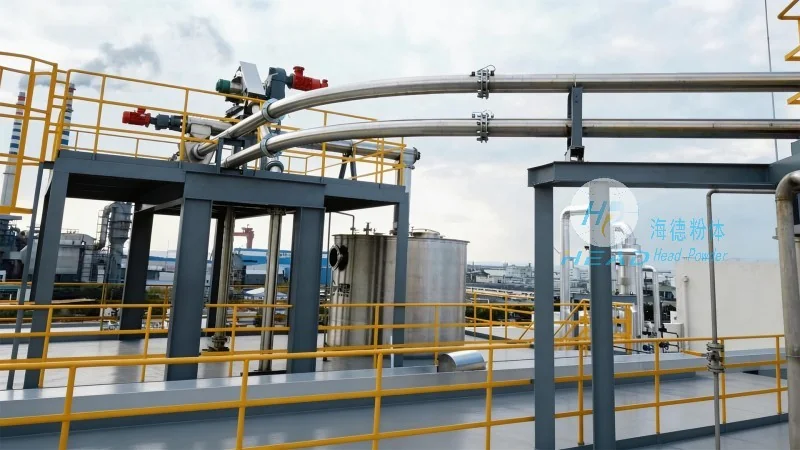
The Working Principle of Pneumatic Conveying Systems
Pneumatic conveying equipment operates on the fundamental principle of using compressed air or gas to move bulk materials through a pipeline network. The process typically involves a hopper or feeder that feeds the material into a conveying line, where it is propelled by the force of the air flow. There are two primary types of pneumatic conveying systems: dilute-phase and dense-phase. Dilute-phase systems use high-velocity air (typically 20-30 m/s) to transport materials in a suspended state, suitable for short to medium distances (up to several hundred meters) and low to medium material loads (up to several tons per hour). In this system, the material is carried in a cloud of air, minimizing friction and allowing for smooth transport. Dense-phase systems, on the other hand, use lower air velocities (5-15 m/s) and higher material concentrations, creating a slurry-like mixture that moves through the pipeline. This method is ideal for longer distances (up to several kilometers) and handling more abrasive or sensitive materials, as it reduces the risk of material degradation and equipment wear. The choice between these systems depends on the specific characteristics of the cereal material, such as particle size (ranging from fine powders to coarse grains), moisture content, and flowability, as well as the required conveying distance and throughput. For instance, fine cereal powders like flour are often transported using dilute-phase systems due to their light weight and low flowability, while larger grains like wheat or corn may be handled with dense-phase systems for longer distances and higher loads.
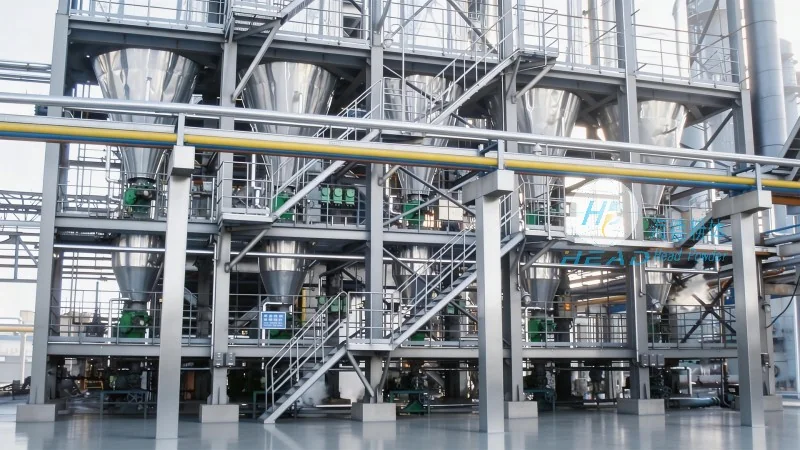
Key Components of Cereal Material Pneumatic Conveying Equipment
The core components of a pneumatic conveying system for cereal materials include the hopper or feeder, the conveying line (usually made of stainless steel or other corrosion-resistant materials to prevent contamination and ensure durability), the air compressor or blower, and the control system. The hopper is designed to store and feed the material into the system, often equipped with a rotary valve or screw feeder to regulate the flow rate. The conveying line is typically a series of pipes connected to the hopper and the discharge point, with appropriate bends and elbows to guide the material along the path. The air compressor provides the necessary pressure (usually 0.5-1.0 MPa) and volume of air to move the material, and the control system monitors and adjusts the air flow and material feed to maintain optimal operation. The control system may include sensors to detect material levels, air pressure, and flow rates, ensuring that the system operates within safe and efficient parameters. Additionally, filters and cyclones may be included in the system to separate the material from the air and prevent dust accumulation, ensuring a clean and efficient operation. For example, a cyclone separator can be used to collect the cereal material from the air stream, while a bag filter can remove fine dust particles, preventing them from being released into the environment. The use of these components not only improves the efficiency of the conveying process but also enhances the safety and hygiene of the workplace.
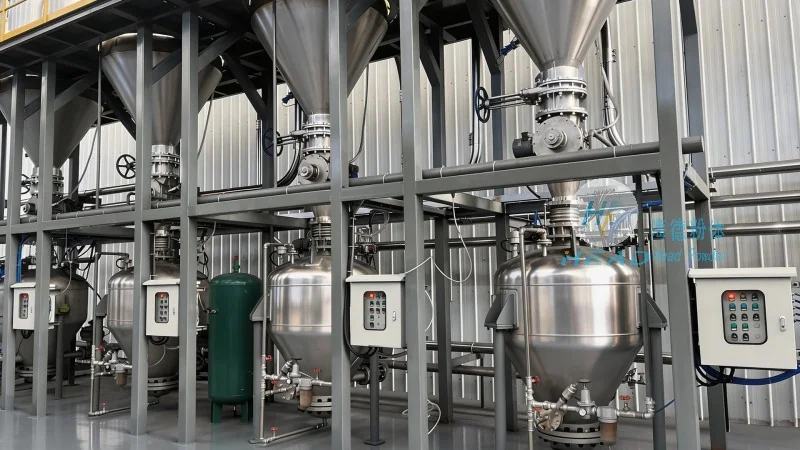
Working Scene Characteristics and Applications
The working scene characteristics of cereal material pneumatic conveying equipment are tailored to meet the specific demands of different industrial environments. For example, in food processing facilities, the equipment is designed to maintain strict hygiene standards, with stainless steel components and sealed systems to prevent contamination and ensure food safety. This is crucial in industries such as bakery, cereal manufacturing, and grain processing, where product quality and consumer safety are paramount. The systems are often equipped with sanitary fittings and easy-to-clean surfaces, allowing for regular maintenance and cleaning to meet regulatory requirements. In agricultural storage and handling operations, the systems are built to handle large volumes of grains and cereals, with robust construction to withstand heavy usage and varying environmental conditions. These systems are typically installed in grain elevators, silos, and storage facilities, where they help move bulk materials from storage to processing or shipping areas. The working scene also includes considerations for material handling efficiency, such as minimizing downtime and maximizing throughput, as well as energy efficiency, with optimized air flow and compressor settings to reduce operational costs. The versatility of pneumatic conveying systems allows them to be applied in various settings, from small-scale operations in local bakeries and cereal mills to large-scale industrial facilities in grain processing and storage. For instance, a small bakery might use a pneumatic conveying system to transport flour from a storage silo to the mixing area, while a large grain processing plant might use multiple systems to handle different types of cereals and transport them to various processing units or storage silos.