

Principle and Working Scene Characteristics of Bulk Material Handling Equipment for Ship Loading and
Efficient and reliable bulk material handling is a critical component of modern maritime logistics, and the equipment used for loading and unloading operations plays a pivotal role in ensuring smooth and safe cargo transfer. In this context, the principle and working scene characteristics of pneumatic conveying equipment for ship operations are essential to understand for both industry professionals and potential clients seeking advanced solutions for their material handling needs.
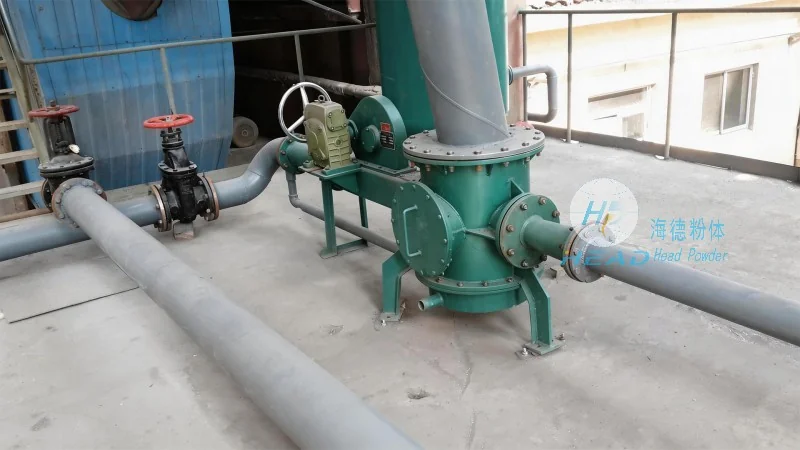
Overview of Pneumatic Conveying Equipment for Ship Loading and Unloading
Shandong HeadPowder Engineering Co., Ltd., a leading manufacturer in the field, specializes in the design, development, and production of high-quality pneumatic conveying systems tailored for ship-to-shore and shore-to-ship material transfer. The company's equipment is engineered to meet the demanding requirements of various bulk materials, including grains, powders, and other granular substances, ensuring optimal performance under diverse operational conditions.
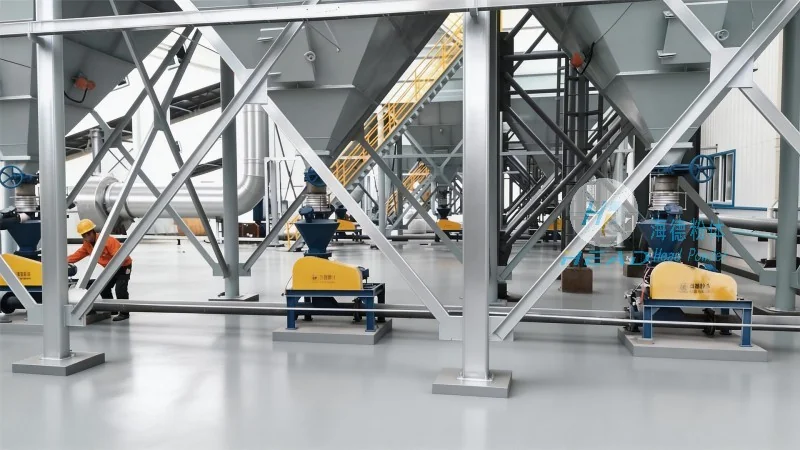
The Working Principle of Pneumatic Conveying Systems
The core principle of pneumatic conveying equipment involves the use of air or gas to transport bulk materials through a pipeline system. This method eliminates the need for mechanical components such as belts or buckets, reducing maintenance costs and increasing operational efficiency. The system typically consists of a hopper for material storage, a conveyor line, and a discharge point at the receiving end. By creating a pressure differential or using vacuum, the material is drawn or pushed through the pipeline, allowing for continuous and automated material transfer. The technology can be categorized into two main types: positive pressure systems, which use compressed air to push material forward, and negative pressure (or vacuum) systems, which use suction to draw material into the line. Both systems are designed to handle different material properties and operational scales, providing flexibility in application.
Key Working Scene Characteristics
The working scene characteristics of pneumatic conveying equipment for ship loading and unloading are influenced by several factors, including the type of material, the scale of operation, and the environmental conditions. For instance, the equipment must be capable of handling large volumes of material quickly to meet the high throughput demands of modern ports. Additionally, the system needs to be robust enough to withstand the harsh marine environment, including exposure to saltwater, humidity, and temperature fluctuations. The design also considers the need for minimal material degradation, ensuring that the conveyed material remains in its original state, which is crucial for sensitive products like food grains or pharmaceutical powders. Furthermore, the equipment must comply with safety regulations and standards, incorporating features such as explosion-proof designs and emergency shut-off mechanisms to prevent accidents and ensure operator safety.
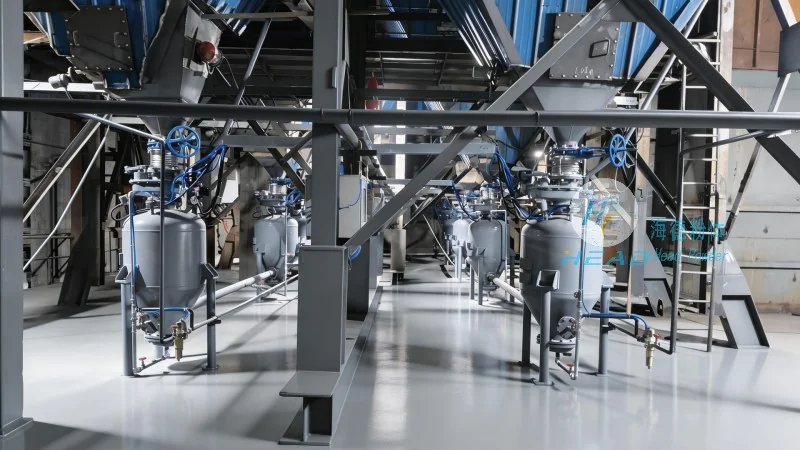
Application Scenarios and Operational Advantages
Shandong HeadPowder Engineering Co., Ltd.'s pneumatic conveying systems are widely used in various working scenes, including bulk cargo terminals, grain elevators, and industrial plants involved in maritime logistics. In these scenarios, the equipment offers several operational advantages over traditional methods. Firstly, it provides a dust-free and hygienic transfer process, which is essential for materials that require strict quality control, such as food and pharmaceutical products. Secondly, the system reduces labor costs by automating the material handling process, allowing for 24/7 operation without the need for constant manual intervention. Thirdly, the equipment is highly adaptable, with the ability to integrate with existing infrastructure and expand to accommodate future growth in cargo volume. The company's products are also designed with energy efficiency in mind, utilizing advanced control systems to optimize air usage and reduce operational costs. These advantages make the pneumatic conveying equipment an ideal solution for modern maritime operations, enhancing productivity and ensuring compliance with industry standards.