

Principle and Working Scene Characteristics of Silicomanganese Material Pneumatic Conveying Equipmen
HeadPowder, a leading engineering firm based in Shandong, China, specializes in the design and manufacturing of advanced pneumatic conveying systems tailored for handling silicomanganese materials. This article delves into the fundamental principles of such equipment and highlights the key characteristics of its operational environments.
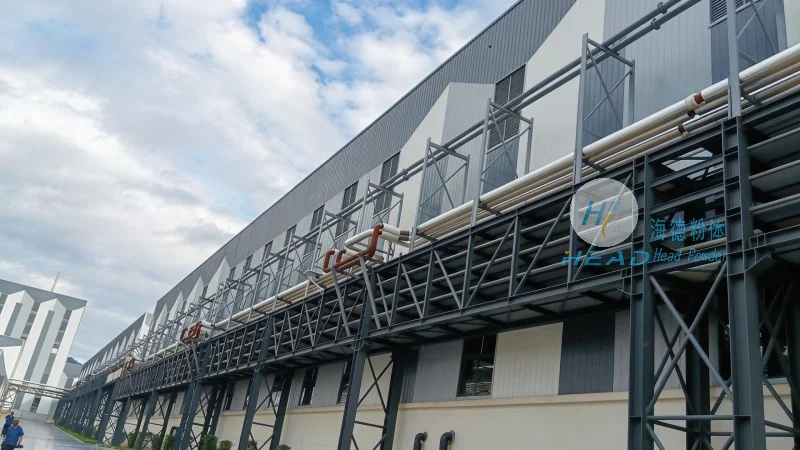
Introduction to Silicomanganese Material Pneumatic Conveying Systems
Silicomanganese is a critical alloy used extensively in steel production, characterized by its high carbon and silicon content. The efficient and safe transport of this material from storage to processing units is essential for maintaining production efficiency and minimizing operational risks. Pneumatic conveying systems offer a solution by utilizing air or gas to move the material through a pipeline network, eliminating the need for mechanical components that might cause contamination or wear.
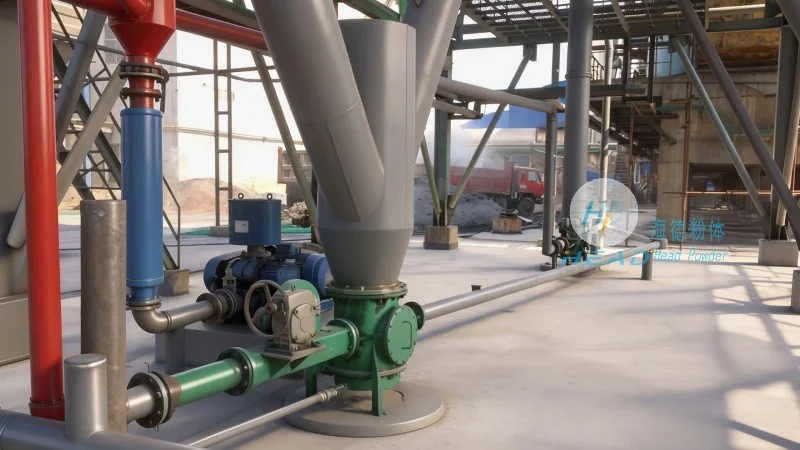
The Core Principle of Pneumatic Conveying for Silicomanganese
The fundamental principle of pneumatic conveying involves creating a pressure differential within a pipeline system. Air is introduced into the conveying line, either by a positive displacement blower or a rotary lobe pump, generating sufficient velocity to entrain the silicomanganese particles. The equipment typically includes a hopper for material storage, a feeder to control the flow rate, and a conveying line that transports the material to the destination point, such as a furnace or storage silo. The design of the system must account for the specific properties of silicomanganese, including its particle size distribution, moisture content, and abrasiveness, to ensure optimal performance and longevity.
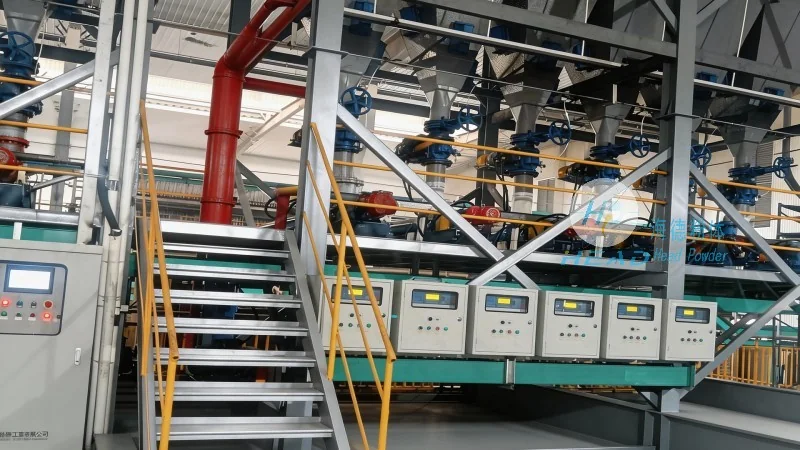
Key Working Scene Characteristics of Silicomanganese Pneumatic Conveying Equipment
The operational environment of silicomanganese pneumatic conveying systems is influenced by several factors that impact system design and performance. Firstly, the material's abrasive nature requires the use of high-quality, wear-resistant components, such as stainless steel or special alloys, to prevent premature wear and maintain system integrity. Secondly, the presence of moisture in the silicomanganese can lead to caking or blockages, necessitating the integration of drying or conditioning equipment to ensure consistent flow. Thirdly, the high temperature of the material during processing may require the use of heat-resistant materials and insulation in the conveying line to prevent heat loss and maintain material temperature. Additionally, the system must be designed to handle varying flow rates and material loads, ensuring stable operation under different production conditions.
Application Scenarios and Operational Benefits
Silicomanganese pneumatic conveying systems are widely used in industrial settings, particularly in steel mills and alloy production facilities. The primary application is the transport of silicomanganese from raw material storage to the melting furnaces, where it is used as a deoxidizer and alloying agent. The benefits of using such systems include improved safety by eliminating manual handling of heavy and potentially hazardous materials, enhanced efficiency through automated material transport, and reduced maintenance costs due to the absence of mechanical parts that require regular replacement. Furthermore, the system's ability to handle large volumes of material with minimal space requirements makes it an ideal solution for modern industrial operations.
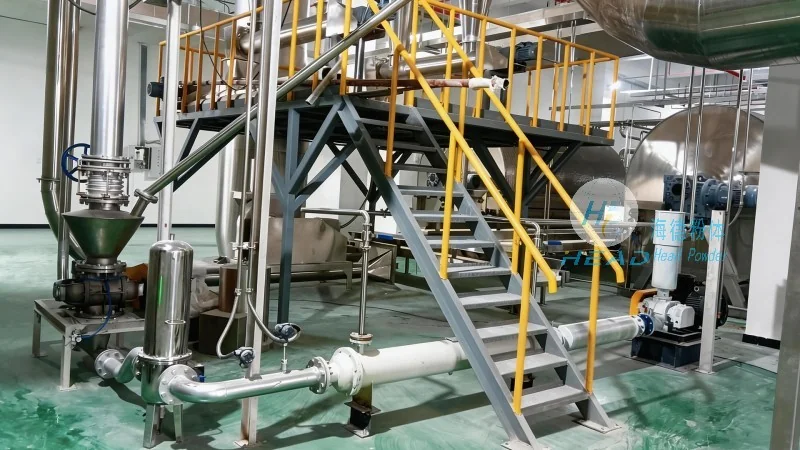
Conclusion and Company Overview
HeadPowder Engineering Co., Ltd., with its headquarters in Shandong, China, has established itself as a trusted provider of pneumatic conveying solutions for silicomanganese applications. By combining advanced engineering principles with a deep understanding of material properties, the company designs and manufactures systems that meet the specific needs of its clients. The principles and characteristics discussed in this article underscore the importance of a well-designed pneumatic conveying system in optimizing silicomanganese handling processes, ultimately contributing to increased productivity and operational reliability in industrial settings.