

Principle and Working Scene Characteristics of Air-Pneumatic Conveying Equipment for Sponge Sand Mat
HeadPowder, a leading engineering firm based in Shandong, China, specializes in the design and manufacturing of advanced air-pneumatic conveying systems tailored for handling diverse bulk materials, including sponge sand. This article delves into the fundamental principles governing such equipment and highlights the key characteristics of its operational environments, providing a comprehensive overview for industry professionals seeking efficient material handling solutions.
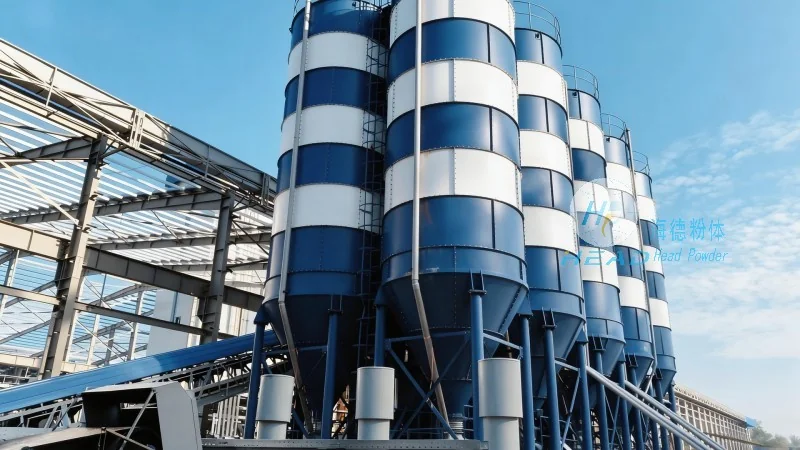
Understanding the Core Principle of Air-Pneumatic Conveying for Sponge Sand
The air-pneumatic conveying equipment for sponge sand operates on the principle of transporting bulk materials through a pipeline using a pressurized or vacuumed air stream. This method eliminates the need for mechanical components like belts or buckets, offering a more hygienic and low-maintenance solution for handling fine to medium-sized particles. The system typically consists of a hopper, a conveyor line, and a control unit. When the system is activated, air is introduced into the pipeline, creating a flow that lifts and propels the sponge sand particles. The velocity and pressure of the air are carefully controlled to ensure optimal particle suspension and minimal degradation of the material. This principle allows for efficient, dust-free, and continuous transport of sponge sand from storage to processing or packaging areas.
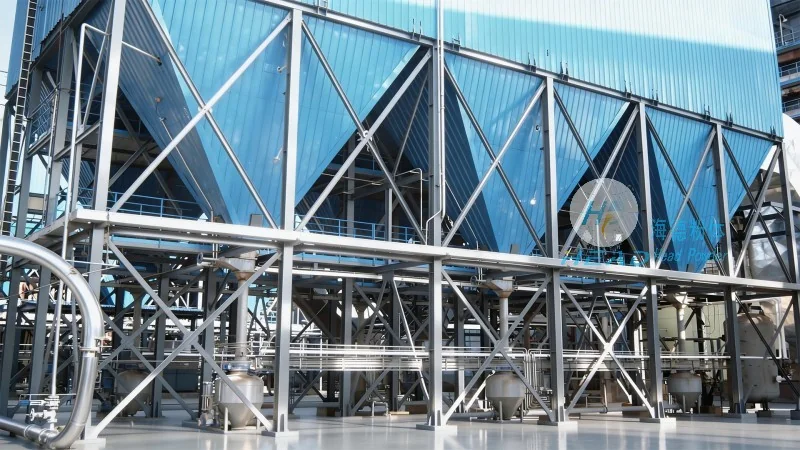
Key Working Scene Characteristics and Application Environments
The operational characteristics of air-pneumatic conveying equipment for sponge sand are closely tied to the specific industrial settings where it is deployed. These environments often require high throughput and precise control over material flow, making the equipment suitable for applications in construction material production, foundries, and specialized sand processing facilities. In construction material plants, for instance, the equipment efficiently transfers sponge sand from raw material storage to mixing and molding stations, ensuring consistent quality and reduced downtime. In foundries, the system handles the transport of sand from blending areas to molding machines, supporting the production of castings with uniform properties. The equipment's ability to operate in both positive and negative pressure modes provides flexibility, allowing it to adapt to different stages of the production process, such as material feeding and waste removal. Additionally, the enclosed pipeline design minimizes dust emissions, which is critical in maintaining a clean and safe working environment, especially in facilities where air quality regulations are stringent.
Advantages and Operational Efficiency in Handling Sponge Sand
When evaluating air-pneumatic conveying equipment for sponge sand, several advantages stand out, contributing to its widespread adoption in industrial applications. Firstly, the system offers a dust-free operation, which enhances workplace safety and compliance with environmental regulations. Unlike traditional belt conveyors, which generate significant dust and require extensive dust control measures, air-pneumatic systems keep the material contained within the pipeline, reducing the risk of respiratory issues among workers. Secondly, the equipment provides high efficiency in terms of material throughput, with the ability to transport large volumes of sponge sand over long distances without the need for intermediate storage or manual handling. This continuous operation minimizes bottlenecks and improves overall production line productivity. Thirdly, the low maintenance requirements of air-pneumatic systems reduce operational costs over time. The absence of moving parts like belts or chains means fewer mechanical failures and lower repair expenses. Furthermore, the system's adaptability allows for easy integration with existing production lines, making it a cost-effective upgrade for facilities looking to enhance their material handling capabilities. The combination of these advantages makes air-pneumatic conveying an ideal solution for industries dealing with sponge sand, balancing performance, safety, and cost-effectiveness.
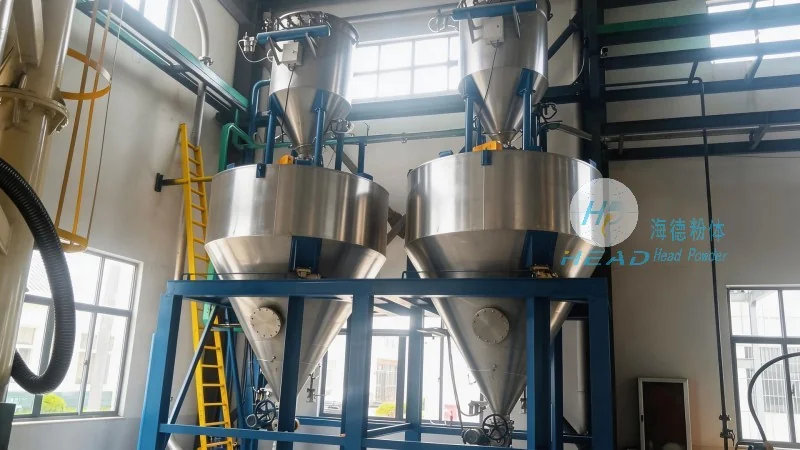
Conclusion on the Role of Air-Pneumatic Conveying Equipment in Sponge Sand Processing
In conclusion, the air-pneumatic conveying equipment developed by HeadPowder exemplifies a sophisticated approach to handling sponge sand materials. By leveraging the principles of pneumatic transport, the system addresses the unique challenges associated with processing fine, lightweight particles, such as maintaining material integrity and ensuring efficient transport. The operational characteristics, including its adaptability to different pressure modes and its ability to operate in clean, enclosed environments, make it a versatile solution for various industrial applications. As industries continue to seek more efficient and sustainable material handling solutions, the air-pneumatic conveying equipment for sponge sand remains a reliable choice, supported by the expertise and engineering capabilities of Shandong HeadPowder Engineering Co., Ltd. from China.