

Principle and Working Scene Characteristics of Potato Material Pneumatic Conveying Machine
For agricultural and food processing industries, efficient and reliable material handling is crucial. Among various technologies, pneumatic conveying systems have become a preferred solution for transporting bulk materials like potatoes. This article explores the principle and working scene characteristics of potato material pneumatic conveying machines, highlighting their operational efficiency and practical applications.
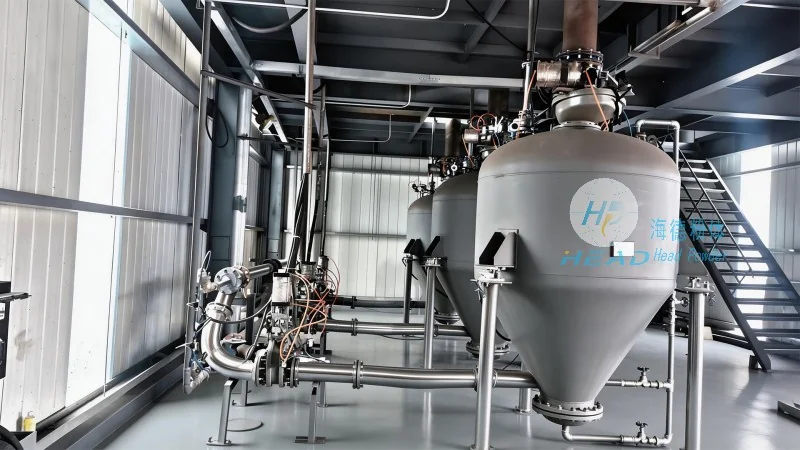
Introduction to Pneumatic Conveying for Potato Materials
Pneumatic conveying systems utilize air or gas to transport solid materials through a pipeline. In the context of potato processing, these systems are designed to handle the unique characteristics of potato tubers, such as their size, moisture content, and susceptibility to bruising. The technology offers advantages over traditional methods like belt conveyors or bucket elevators, including reduced product damage, lower labor costs, and improved hygiene standards. As a leading manufacturer in this field, Shandong HeadPowder Engineering Co., Ltd. specializes in developing customized pneumatic conveying solutions tailored to the specific needs of potato processing facilities.
The Core Principle of Pneumatic Conveying
The fundamental principle of pneumatic conveying involves creating a pressure differential within a pipeline to move material. There are two main types of pneumatic conveying: pressure and vacuum systems. Pressure systems use compressed air to push material forward, while vacuum systems create a negative pressure to draw material into the pipeline. For potato materials, a combination of these systems or a dedicated pressure design is often employed to ensure smooth and consistent flow. The system typically includes a hopper for material storage, a feeder to control the flow rate, a conveying line, and a discharge point. The air velocity and pressure are carefully controlled to prevent material degradation and ensure efficient transport.
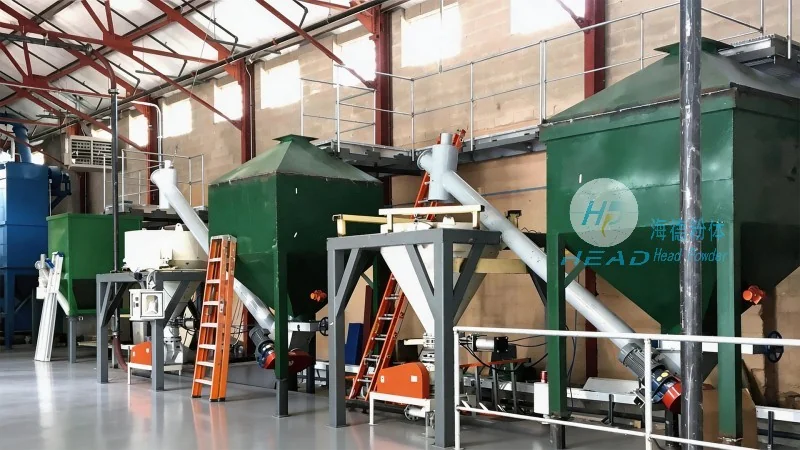
Key Components and Their Functions
Several critical components make up a potato material pneumatic conveying system. The hopper serves as the storage container, allowing for continuous feeding of potatoes. The feeder, often a rotary valve or a screw feeder, regulates the material flow into the conveying line. The conveying line itself is usually made of stainless steel or other corrosion-resistant materials to withstand the acidic environment of potatoes and prevent contamination. The air compressor or vacuum pump provides the necessary air pressure or vacuum to move the material. Additionally, filters and cyclones are used to separate the material from the air stream, ensuring clean air and preventing dust accumulation. Each component is designed to work in harmony to achieve optimal performance and longevity.
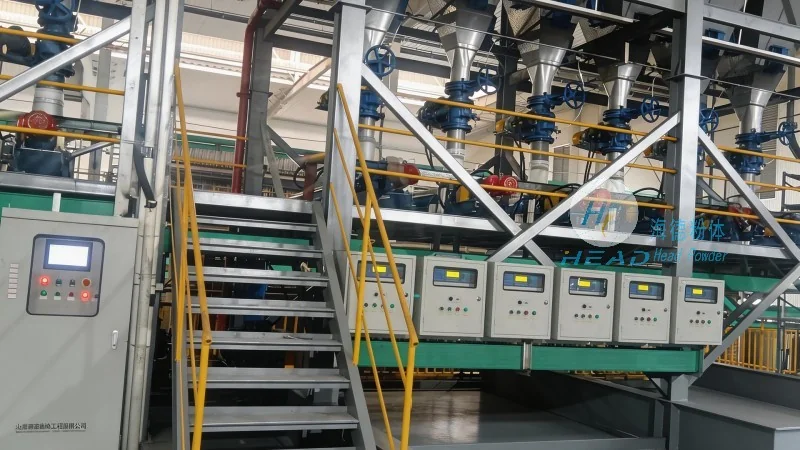
Working Scene Characteristics and Applications
The working scene characteristics of potato material pneumatic conveying machines vary based on the specific application. In large-scale potato processing plants, these systems are used for transporting potatoes from storage silos to washing and peeling lines. They are also employed in the post-processing stage to move processed potatoes to packaging units. The systems are particularly suitable for environments where product contamination and damage must be minimized, such as in food processing facilities. The flexibility of pneumatic conveying allows it to handle different potato varieties and sizes, making it a versatile solution for various processing stages. Additionally, the systems can be integrated with other equipment, such as sorting machines or grading lines, to create a comprehensive material handling solution.
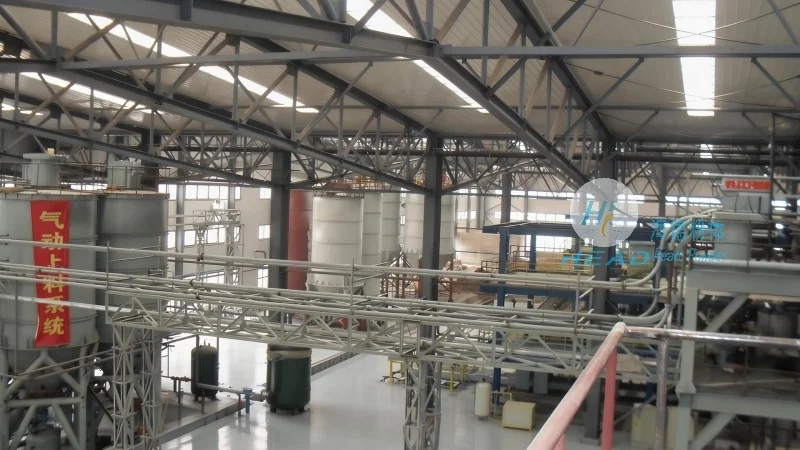
Advantages and Benefits for Potato Processing
Implementing pneumatic conveying systems for potato materials offers numerous advantages. First, it significantly reduces product damage compared to mechanical conveyors, which is essential for maintaining the quality and market value of potatoes. Second, the systems are more hygienic, as they minimize direct human contact with the product and reduce the risk of contamination. Third, they offer energy efficiency, as the air pressure can be adjusted to match the material flow, reducing unnecessary energy consumption. Fourth, the systems are compact and can be installed in tight spaces, making them suitable for existing processing facilities. Finally, the systems are easy to maintain and clean, which is critical for meeting food safety regulations. These benefits make pneumatic conveying an attractive option for potato processing companies looking to improve their operational efficiency and product quality.
Customization and Integration with Shandong HeadPowder Engineering
Shandong HeadPowder Engineering Co., Ltd. understands that each potato processing facility has unique requirements. Therefore, they offer customized pneumatic conveying solutions that are tailored to the specific needs of their clients. The company's engineers work closely with clients to assess their processing needs, material characteristics, and space constraints to design an optimal system. The systems are manufactured using high-quality materials and advanced technology to ensure durability and reliability. Additionally, the company provides comprehensive after-sales support, including installation, training, and maintenance services. By choosing Shandong HeadPowder Engineering, potato processing companies can benefit from a reliable and efficient material handling solution that meets their specific requirements and enhances their overall operational performance.