

The Operation Process and Working Principle of Fracking Sand Pneumatic Conveying Machines
Fracking sand pneumatic conveying machines are critical equipment in the oil and gas industry, especially for hydraulic fracturing operations. These systems are engineered to transport proppant—such as sand or ceramic particles—with high efficiency and reliability. The operation of these machines is vital for maintaining the productivity of fracturing processes, ensuring smooth and continuous material transfer. This article explores the detailed operation process and working principles of fracking sand pneumatic conveying machines, offering insights into how they function and the key components that drive their performance.
Key Components of Fracking Sand Pneumatic Conveying Systems
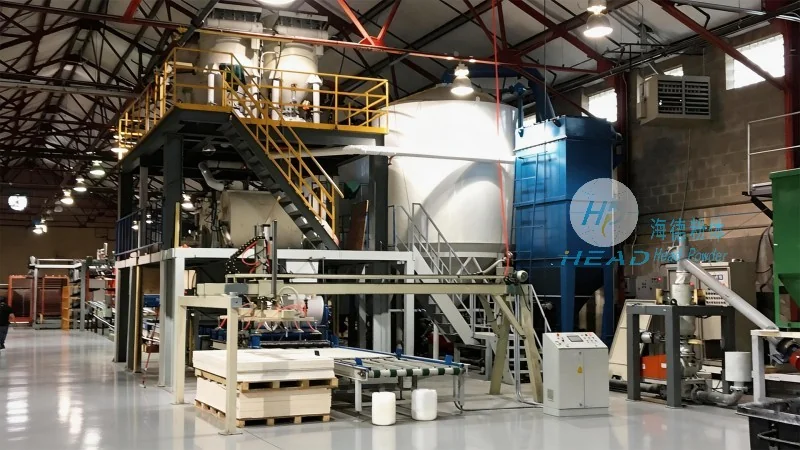
Understanding the operation of fracking sand pneumatic conveying machines begins with recognizing their main components. These typically include a hopper for material storage, a blower or compressor to generate air flow, a pipeline network for transporting material, and a receiver or discharge unit for final delivery. Each component plays a crucial role in system performance. The hopper ensures a consistent proppant supply, while the blower provides the necessary air pressure to move material through the pipeline. The pipeline network may incorporate fittings, valves, and filters to maintain flow and prevent blockages. The receiver collects and discharges the conveyed material to the next stage of fracturing. Grasping these components is essential for comprehending the entire system's operation.
The Operation Process of Fracking Sand Pneumatic Conveying Machines
The operation process of fracking sand pneumatic conveying machines involves sequential steps. First, proppant is loaded into the hopper from a storage container. The hopper is equipped with a feeder to control material flow rate. Next, the blower is activated, generating a high-pressure air stream. This air stream is introduced into the pipeline, creating a flow that carries proppant particles along with it. The material is transported through the pipeline network to the receiver, where it is collected and discharged. A control panel monitors and adjusts air pressure, flow rate, and material feed rate to maintain optimal operation. The process is designed for continuity and automation, minimizing manual intervention and ensuring consistent performance.
Working Principles of Fracking Sand Pneumatic Conveying Machines
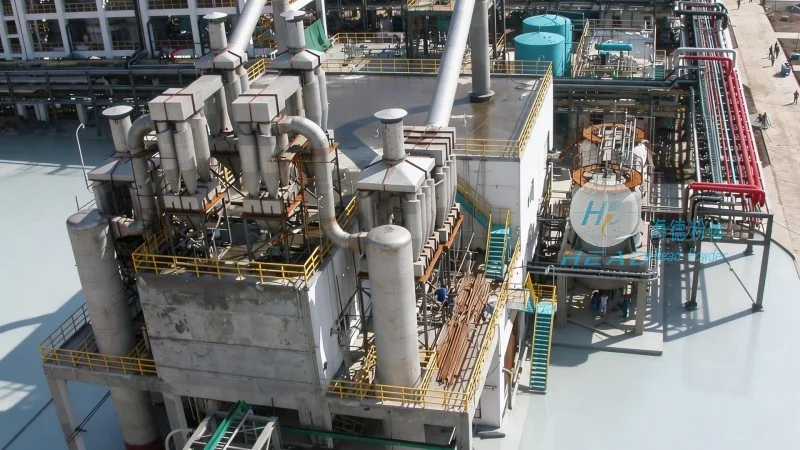
The working principle of fracking sand pneumatic conveying machines is based on fluidization and air movement. The system uses compressed air to create a fluidized bed of proppant particles, allowing them to be carried through the pipeline by the air flow. Air pressure must be sufficient to overcome gravitational force and pipeline friction. Air velocity is critical—high enough to keep particles suspended and prevent settling or clogging. Different conveying modes exist: dilute phase (higher air velocity, lower particle concentration) and dense phase (lower air velocity, higher particle concentration). The choice depends on factors like distance, particle size, and required flow rate.
Advantages of Using Fracking Sand Pneumatic Conveying Machines
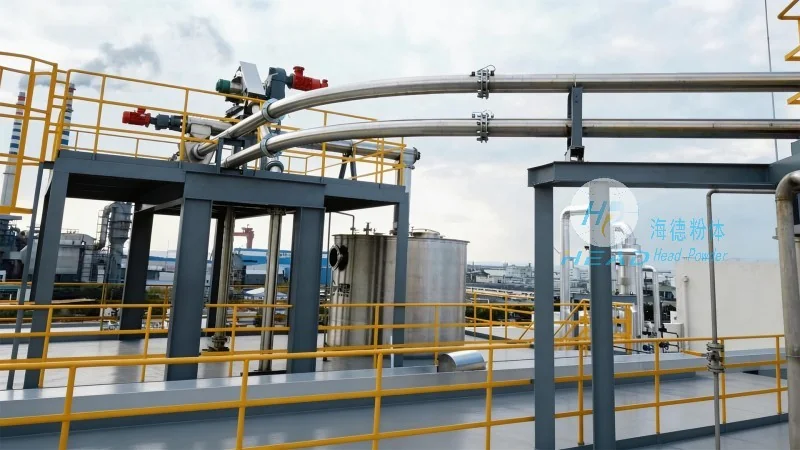
Fracking sand pneumatic conveying machines offer advantages over traditional transport methods. They enable long-distance material transport without intermediate storage or handling, reducing loss and contamination risks—critical for fracturing proppant. The system provides controlled, consistent flow rates, supporting fracturing efficiency. Compared to truck or conveyor transport, pneumatic systems are less prone to blockages, as air flow keeps particles suspended. They also handle diverse particle sizes and types flexibly. Overall, these machines deliver reliable, efficient proppant transport for oil and gas operations.
Applications of Fracking Sand Pneumatic Conveying Machines
Fracking sand pneumatic conveying machines are widely used in oil and gas applications, primarily for hydraulic fracturing to transport proppant to well sites. They also serve in cement slurry or other well completion material transport. Systems can be customized for particle size, flow rate, and well type. Integration with mixers and pumps forms complete well completion systems, enhancing efficiency and reducing time/cost. The flexibility and adaptability make them suitable for various geological conditions and well designs.