

Operation Process and Working Principle of Phosphate Powder Pneumatic Conveying Machine
Phosphate powder pneumatic conveying machines are essential equipment in the phosphate mining and processing industry. These systems are designed to transport phosphate powder efficiently and safely from one location to another, often over long distances or within complex processing facilities. The technology behind these machines leverages the principles of pneumatic conveying, which uses air or gas to move bulk materials through a pipeline system. This method offers several advantages over traditional mechanical conveying methods, including reduced equipment wear, lower maintenance costs, and the ability to handle materials that are dusty or have a tendency to clog traditional conveyors.
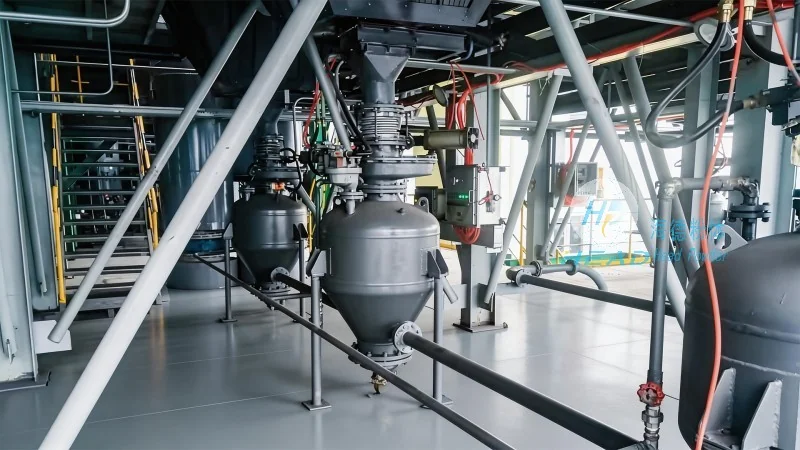
Key Components of a Phosphate Powder Pneumatic Conveying System
At the core of a phosphate powder pneumatic conveying machine are several critical components that work in tandem to ensure smooth operation. The main components typically include a hopper or feed bin, a rotary valve or feeder, a conveying line (often equipped with bends and straight sections), a pressure vessel or receiver, and a dust collector or filter system. The hopper is where the phosphate powder is stored and fed into the system. The rotary valve or feeder controls the flow rate of the material, ensuring a consistent and controlled discharge into the conveying line. The conveying line, usually made of stainless steel or other corrosion-resistant materials, transports the powder using air pressure. The pressure vessel or receiver collects the material at the end of the line and may include a discharge valve to release the material when needed. Finally, the dust collector or filter system removes any airborne particles, ensuring compliance with environmental regulations and maintaining a clean working environment.
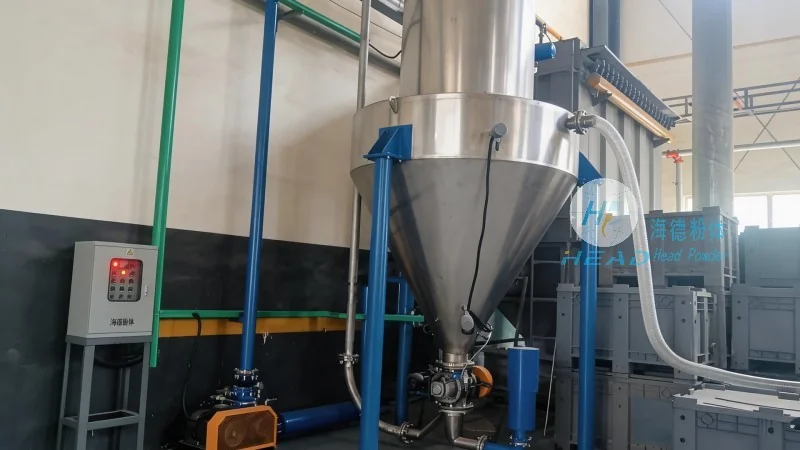
Operation Process of Phosphate Powder Pneumatic Conveying Machines
The operation process of a phosphate powder pneumatic conveying machine involves several sequential steps that ensure the material is transported efficiently and safely. The process begins with the loading of phosphate powder into the hopper. The rotary valve or feeder then regulates the flow of powder into the conveying line. Simultaneously, a blower or compressor generates the necessary air pressure to move the powder through the pipeline. As the air and powder mixture travels through the conveying line, the powder is suspended and carried to the receiving end. At the end of the line, the pressure vessel or receiver collects the material. The system may include a venturi or other devices to assist in the flow, especially when dealing with long or complex conveying routes. The entire process is controlled by a system of valves, sensors, and a control panel, which monitors pressure, flow rate, and other parameters to ensure optimal performance. The operation is typically automated, with the system starting and stopping based on the level of material in the hopper or the demand at the receiving end.
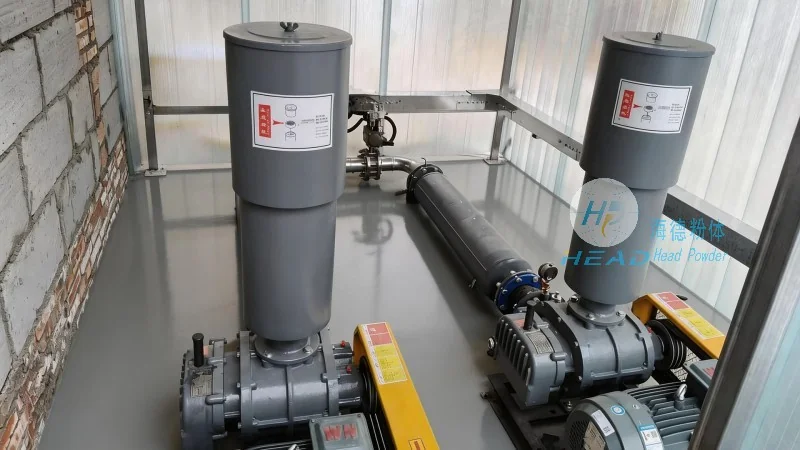
Working Principle of Pneumatic Conveying for Phosphate Powder
The working principle of a phosphate powder pneumatic conveying machine is based on the use of air or gas to create a flow of material through a pipeline. This principle can be categorized into two main types: dilute-phase and dense-phase conveying. Dilute-phase conveying uses a high velocity of air to suspend the powder particles and transport them through the line. This method is suitable for short to medium distances and materials with low dust content. Dense-phase conveying, on the other hand, uses lower air velocities and higher material concentrations, which results in a more stable and less turbulent flow. This method is ideal for long-distance conveying or when handling materials that are prone to clogging or have high dust content. The air pressure generated by the blower or compressor is crucial in both types of conveying. It creates the necessary force to move the powder through the pipeline, overcoming the gravitational and frictional forces that would otherwise impede the flow. The system also includes a filter or dust collector to remove any fine particles that may escape into the air, ensuring that the process is both efficient and environmentally compliant.
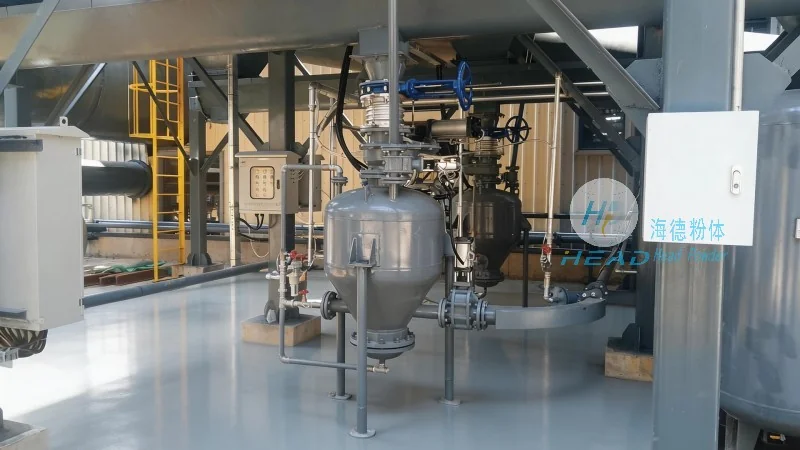
About Shandong HeadPowder Engineering Co., Ltd.
Shandong HeadPowder Engineering Co., Ltd., operating under the brand name headpowder, is a leading manufacturer of phosphate powder pneumatic conveying machines and related equipment. With a strong presence in China, the company specializes in designing, manufacturing, and supplying high-quality conveying systems tailored to the specific needs of the phosphate mining and processing industry. The company's products are known for their durability, efficiency, and reliability, which are essential for handling the abrasive and dusty nature of phosphate powder. HeadPowder Engineering Co., Ltd. employs advanced engineering techniques and uses high-quality materials in the construction of its conveying machines, ensuring that they meet or exceed industry standards. The company also provides comprehensive after-sales services, including installation, maintenance, and technical support, to ensure that its customers can operate their equipment efficiently and with minimal downtime. With a commitment to innovation and customer satisfaction, Shandong HeadPowder Engineering Co., Ltd. continues to be a trusted partner for businesses in the phosphate industry.