

Operation Process and Working Principle of Stearic Acid Sodium Pneumatic Conveying Machine
Stearic acid sodium, a widely used chemical additive in various industries, often requires efficient and reliable transportation methods to ensure smooth production processes. The pneumatic conveying machine for stearic acid sodium is a specialized equipment designed to handle this chemical efficiently. This article will delve into the operation process and working principle of such a machine, providing insights into its functionality and benefits.
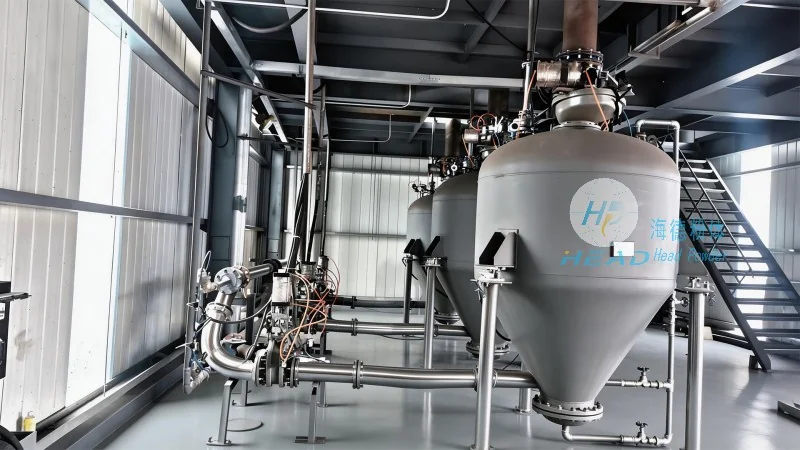
Manufactured by Shandong HeadPowder Engineering Co., Ltd., a leading company in the field of chemical processing equipment, this pneumatic conveying system is engineered to meet the demanding requirements of stearic acid sodium handling. The company, commonly known as HeadPowder, has extensive experience in developing and supplying high-quality conveying solutions for various chemical applications.
Working Principle of the Stearic Acid Sodium Pneumatic Conveying Machine
The pneumatic conveying machine operates on the principle of air flow to transport solid materials. In the case of stearic acid sodium, the machine uses a combination of positive and negative pressure systems to move the material from the source to the destination. The process begins with the material being fed into the hopper of the machine. A fan or blower then generates a flow of air, which is directed into the conveying line. As the air flows through the line, it carries the stearic acid sodium particles along with it. The machine is equipped with various components, including a hopper, a rotary valve, a filter, and a receiver, each playing a crucial role in the conveying process.
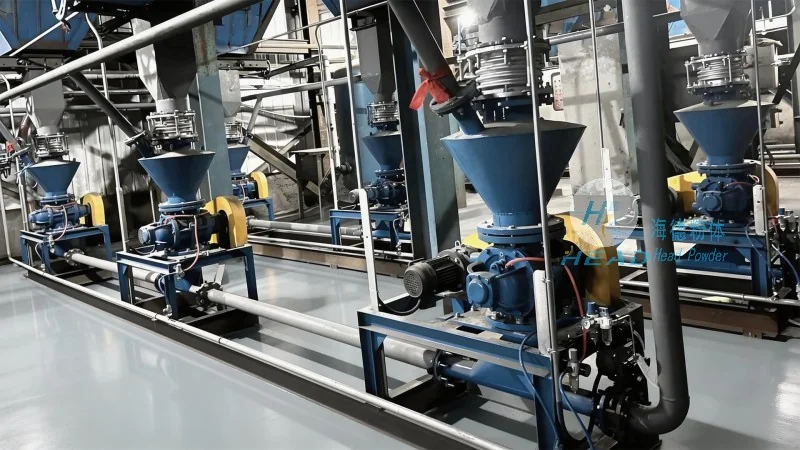
Operation Process of the Stearic Acid Sodium Pneumatic Conveying Machine
The operation process of the machine involves several key steps. First, the stearic acid sodium is loaded into the hopper. The rotary valve then controls the flow of material into the conveying line. The fan or blower starts, creating the necessary air pressure to transport the material. The material is carried through the pipeline by the air stream and is deposited into the receiver at the end of the line. The system is designed to maintain a consistent flow rate, ensuring that the material is transported efficiently without clogging or loss. The machine also includes safety features such as pressure relief valves and filters to prevent dust and particles from escaping into the environment.
Key Features and Benefits of the Pneumatic Conveying System
The pneumatic conveying machine for stearic acid sodium offers several advantages over traditional methods like belt conveyors or bucket elevators. One of the main benefits is the ability to transport the material in a closed system, which helps to prevent contamination and dust emissions. This is particularly important for stearic acid sodium, which is a fine powder and can be easily airborne. The machine also allows for flexible and compact installation, as it can be arranged in various configurations to suit the layout of the production facility. Additionally, the system is easy to operate and maintain, with minimal downtime required for maintenance.
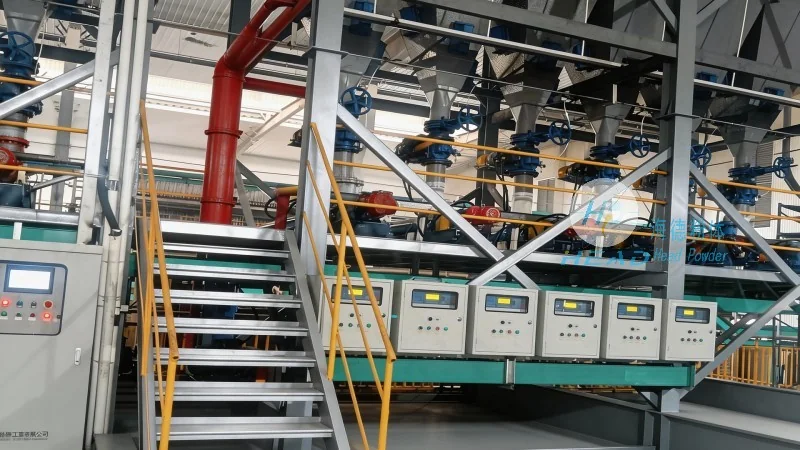
Applications and Industries Using Stearic Acid Sodium Pneumatic Conveying
The stearic acid sodium pneumatic conveying machine is widely used in various industries where stearic acid sodium is a key ingredient. These include the food and beverage industry, where it is used as an emulsifier and anti-caking agent. The chemical industry also utilizes this material in the production of soaps, detergents, and other personal care products. The pharmaceutical industry may also use stearic acid sodium as a lubricant or excipient in drug formulations. The machine's ability to handle fine powders efficiently makes it suitable for these applications, ensuring that the material is transported without degradation or loss of quality.
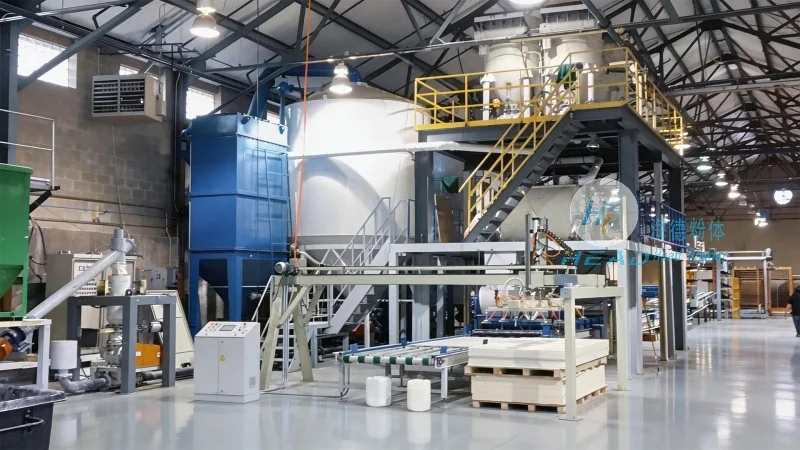
Maintenance and Operational Tips for the Conveying Machine
To ensure the longevity and efficiency of the pneumatic conveying machine, regular maintenance is essential. The hopper and conveying line should be cleaned regularly to prevent the buildup of material, which can affect the flow rate. The fan or blower should be checked for proper operation and replaced if necessary. The filters should be cleaned or replaced as needed to maintain air quality and prevent clogging. Additionally, the rotary valve and other moving parts should be lubricated regularly to ensure smooth operation. By following these maintenance tips, the machine can operate at optimal performance, reducing downtime and increasing productivity.
Shandong HeadPowder Engineering Co., Ltd., with its headquarters in Shandong, China, is committed to providing high-quality pneumatic conveying solutions for the chemical industry. The company's expertise in designing and manufacturing specialized equipment ensures that customers receive reliable and efficient systems that meet their specific needs. The stearic acid sodium pneumatic conveying machine is just one example of the company's products, which are designed to enhance the productivity and safety of chemical processing operations.