

Operation Process and Working Principle of Polyethylene Pellet Pneumatic Conveying Machine
HeadPowder, a leading manufacturer in the field of material handling equipment, specializes in the design and production of advanced pneumatic conveying systems. The company, based in Shandong, China, is dedicated to providing efficient and reliable solutions for transporting polyethylene pellets and other granular materials. This article explores the operation process and working principle of a polyethylene pellet pneumatic conveying machine, highlighting the key components and the step-by-step mechanism that ensures seamless material transport.
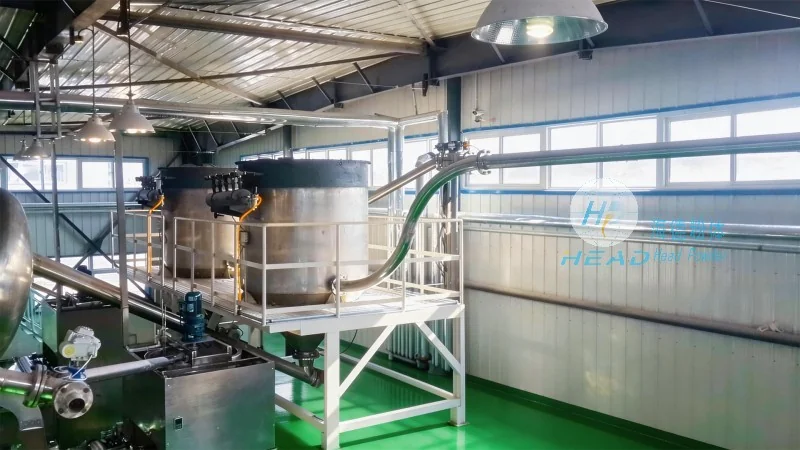
Overview of Polyethylene Pellet Pneumatic Conveying Machine
A polyethylene pellet pneumatic conveying machine is a sophisticated system engineered to move polyethylene pellets from one location to another using air as the conveying medium. This technology offers several advantages over traditional mechanical conveying methods, including reduced material degradation, lower maintenance costs, and enhanced safety. The system typically consists of a hopper, a blower or compressor, a pipeline network, and a receiver, all working in tandem to achieve seamless material transfer.
Working Principle of the Pneumatic Conveying System
The core of the polyethylene pellet pneumatic conveying machine operates on the principle of air pressure and vacuum. The process begins with the polyethylene pellets being fed into the hopper. As the blower or compressor generates a high-pressure airflow, it draws the pellets into the pipeline. The air flow carries the pellets through the system, ensuring they are transported efficiently without excessive friction or breakage. The receiver at the end of the pipeline collects the pellets, completing the conveying cycle.
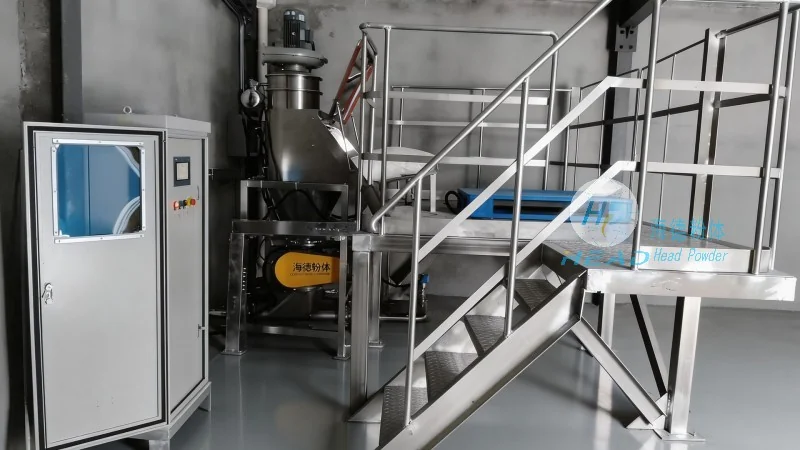
Step-by-Step Operation Process
The operation of the polyethylene pellet pneumatic conveying machine involves several critical steps that ensure optimal performance and material integrity. First, the polyethylene pellets are loaded into the hopper, which serves as the initial storage and feeding unit. The hopper is equipped with a feeder mechanism, such as a rotary valve or a screw feeder, that controls the flow rate of the pellets into the conveying line. Next, the blower or compressor is activated, creating a high-pressure air stream that moves through the pipeline. The air flow generates a vacuum at the inlet of the hopper, drawing the pellets into the pipeline. As the pellets travel through the pipeline, they are suspended in the air stream, preventing direct contact with the pipe walls and minimizing wear and tear. The receiver at the discharge end collects the pellets, and the system continues to operate until the material is fully transferred. The entire process is automated, with sensors and controls monitoring the flow rate, pressure, and other parameters to maintain consistent performance.
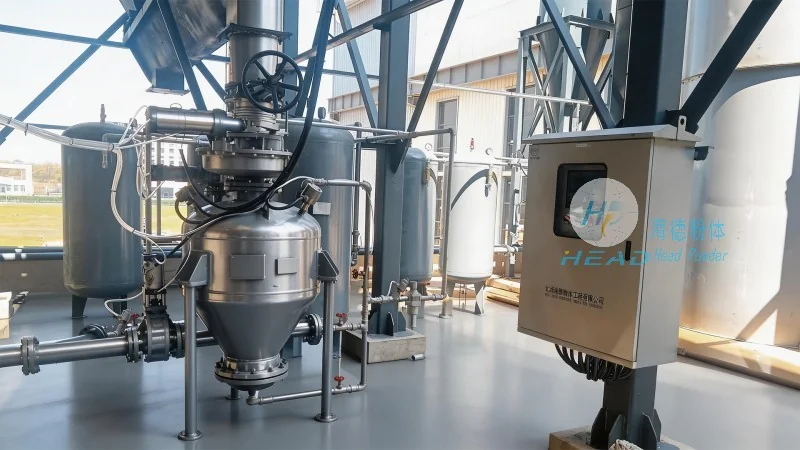
Key Components and Their Functions
Several key components contribute to the efficient operation of the polyethylene pellet pneumatic conveying machine. The hopper is responsible for storing the polyethylene pellets and providing a controlled feed to the system. The feeder mechanism, such as a rotary valve or a screw feeder, regulates the flow of pellets into the conveying line, preventing overloading and ensuring a steady supply. The blower or compressor generates the necessary air pressure and flow rate to move the pellets through the pipeline. The pipeline network, typically made of stainless steel or other corrosion-resistant materials, transports the pellets and air mixture. The receiver collects the pellets at the end of the line, and the system may include filters and cyclones to separate any air from the material. These components work together to ensure the smooth and reliable operation of the pneumatic conveying system.
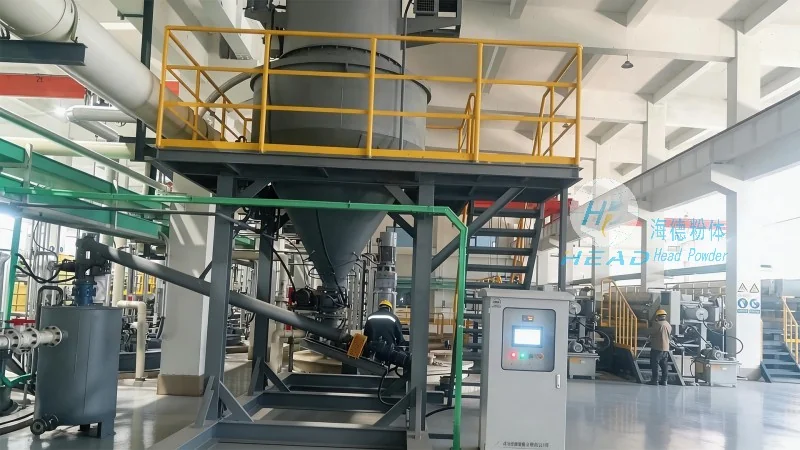
Benefits and Applications
The polyethylene pellet pneumatic conveying machine offers numerous benefits for industries dealing with polyethylene pellets, including chemical, plastic, and packaging sectors. The system reduces material handling time and labor costs, as it eliminates the need for manual loading and unloading. It also minimizes material degradation by avoiding direct contact with mechanical parts and reducing friction. The system is highly flexible, allowing for changes in the conveying route and capacity without significant modifications. Additionally, the pneumatic conveying system is safer than traditional methods, as it reduces the risk of dust explosions and material spillage. HeadPowder's polyethylene pellet pneumatic conveying machines are widely used in various applications, including pellet storage, processing, and distribution, providing reliable and efficient material transport solutions.
Conclusion
In conclusion, the polyethylene pellet pneumatic conveying machine is a highly effective and efficient system for transporting polyethylene pellets. The working principle, based on air pressure and vacuum, ensures that the pellets are moved smoothly and without damage. The step-by-step operation process, involving the hopper, feeder, blower, and receiver, provides a reliable mechanism for material transfer. HeadPowder, with its expertise in material handling equipment, offers advanced solutions that meet the needs of various industries. By understanding the operation process and working principle of this system, users can optimize their material handling operations and improve overall productivity.