

Operation Process and Working Principle of Barium Sulfate Powder Conveying System
For industrial applications that require the efficient and reliable transport of barium sulfate powder, a specialized conveying system is essential. The system designed by Shandong HeadPowder Engineering Co., Ltd. in China offers a robust solution tailored to meet the demands of various processing environments. This article will explore the operational process and underlying principles of such a system, highlighting key components and their functions.
Key Components of the Conveying System
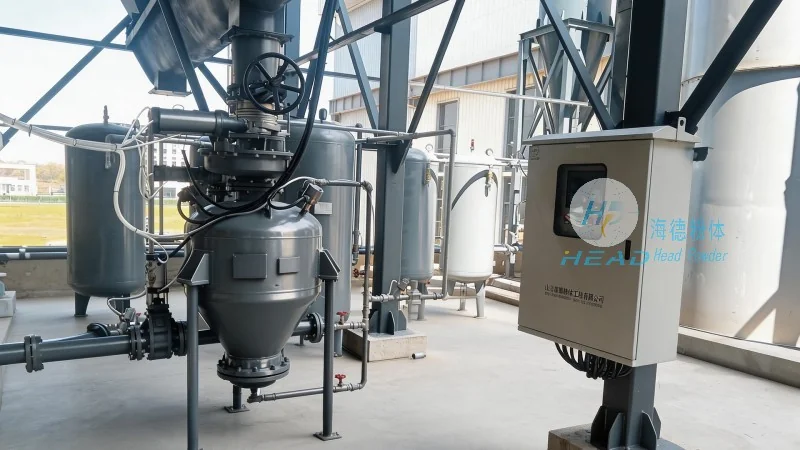
The barium sulfate powder conveying system comprises several critical components that work in tandem to ensure smooth material handling. At the core is the material hopper, which serves as the initial storage and feeding unit. The hopper is typically equipped with a discharge valve that controls the flow of powder into the subsequent conveying mechanism. A rotary valve or feeder is often integrated to regulate the feed rate, preventing overloading and maintaining consistent material flow. The conveying mechanism itself can vary, with options including pneumatic or mechanical systems, depending on the specific requirements of the application. For this system, a mechanical screw conveyor or a pneumatic duct system is commonly employed to transport the powder from the hopper to the processing or storage area. The system also includes a dust collection and filtration unit to ensure environmental compliance and operator safety, as handling barium sulfate powder can generate fine particles that require proper containment.
Operation Process: Step-by-Step Overview
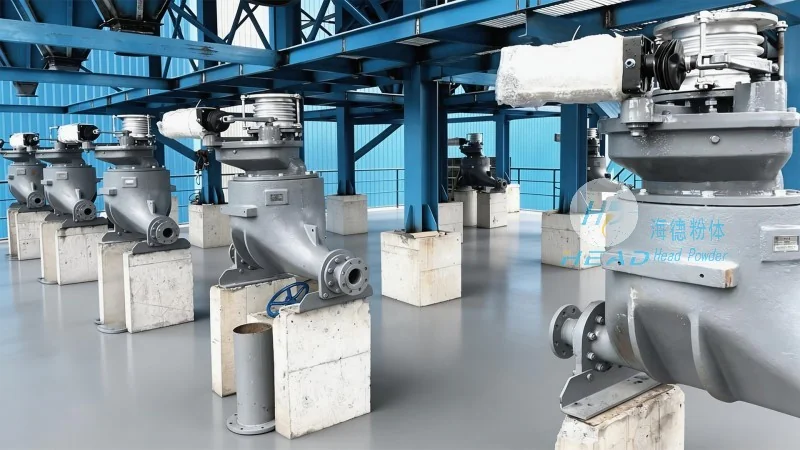
The operation of the barium sulfate powder conveying system follows a systematic sequence to ensure efficient material transport. The process begins with the loading of barium sulfate powder into the material hopper. The hopper is designed with a sloped bottom to facilitate gravity-assisted flow, and the discharge valve is adjusted to control the initial feed rate. Once the powder reaches the feeder, the rotary valve or screw feeder regulates the flow into the conveying mechanism. In a mechanical screw conveyor setup, the rotating screw pushes the powder forward through the conveyor tube, maintaining a consistent velocity. For pneumatic systems, compressed air is used to create a flow of powder through the ducts, with the air pressure and velocity carefully controlled to prevent particle degradation or blockages. The conveying system continues until the powder reaches the discharge point, where it is deposited into the next processing stage or storage container. Throughout the operation, the dust collection system actively captures any airborne particles, ensuring that the environment remains clean and safe for operators. The entire process is monitored by control panels that allow for real-time adjustments to feed rates, conveyor speed, and other parameters to optimize performance and prevent system failures.
Working Principle: How the System Ensures Efficiency
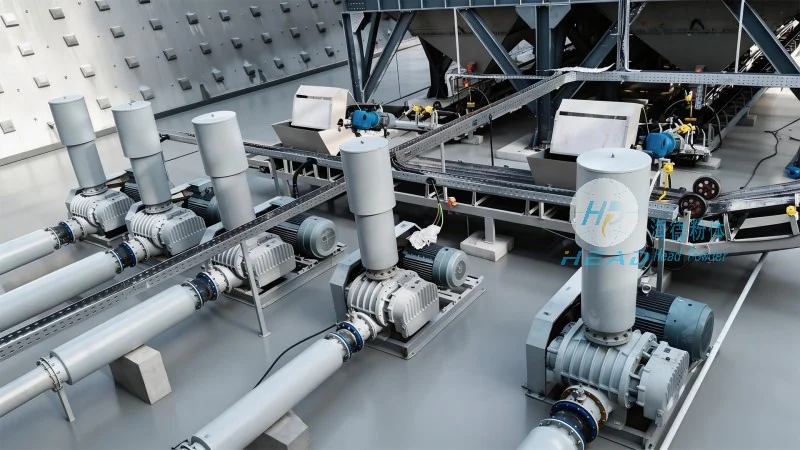
The working principle of the barium sulfate powder conveying system is based on the principles of material flow and mechanical or pneumatic force. The system leverages gravity and controlled mechanical forces to move the powder from the hopper to the discharge point. The material hopper provides a stable storage environment, with the discharge valve acting as a gate to regulate the initial flow. The feeder component then ensures a consistent feed rate, preventing surges or blockages that could disrupt the process. The conveying mechanism—whether mechanical or pneumatic—transports the powder through the system by applying a continuous force. In mechanical systems, the screw or auger rotates, creating a pushing action that moves the powder along the conveyor path. In pneumatic systems, compressed air creates a drag force that pulls the powder through the ducts. The system is designed with smooth transitions and minimal bends to reduce friction and maintain material integrity. The dust collection system operates in parallel, using filters and fans to capture any particles that escape during the conveying process, ensuring compliance with environmental regulations and maintaining a safe working environment. The control system integrates sensors and feedback mechanisms to monitor key parameters such as pressure, flow rate, and temperature, allowing for automatic adjustments to maintain optimal performance. This combination of components and principles ensures that the system operates efficiently, reliably, and safely, making it suitable for industrial applications that require consistent and high-volume powder transport.
Benefits and Applications of the Conveying System
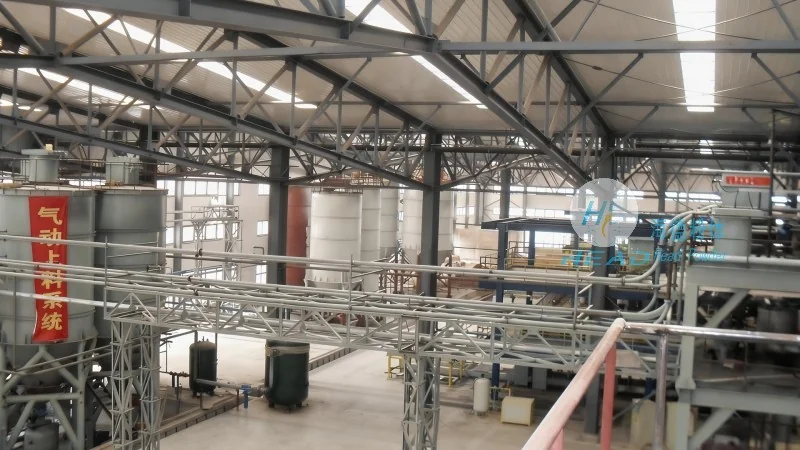
The barium sulfate powder conveying system developed by Shandong HeadPowder Engineering Co., Ltd. offers several advantages for industrial operations. Its design minimizes material degradation, ensuring that the barium sulfate powder retains its quality and properties throughout the transport process. The system is also highly customizable, with options for different conveying capacities and materials of construction to suit various applications. It reduces labor costs by automating the material handling process, eliminating the need for manual loading and unloading. The dust collection system enhances workplace safety by controlling airborne particles, which is critical when handling fine powders like barium sulfate. The system is widely used in industries such as pharmaceuticals, coatings, and ceramics, where precise and consistent powder transport is essential for product quality. Additionally, the system's reliability reduces downtime and maintenance costs, making it a cost-effective solution for long-term operation. The integration of advanced control systems allows for real-time monitoring and adjustments, further improving operational efficiency and product consistency.