

Operation Process and Working Principle of Stearic Acid Sodium Powder Conveying System
Stearic acid sodium, a versatile chemical additive utilized across industries such as cosmetics, pharmaceuticals, and food processing, necessitates efficient and reliable powder conveying systems to ensure seamless production workflows. The operation process and working principle of such systems are critical for maintaining product integrity and operational efficiency. This article delves into the key aspects of stearic acid sodium powder conveying, focusing on the system's functionality, components, and the benefits it offers to industrial applications.
Company Profile: Shandong HeadPowder Engineering Co., Ltd.
HeadPowder, a prominent entity in the powder handling sector, specializes in the design, manufacturing, and implementation of advanced conveying systems. With a strong emphasis on innovation and customer-centric solutions, the company has built a reputation for delivering high-quality equipment tailored to the unique requirements of chemical processing. HeadPowder's expertise lies in understanding the challenges associated with handling fine powders like stearic acid sodium, ensuring that their systems are optimized for performance, durability, and safety. The company's commitment to excellence is reflected in its state-of-the-art facilities and rigorous quality control measures.
Key Components of the Conveying System
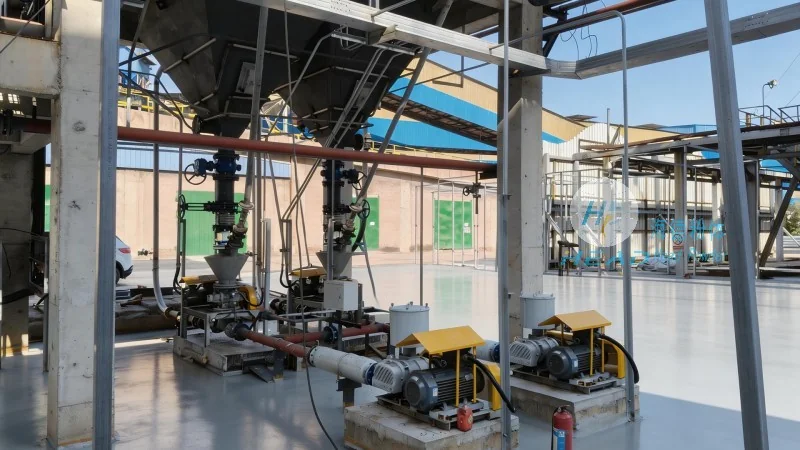
The stearic acid sodium powder conveying system comprises several essential components that work in tandem to facilitate material transport. The primary components include a storage hopper, a conveying mechanism (such as a screw or pneumatic conveyor), a control panel for operational management, and a dust collection system to maintain air quality. The storage hopper is designed to hold a substantial quantity of powder, ensuring continuous supply and minimizing interruptions. The conveying mechanism, whether mechanical or pneumatic, is responsible for moving the powder from the hopper to the processing unit. The control panel allows operators to adjust parameters such as flow rate, speed, and pressure, providing real-time monitoring and control. The dust collection system is crucial for maintaining a clean and safe working environment by capturing airborne particles.
Operation Process: Step-by-Step Overview
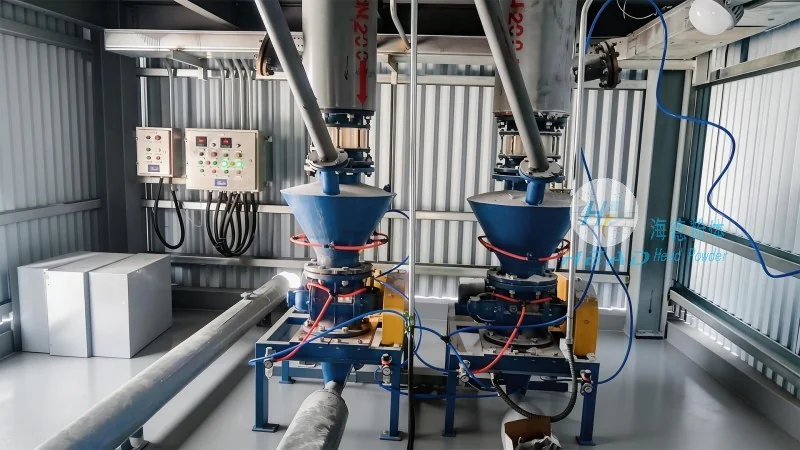
The operation of the stearic acid sodium powder conveying system begins with the loading of the powder into the hopper. The hopper is typically equipped with a feeding mechanism, such as a rotary valve or a gate, to regulate the material flow into the conveyor. Once the material is loaded, the control system activates the conveying mechanism. In a screw conveyor system, a rotating screw pushes the powder forward through the conveyor tube, maintaining a consistent flow rate. The speed of the screw can be adjusted to control the output, allowing for precise management of the material transport. For pneumatic conveying systems, compressed air is used to create a flow that suspends the powder particles, transporting them through pipelines. The system includes sensors to monitor the material level in the hopper and the flow rate through the conveyor, enabling automatic adjustments to maintain optimal performance. This automated control ensures that the system operates efficiently and minimizes human intervention.
Working Principle: Mechanical and Pneumatic Conveying
The working principle of the stearic acid sodium powder conveying system is based on the fundamental principles of fluidization and mechanical displacement. In mechanical conveying systems like screw conveyors, the rotating screw displaces the powder, utilizing the friction between the screw and the material to move it forward. The design of the screw, including its pitch (the distance between adjacent flights) and diameter, is optimized to handle the specific characteristics of stearic acid sodium powder, such as its particle size (typically in the range of 10-200 microns) and moisture content. This design ensures that the powder is conveyed without segregation or degradation. In pneumatic conveying systems, the powder is suspended in a stream of air and transported through pipelines. The air flow is controlled to maintain the powder in a suspended state, preventing clogging and ensuring smooth transport. The pressure and velocity of the air are critical parameters that determine the conveying efficiency. The system may use positive or negative pressure, depending on the application, to move the powder from the source to the destination. The working principle also involves the use of cyclones or filters to separate the powder from the air stream, ensuring that the material is collected in a clean and dry state.
Advantages of the System in Handling Stearic Acid Sodium
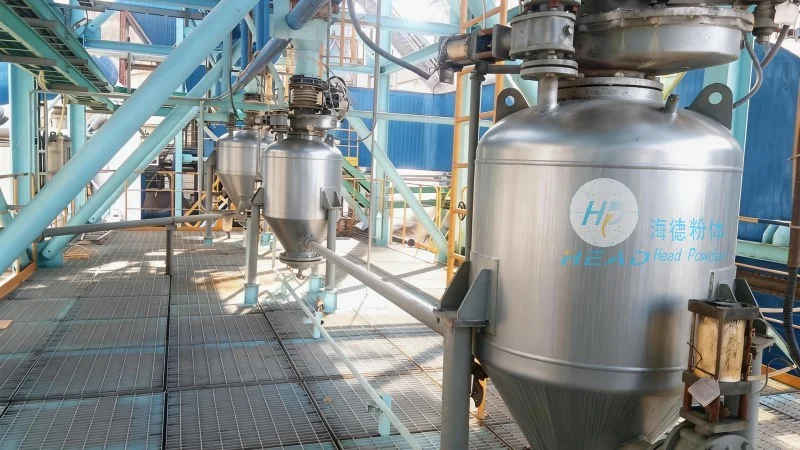
Implementing a specialized powder conveying system for stearic acid sodium offers several significant advantages over traditional methods. Firstly, it reduces material loss and contamination by providing an enclosed system that prevents dust exposure. This is particularly important for stearic acid sodium, which can be sensitive to moisture and air, leading to quality degradation if not handled properly. Secondly, the system enhances operational efficiency by providing consistent and controlled flow rates, reducing downtime and improving production throughput. The ability to adjust parameters in real-time allows for flexible operation, adapting to varying production demands. Additionally, the system's design allows for easy integration with other processing equipment, enabling seamless workflow in industrial settings. The durability of the components, especially those in contact with the powder, is another key advantage, ensuring long-term reliability and low maintenance costs. HeadPowder's systems are constructed using high-quality materials resistant to corrosion and wear, further extending their service life.
Conclusion and Company Commitment
In summary, the operation process and working principle of the stearic acid sodium powder conveying system are essential for efficient chemical processing. By leveraging advanced technology and tailored solutions, businesses can optimize their material handling processes, ensuring product quality and operational efficiency. Shandong HeadPowder Engineering Co., Ltd. remains committed to innovation and customer satisfaction, providing reliable and effective conveying systems for applications involving stearic acid sodium and other fine chemicals. With a focus on quality, durability, and performance, HeadPowder continues to be a trusted partner in the powder handling industry, helping businesses achieve their production goals with minimal disruptions and maximum efficiency.