

Operation Process and Working Principle of Soybean Powder Conveying Line
For businesses in the food processing and agricultural sectors, efficient handling of soybean powder is crucial for maintaining product quality and operational efficiency. The soybean powder conveying line, a specialized system designed by Shandong HeadPowder Engineering Co., Ltd., addresses these needs through a combination of advanced technology and robust engineering. This article explores the operation process and working principle of such a line, highlighting how it enhances productivity while ensuring the integrity of soybean powder.
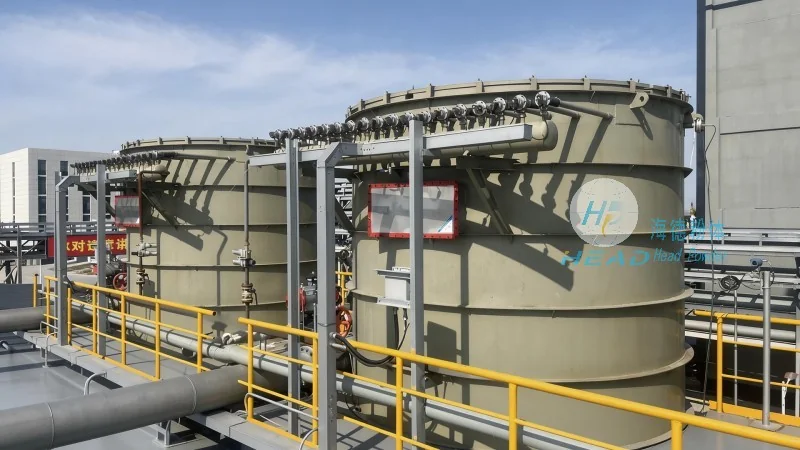
Company Overview: HeadPowder
Shandong HeadPowder Engineering Co., Ltd., commonly known as HeadPowder, is a leading manufacturer in the field of powder handling and conveying systems. With a strong focus on innovation and customer satisfaction, the company has established itself as a trusted partner for industries requiring reliable solutions for bulk material transport. HeadPowder's expertise lies in designing customized conveying lines that meet the specific requirements of clients, ensuring optimal performance and durability. The company's headquarters is located in Shandong, China, where it operates its research and development facilities, manufacturing plants, and customer service centers.
Introduction to Soybean Powder Conveying Line
A soybean powder conveying line is a comprehensive system engineered to transport soybean powder from storage silos or processing units to various destinations within a facility, such as packaging lines, blending stations, or storage areas. This system typically integrates multiple components, including hoppers, feeders, conveyors, and control systems, to ensure a seamless and controlled flow of the powder. The design of the conveying line is tailored to handle the unique characteristics of soybean powder, such as its fine particle size, hygroscopic nature, and potential for bridging or caking, which can impact the efficiency of traditional conveying methods.
Key Components of the Conveying Line
The soybean powder conveying line consists of several critical components that work in tandem to achieve efficient material transport. The primary components include:
1. Hoppers and Feeders: These are the initial stages of the system, responsible for receiving and feeding the soybean powder from storage. Hoppers are designed with sloped walls to prevent material bridging and ensure uniform flow. Feeders, such as rotary or vibratory types, regulate the flow rate of the powder into the conveyor, preventing overloading and maintaining consistent material delivery.
2. Conveyors: The core of the conveying line, conveyors are responsible for transporting the soybean powder through the system. Common types include pneumatic (air-assisted) conveyors, which use compressed air to move the powder, and mechanical conveyors like belt or screw conveyors. Pneumatic conveyors are particularly effective for handling fine powders, as they minimize product degradation and prevent contamination. Mechanical conveyors offer high capacity and are suitable for bulk material transport.
3. Control Systems: Advanced control systems are integrated into the conveying line to monitor and regulate the operation. These systems include sensors for level detection, flow measurement, and pressure monitoring, as well as programmable logic controllers (PLCs) that automate the feeding and conveying processes. The control systems ensure that the conveying line operates within safe and efficient parameters, adjusting flow rates based on real-time conditions to prevent overfilling or underflow.
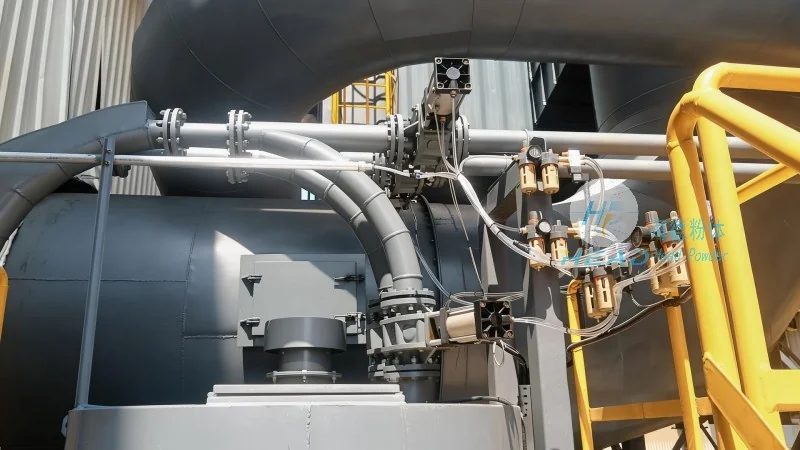
Operation Process of the Conveying Line
The operation of a soybean powder conveying line follows a systematic process, starting from the initial feeding of the powder and ending with its delivery to the final destination. The steps involved are as follows:
1. Powder Loading: Soybean powder is loaded into the hoppers from storage silos or processing equipment. The hoppers are equipped with level sensors to detect the powder level, ensuring that the system only operates when the hopper is filled to an appropriate level.
2. Feeding and Regulation: The feeder regulates the flow of powder from the hopper into the conveyor. The flow rate is controlled based on the desired output rate and the capacity of the downstream equipment. This step ensures that the conveyor receives a consistent and controlled amount of powder, preventing surges or interruptions.
3. Conveying: The conveyor transports the powder through the system. In pneumatic conveyors, compressed air is introduced to create a flow of air and powder, moving the material to the next stage. In mechanical conveyors, the powder is moved by the rotation of the conveyor belt or screw, which propels it forward. The conveyor is designed with appropriate inclinations and speeds to maintain the flow of the powder without causing excessive friction or degradation.
4. Delivery and Discharge: The powder is delivered to the final destination, such as a packaging machine or a storage bin. The discharge point is equipped with a valve or outlet that controls the release of the powder, ensuring that it is delivered in a controlled manner. The system may include a dust collection system to capture any airborne particles and prevent environmental contamination.
Working Principle of the Conveying Line
The working principle of the soybean powder conveying line is based on the principles of fluidization and pneumatic transport. The system utilizes the properties of the soybean powder to achieve efficient movement. In pneumatic conveying, the powder is suspended in a stream of air, which reduces the friction between particles and allows for smooth transport. The air flow is controlled to maintain the powder in a fluidized state, preventing clogging and ensuring consistent flow.
For mechanical conveyors, the principle of continuous motion is applied. The conveyor belt or screw rotates, creating a moving surface that lifts and transports the powder. The design of the conveyor, including the pitch and speed of the screw or the angle of the belt, is optimized to handle the specific characteristics of soybean powder, such as its fine particle size and potential for bridging. The system is also equipped with safety features, such as overload protection and emergency stop buttons, to ensure safe operation.
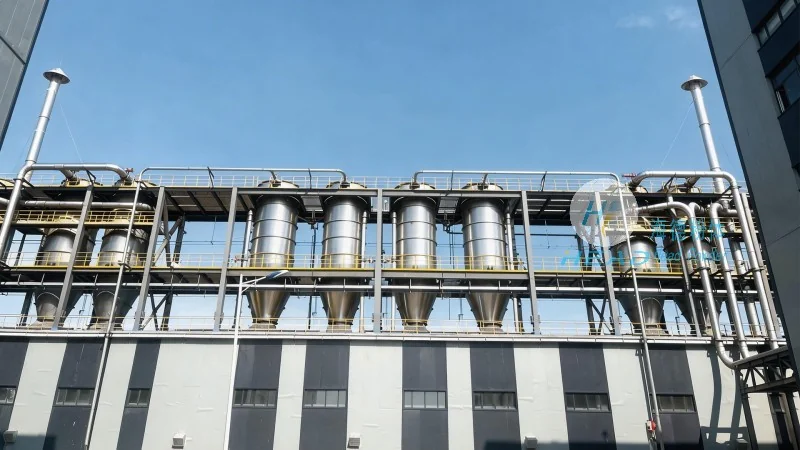
Benefits of Using a Soybean Powder Conveying Line
The implementation of a soybean powder conveying line offers several benefits for businesses in the food and agricultural sectors. These include:
1. Improved Efficiency: The automated operation of the conveying line reduces the need for manual handling, increasing productivity and reducing labor costs. The consistent flow of powder ensures that downstream processes, such as packaging or blending, operate at optimal rates.
2. Enhanced Product Quality: The system minimizes product degradation by reducing friction and preventing exposure to air or moisture. The controlled environment of the conveying line helps maintain the quality and freshness of the soybean powder, ensuring that the final product meets quality standards.
3. Reduced Downtime: The robust design of the conveying line, including its components and control systems, minimizes the risk of breakdowns and reduces downtime. The system is equipped with maintenance features, such as easy access to components and diagnostic tools, which help in quick troubleshooting and repairs.
4. Environmental Protection: The conveying line is designed with dust collection systems to capture airborne particles, reducing environmental contamination and improving workplace safety. This helps in maintaining compliance with environmental regulations and ensuring a clean working environment.
Conclusion
The soybean powder conveying line, developed by Shandong HeadPowder Engineering Co., Ltd., represents a sophisticated solution for the efficient handling of soybean powder. By integrating advanced components and control systems, the line ensures consistent and reliable transport of the powder, enhancing productivity and product quality. The operation process, which includes loading, feeding, conveying, and delivery, is designed to optimize performance while minimizing the risk of issues such as clogging or degradation. The working principle, based on fluidization and pneumatic transport, provides a stable and efficient method for moving the fine powder. For businesses seeking to improve their material handling processes, the soybean powder conveying line offers a reliable and effective solution, supported by the expertise and commitment of HeadPowder.