

Inorganic Salt Crystal Powder Conveying System Equipment: Operation Process and Working Principle
HeadPowder, a leading enterprise in the field of powder conveying technology, specializes in the design, manufacturing, and supply of advanced equipment for handling inorganic salt crystals. The company, officially known as Shandong HeadPowder Engineering Co., Ltd., is headquartered in Shandong, China, and has established itself as a trusted provider of efficient and reliable solutions for the transportation of crystalline powders in various industrial applications.
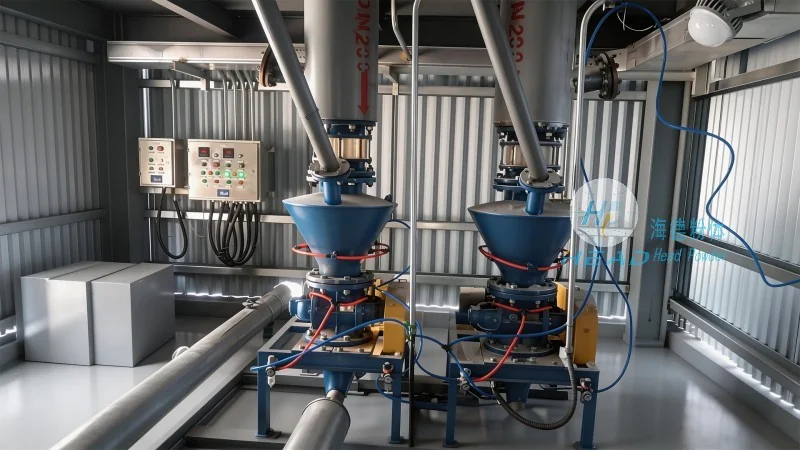
Overview of the Inorganic Salt Crystal Powder Conveying System
The inorganic salt crystal powder conveying system is a sophisticated piece of industrial equipment engineered to handle the transportation of crystalline powders, such as those derived from salts like sodium chloride, potassium chloride, or other mineral salts. This system is designed to ensure efficient, safe, and consistent movement of the powder material from the storage or processing area to the next stage of production or packaging. The equipment is built with durability and precision in mind, catering to the specific demands of the chemical, food, and pharmaceutical industries where the quality and integrity of the powder are critical.
Key Components and Their Functions
The conveying system typically comprises several key components, each playing a vital role in the overall operation. These include a hopper for material storage, a feeder mechanism to control the flow rate, a conveyor or pneumatic transport system for moving the powder, and a control panel for monitoring and adjusting the process. The hopper is designed to accommodate bulk quantities of the salt crystals, ensuring a steady supply to the feeder. The feeder, often a rotary valve or a screw feeder, regulates the discharge rate, preventing overloading or underflow that could affect the system's performance. The conveyor system, which may be a belt conveyor, screw conveyor, or pneumatic pipeline, transports the powder to the desired destination. The control panel allows operators to adjust parameters such as flow rate, pressure, and speed, ensuring optimal operation and preventing system failures.
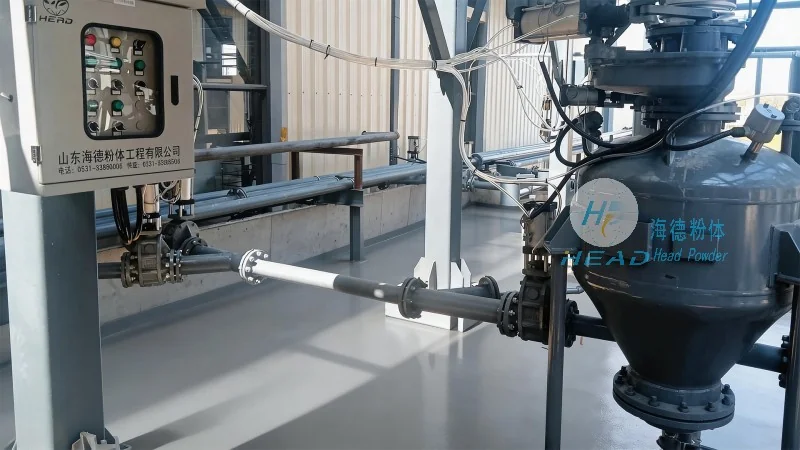
Operation Process of the Conveying System
The operation of the inorganic salt crystal powder conveying system follows a systematic process that begins with material loading into the hopper. Once the hopper is filled, the feeder mechanism activates, controlling the flow of the salt crystals into the conveyor system. The conveyor then transports the powder to the discharge point, where it is collected in a receiving container or fed into the next processing unit. Throughout the process, the control panel continuously monitors key parameters such as pressure, flow rate, and temperature, providing real-time feedback to the operator. Any deviations from the set parameters are immediately detected and corrected, ensuring the system operates within safe and efficient limits. The entire process is automated to a large extent, reducing the need for manual intervention and minimizing the risk of human error.
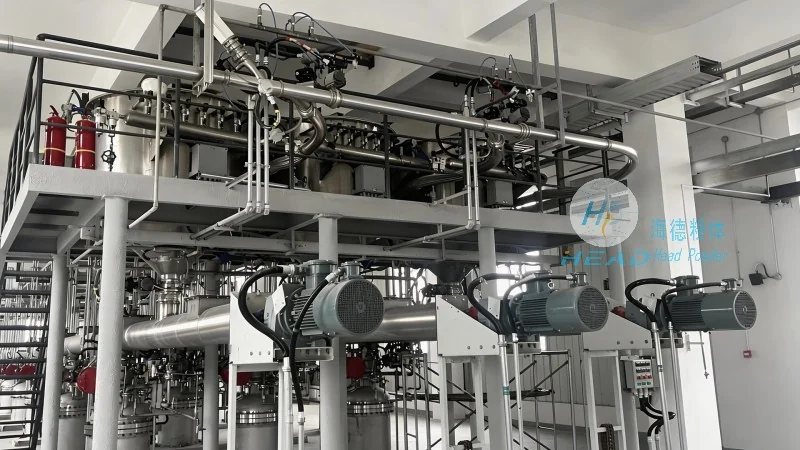
Working Principle of the Equipment
The working principle of the inorganic salt crystal powder conveying system is based on the principles of material handling and fluid dynamics. The system utilizes mechanical or pneumatic forces to move the crystalline powder from the source to the destination. In mechanical conveying systems, the powder is moved by the rotation of screws, belts, or other moving parts, which create a continuous flow. The hopper and feeder work together to maintain a consistent material level, ensuring a steady supply to the conveyor. In pneumatic conveying systems, the powder is carried by a stream of air, which is compressed and directed through a pipeline. The air pressure and velocity are carefully controlled to ensure the powder is transported efficiently without causing blockages or degradation of the material. The control system integrates sensors and actuators to regulate the flow and pressure, maintaining the stability of the conveying process.
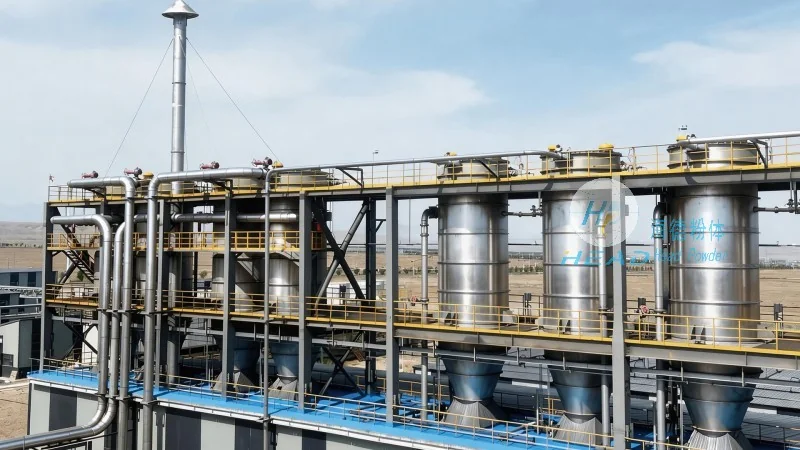
Advantages and Applications
The inorganic salt crystal powder conveying system offers several advantages that make it suitable for a wide range of industrial applications. These include high efficiency in material handling, reduced labor costs due to automation, and improved safety by minimizing direct contact with the powder. The system is also designed to maintain the quality of the salt crystals, preventing contamination or degradation during transportation. It is widely used in the chemical industry for the transport of sodium chloride and other salts used in manufacturing processes. In the food industry, it is used for the handling of salt used in food processing and packaging. The pharmaceutical industry also benefits from this system for the transport of salt-based ingredients used in drug formulations. The versatility of the system allows it to be adapted to various production scales, from small-scale operations to large industrial plants.
Maintenance and Safety Considerations
To ensure the longevity and reliability of the inorganic salt crystal powder conveying system, regular maintenance is essential. This includes cleaning the hopper and conveyor to prevent the accumulation of powder, checking the condition of the feeder and conveyor components, and inspecting the control system for any faults. Proper maintenance not only extends the lifespan of the equipment but also ensures consistent performance and reduces the risk of breakdowns. Safety is another critical aspect of operating the system. The equipment is designed with safety features such as emergency stop buttons, pressure relief valves, and dust collection systems to prevent accidents and protect operators. It is important to follow the manufacturer's guidelines for operation and maintenance to ensure the system operates safely and efficiently.