

Operation Process and Working Principle of Fine Powder Material Conveying
For industrial applications involving the handling of fine powders, understanding the operation process and working principle of material conveying systems is crucial. These systems are designed to efficiently transport fine powders from one location to another, ensuring minimal loss, consistent flow, and adherence to safety standards. This article provides an in-depth look at the operation process and working principles of fine powder material conveying, highlighting key components, operational steps, and the importance of proper system design.
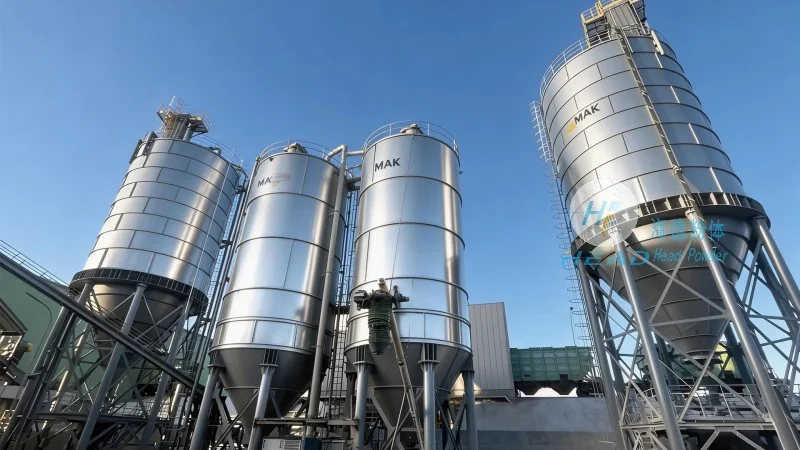
Introduction to Fine Powder Material Conveying
Fine powder material conveying is a critical process in various industries, including pharmaceuticals, chemicals, food processing, and mining. The efficient handling of fine powders requires specialized equipment and systems to prevent issues such as dust explosions, material degradation, and blockages. Companies like Shandong HeadPowder Engineering Co., Ltd., commonly known as headpowder, specialize in the design, manufacturing, and installation of advanced fine powder conveying solutions. With a focus on innovation and reliability, headpowder has established itself as a leading provider of material handling systems tailored to the unique challenges of fine powder processing.
Key Components of Fine Powder Conveying Systems
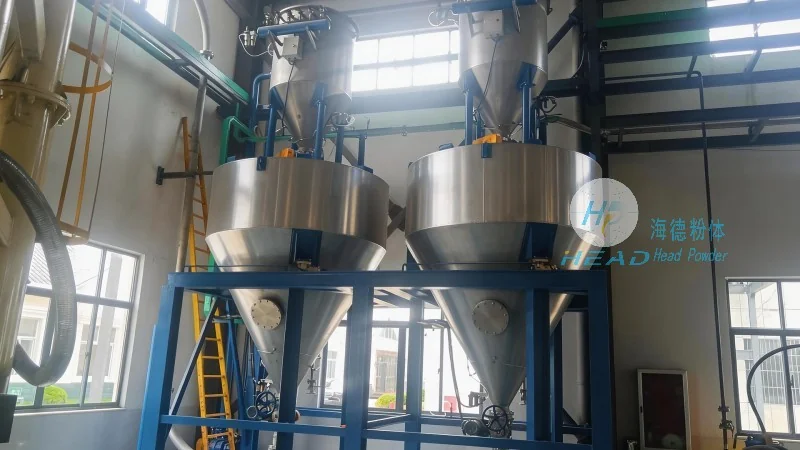
At the core of any fine powder conveying system are several key components that work in tandem to ensure smooth operation. These components include the material feed hopper, conveyor mechanism (such as pneumatic or mechanical systems), control valves, and dust collection units. The feed hopper is responsible for storing and feeding the fine powder into the system, while the conveyor mechanism transports the material through the pipeline. Control valves regulate the flow rate and pressure, ensuring consistent material movement. Dust collection units are essential for maintaining air quality and preventing dust accumulation, which can lead to safety hazards and equipment damage.
The Operation Process of Fine Powder Conveying
The operation process of fine powder material conveying typically involves several sequential steps. First, the fine powder is loaded into the feed hopper. The hopper is equipped with a discharge valve that controls the initial flow of material into the conveyor system. Next, the conveyor mechanism is activated, either by air pressure (in pneumatic systems) or mechanical force (in mechanical systems). The material is then transported through the pipeline to the discharge point. In pneumatic conveying systems, compressed air is used to create a flow that carries the fine powder particles along the pipeline. In mechanical systems, such as screw conveyors or belt conveyors, the material is moved by rotating components or moving belts. Throughout the process, sensors and control systems monitor the flow rate, pressure, and other parameters to ensure optimal performance. Any deviations are automatically adjusted to maintain consistent operation.
Working Principle of Fine Powder Conveying Systems
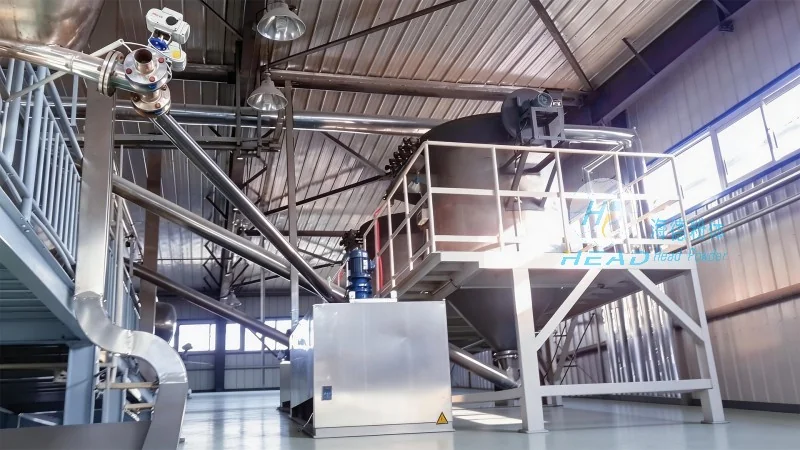
The working principle of fine powder conveying systems varies depending on the type of system used. The most common types are pneumatic and mechanical systems. Pneumatic conveying systems operate on the principle of using compressed air to transport fine powders. The air flow creates a pressure differential that pulls the fine powder particles into the pipeline. The velocity of the air is carefully controlled to ensure that the powder particles are carried without causing excessive wear on the system components. Mechanical conveying systems, on the other hand, rely on mechanical motion to move the material. Screw conveyors use rotating screws to push the fine powder along the pipeline, while belt conveyors use moving belts to transport the material. Both systems are designed to handle different types of fine powders and operating conditions. The choice of system depends on factors such as the material's properties, the required conveying distance, and the desired flow rate.
Importance of Proper System Design and Maintenance
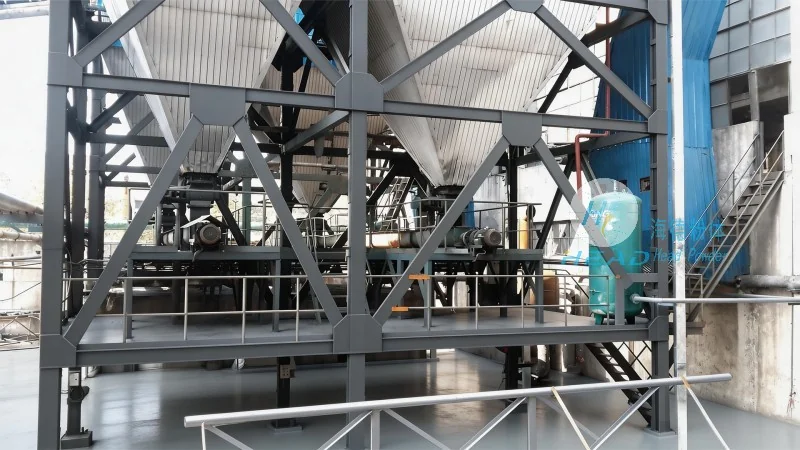
Proper system design and regular maintenance are critical for the efficient and safe operation of fine powder conveying systems. A well-designed system takes into account the specific characteristics of the fine powder, such as particle size, moisture content, and flowability. These factors influence the choice of conveyor type, material of construction, and system layout. Regular maintenance, including cleaning, lubrication, and inspection of components, is essential to prevent blockages, wear, and other issues that can reduce system efficiency and increase downtime. Companies like Shandong HeadPowder Engineering Co., Ltd. offer comprehensive maintenance services and technical support to ensure that their systems operate at peak performance. By adhering to best practices in system design and maintenance, industries can maximize the lifespan of their conveying equipment and minimize operational costs.
Applications and Benefits of Fine Powder Conveying
Fine powder material conveying systems are used in a wide range of applications across various industries. In the pharmaceutical industry, these systems are used to transport active pharmaceutical ingredients (APIs) and excipients with high precision and minimal contamination. In the chemical industry, they are used to handle reactive powders and prevent cross-contamination. In the food processing industry, they are used to transport ingredients such as flour, sugar, and spices while maintaining food safety standards. The benefits of fine powder conveying systems include improved efficiency, reduced labor costs, and enhanced safety. By automating the material handling process, industries can achieve higher production rates and lower operational costs. Additionally, proper system design and maintenance help to minimize environmental impact by reducing dust emissions and preventing material loss.