

The Operation Process and Working Principle of Powder Bin Material Conveying
Efficient material handling is a cornerstone of modern industrial operations, and the process of conveying materials from powder bins to processing units is a critical step that ensures smooth workflow and optimal productivity. Understanding the operation process and working principles of powder bin material conveying systems is essential for industries dealing with bulk powders, such as pharmaceuticals, chemicals, food processing, and manufacturing. These systems are designed to transport powders reliably, maintain consistent flow rates, and minimize material loss or contamination, making them indispensable in various production environments.
Overview of Powder Bin Material Conveying Systems
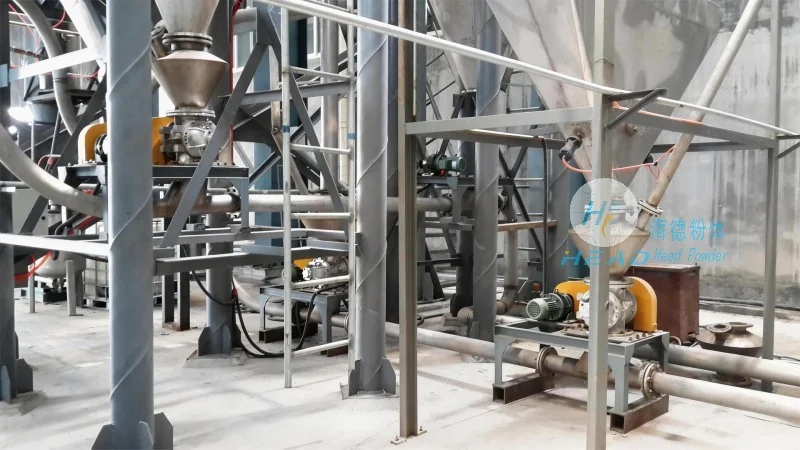
Powder bin material conveying systems are specialized equipment used to transfer bulk powders from storage bins or hoppers to downstream processing equipment, such as mixers, reactors, or packaging machines. The primary goal of these systems is to ensure a continuous and controlled flow of material, while maintaining the integrity and quality of the powder. Key components typically include the powder bin itself, a conveying mechanism (like a screw conveyor, pneumatic conveyor, or bucket elevator), control systems, and safety features. The design of these systems varies based on the type of powder, the required flow rate, and the specific application, but all aim to provide a reliable and efficient material transfer solution.
The Operation Process of Powder Bin Material Conveying
The operation process of powder bin material conveying involves several key steps that ensure the smooth and efficient transfer of material. First, the powder is loaded into the storage bin, which may be equipped with a hopper or a charging system to facilitate the initial feeding. Next, the conveying mechanism is activated, either by a motor-driven screw, air pressure in a pneumatic system, or mechanical action in a bucket elevator. The material is then moved from the bin to the discharge point, where it is transferred to the next stage of the production process. Throughout this process, the system may include sensors and control devices to monitor flow rates, detect blockages, and adjust the conveying speed as needed. The entire operation is designed to be automated, reducing the need for manual intervention and minimizing the risk of human error. The process is typically continuous, allowing for a steady supply of material to the processing equipment, which is crucial for maintaining production efficiency.
Working Principles of Powder Bin Material Conveying
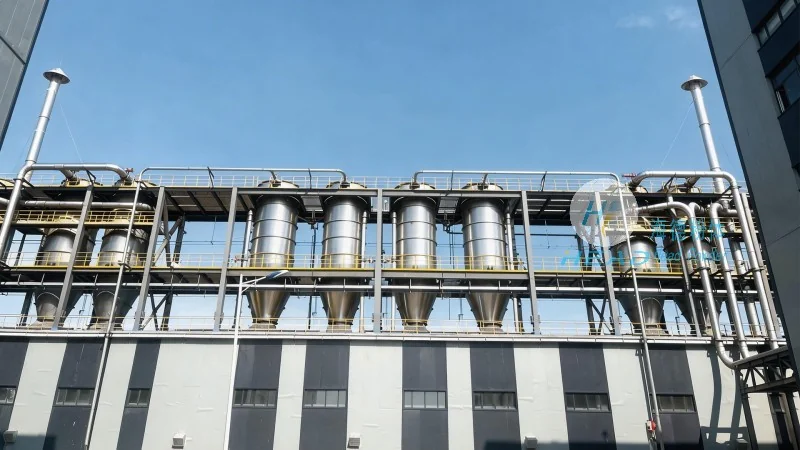
The working principles of powder bin material conveying systems are based on the physical properties of the material and the mechanical or pneumatic forces applied to move it. For screw conveyors, the principle involves the rotation of a screw (or auger) within a trough, which pushes the powder forward due to friction and the helical design. The speed and pitch of the screw determine the flow rate and the pressure exerted on the material. Pneumatic conveyors, on the other hand, use compressed air to create a flow of material through a pipeline. The air velocity is controlled to ensure the powder is carried without segregation or degradation. Bucket elevators utilize a series of buckets attached to a belt or chain, which lift the material vertically and then discharge it at the top. Each of these mechanisms operates on fundamental principles of fluid dynamics and mechanical engineering, ensuring that the material is moved efficiently and safely.
Key Features and Benefits of Powder Bin Material Conveying Systems
Modern powder bin material conveying systems offer several key features that enhance their performance and reliability. These include variable speed control, which allows for adjustment of the flow rate based on production demands; material flow monitoring, which provides real-time data on the quantity and velocity of the material; and automatic cleaning systems, which prevent material buildup and maintain system efficiency. The benefits of these systems extend beyond just efficient material transfer. They help reduce material waste by minimizing spillage and loss during transfer, improve product quality by preventing contamination from external sources, and enhance workplace safety by reducing the need for manual handling of bulk powders. Additionally, the automation of these systems contributes to overall operational efficiency, allowing production lines to run continuously with minimal downtime.
Company Introduction: Shandong HeadPowder Engineering Co., Ltd.
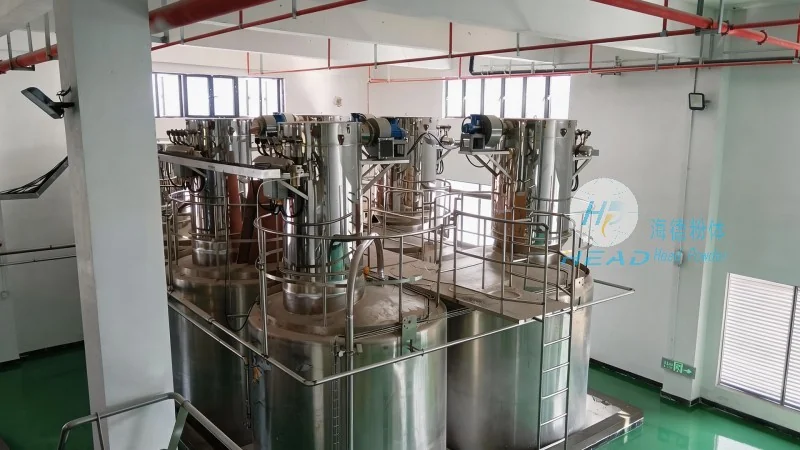
At Shandong HeadPowder Engineering Co., Ltd., we specialize in the design, manufacturing, and installation of high-quality powder bin material conveying systems. Our company, commonly known as headpowder, is committed to providing reliable and efficient solutions for industries that rely on bulk powder handling. With years of experience in the field, we understand the unique challenges of material transfer and have developed advanced systems that address these challenges effectively. Our team of engineers and technicians works closely with clients to understand their specific needs and tailor solutions that meet their production requirements. We use high-quality materials and advanced manufacturing techniques to ensure that our systems are durable, long-lasting, and easy to maintain. Our goal is to help our clients improve their operational efficiency, reduce costs, and enhance product quality through reliable material handling solutions.
Conclusion
In conclusion, powder bin material conveying systems play a vital role in modern industrial operations by ensuring the efficient and reliable transfer of bulk powders. The operation process and working principles of these systems are designed to meet the specific needs of various industries, providing a continuous and controlled flow of material. Companies like Shandong HeadPowder Engineering Co., Ltd. are dedicated to providing advanced and reliable solutions that enhance productivity and maintain product quality. By understanding the importance of these systems and investing in high-quality equipment, industries can improve their overall performance and stay competitive in today's market.