

Operation Process and Working Principle of Clay Material Conveying Equipment
Clay material conveying equipment plays a crucial role in various industrial applications, particularly in sectors such as ceramics, construction, and chemical processing. These systems are designed to efficiently transport clay and other similar bulk materials from one location to another, ensuring smooth production workflows and minimizing operational disruptions. The equipment's design and functionality are tailored to handle the unique properties of clay, including its moisture content, particle size, and flow characteristics. By understanding the operation process and working principle of these devices, users can optimize their usage, enhance productivity, and maintain equipment longevity. Shandong HeadPowder Engineering Co., Ltd., a leading manufacturer based in China, specializes in the design and production of high-quality clay material conveying equipment, providing reliable solutions for industrial needs.
Key Components of Clay Material Conveying Systems
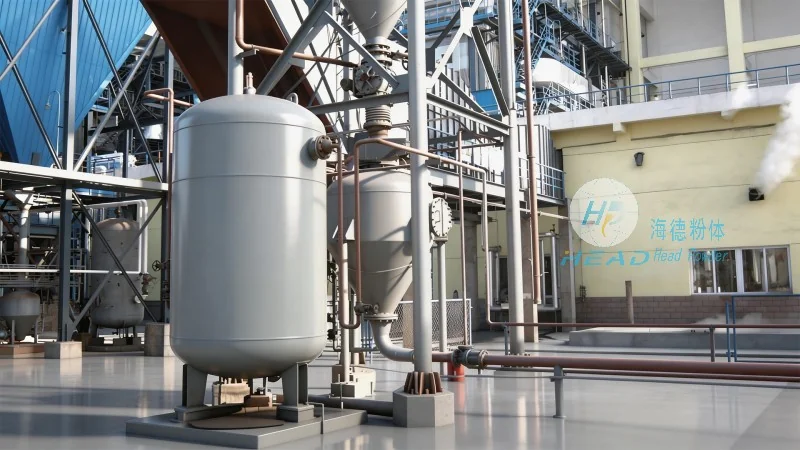
Clay material conveying equipment typically consists of several essential components that work in tandem to achieve efficient material transport. The primary components include a feeding mechanism, a conveying unit (such as a screw conveyor or belt conveyor), a control system, and a discharge outlet. The feeding mechanism is responsible for introducing clay material into the system, often using a hopper or a feeder that regulates the flow rate. The conveying unit then transports the material through the system, utilizing mechanical energy to move the clay along the desired path. The control system monitors and adjusts various parameters, such as speed and pressure, to ensure optimal performance. Finally, the discharge outlet allows the material to exit the system, ready for further processing or use. Each component is carefully engineered to work together, ensuring that the entire system operates efficiently and reliably.
Operation Process of Clay Material Conveying Equipment
The operation process of clay material conveying equipment involves several sequential steps that ensure the smooth and continuous movement of clay. First, the clay material is fed into the system through the feeding mechanism, which may include a hopper or a rotary feeder. The feeding rate is carefully controlled to match the conveying capacity of the system, preventing overloading or underloading. Next, the material enters the conveying unit, where it is propelled forward by mechanical means. For example, a screw conveyor uses rotating screws to push the clay along the conveyor shaft, while a belt conveyor relies on a moving belt to transport the material. The conveying unit may include multiple sections, such as vertical or inclined segments, to handle changes in elevation or direction. As the clay moves through the system, it is continuously monitored by the control system, which adjusts parameters as needed to maintain consistent flow. Finally, the material is discharged from the system at the designated outlet, completing the transport process. This sequential operation ensures that the material is transported efficiently and without interruption, supporting continuous production processes.
Working Principle of Clay Material Conveying Equipment
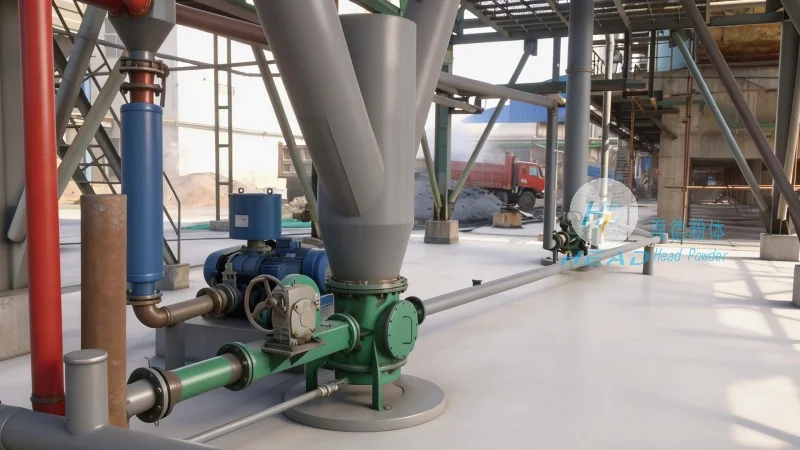
The working principle of clay material conveying equipment is based on the application of mechanical force to move bulk materials. The primary mechanism involves the use of a conveying unit that applies a continuous force to the material, overcoming friction and gravity to ensure movement. In screw conveyors, for instance, the rotating screws create a helical path that pulls the clay forward, while the pitch and diameter of the screws are optimized to handle the specific characteristics of clay. Belt conveyors operate by using a moving belt that carries the material, with the belt speed and tension adjusted to maintain proper material loading. The control system plays a critical role in regulating the operation, using sensors to detect the material level, flow rate, and temperature. By monitoring these parameters, the system can automatically adjust its performance, ensuring that the conveying process remains efficient and reliable. Additionally, the design of the equipment, including the material of construction and the sealing of components, is crucial to prevent material leakage and contamination, which is particularly important for clay materials that may be sensitive to moisture or other environmental factors. The working principle emphasizes efficiency, reliability, and adaptability to the unique properties of clay.
Applications and Benefits of Clay Material Conveying Equipment
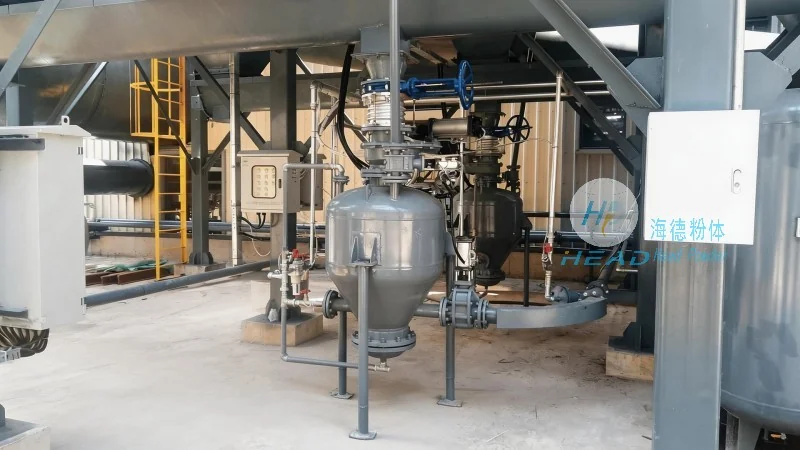
Clay material conveying equipment is widely used in various industrial applications, including the production of ceramics, bricks, and tiles. In these processes, the equipment is used to transport raw clay from storage areas to processing lines, ensuring a consistent supply of material for production. The equipment also finds applications in the chemical industry, where clay is used as a filter medium or as a raw material for various products. The benefits of using clay material conveying equipment include improved efficiency, reduced labor costs, and enhanced safety. By automating the material transport process, these systems minimize the need for manual handling, which reduces the risk of accidents and injuries. Additionally, the equipment's ability to handle large volumes of material at a consistent rate improves production throughput, leading to increased productivity and profitability. Furthermore, the equipment's design allows for easy maintenance and cleaning, which helps to maintain its performance and extend its operational life. These advantages make clay material conveying equipment an essential component in many industrial settings, supporting smooth and efficient operations.
Maintenance and Troubleshooting for Clay Material Conveying Equipment
Proper maintenance is essential to ensure the reliable operation of clay material conveying equipment. Regular maintenance tasks include inspecting the conveying unit for wear and tear, checking the condition of the screws or belts, and ensuring that the control system is functioning correctly. The feeding mechanism should also be inspected to ensure that it is properly aligned and that the flow rate is consistent. In addition to regular maintenance, users should be aware of common troubleshooting issues that may arise during operation. For example, if the material flow is uneven or the conveying speed is reduced, it may indicate a blockage in the system or a worn-out component. In such cases, the system should be stopped and inspected to identify and resolve the issue. Additionally, the control system may provide error messages or alerts that indicate problems with the sensors or other components. By addressing these issues promptly, users can minimize downtime and maintain the equipment's performance. It is also important to follow the manufacturer's guidelines for maintenance and operation, as this ensures that the equipment is used within its design specifications and that any warranties are not voided. Proper maintenance and troubleshooting practices help to extend the lifespan of the equipment and ensure consistent performance.