

Operation Process and Working Principle of Diatomite Material Handling Equipment
Diatomite, a natural sedimentary rock composed of fossilized diatoms, is widely used in various industrial applications due to its unique properties such as high porosity, low bulk density, and excellent filtration capabilities. The efficient handling and transportation of diatomite are crucial for industrial processes, and specialized equipment designed for this purpose ensures optimal performance and safety. This article provides an in-depth look at the operation process and working principle of diatomite material handling equipment, highlighting key components, operational steps, and the technical aspects that contribute to its effectiveness. The equipment is manufactured by Shandong HeadPowder Engineering Co., Ltd., a leading provider of industrial material handling solutions in China.
Key Components of Diatomite Material Handling Systems
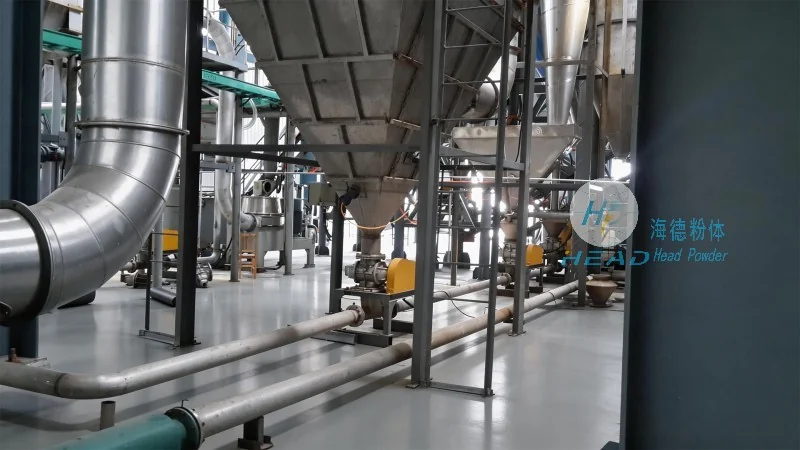
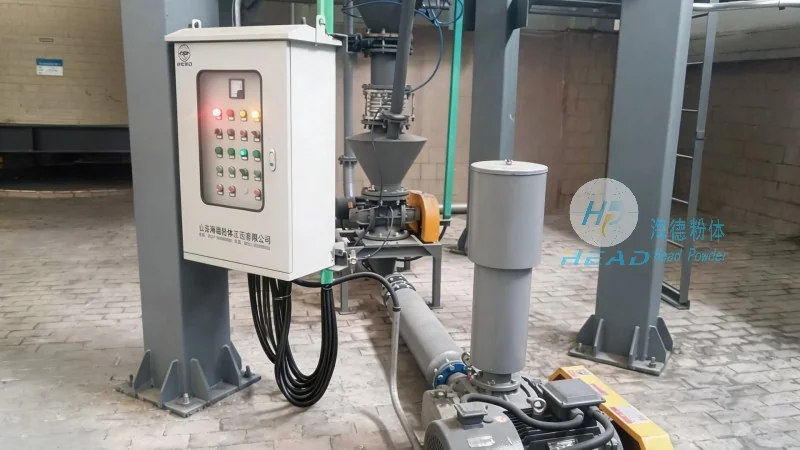
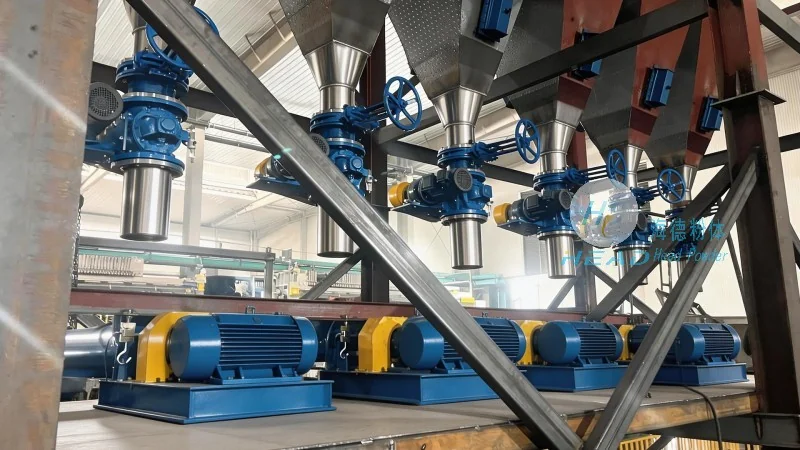
The diatomite material handling equipment typically consists of several critical components that work in tandem to ensure smooth material transport. These components include feed hoppers, conveyor systems (such as belt conveyors or screw conveyors), dust collection systems, and control panels. The feed hopper is responsible for receiving and storing the diatomite, while the conveyor system transports the material from the hopper to the processing or storage area. Dust collection systems are essential to maintain air quality and prevent dust contamination, which is particularly important in industrial environments where diatomite is handled. The control panel allows operators to monitor and adjust the equipment's performance, ensuring efficient operation.
Operation Process of Diatomite Material Handling Equipment
The operation process of diatomite material handling equipment begins with the loading of diatomite into the feed hopper. The material is then released into the conveyor system, which moves it along the designated path. The speed and direction of the conveyor can be adjusted based on the processing requirements. As the diatomite moves through the system, it may pass through a series of processing steps, such as screening or drying, depending on the application. The equipment is designed to handle the unique characteristics of diatomite, including its lightweight and dusty nature, ensuring that the material is transported without degradation or loss. The entire process is automated to a large extent, reducing the need for manual intervention and enhancing operational efficiency.
Working Principle of the Conveyor System
The conveyor system is the core component of the diatomite material handling equipment, responsible for the physical movement of the material. In most systems, a belt conveyor is used, which consists of a continuous belt that moves over rollers or pulleys. The diatomite is placed on the belt, and the motor-driven pulleys move the belt, thereby transporting the material. The speed of the conveyor can be controlled to adjust the flow rate of the diatomite, ensuring that the downstream processes receive the material at the required rate. For screw conveyors, a rotating screw inside a tube moves the material forward, which is particularly useful for handling fine or powdery materials like diatomite. The working principle of these systems is based on mechanical energy conversion, where the motor's rotational energy is transferred to the conveyor components to achieve material transport.
Dust Control and Environmental Considerations
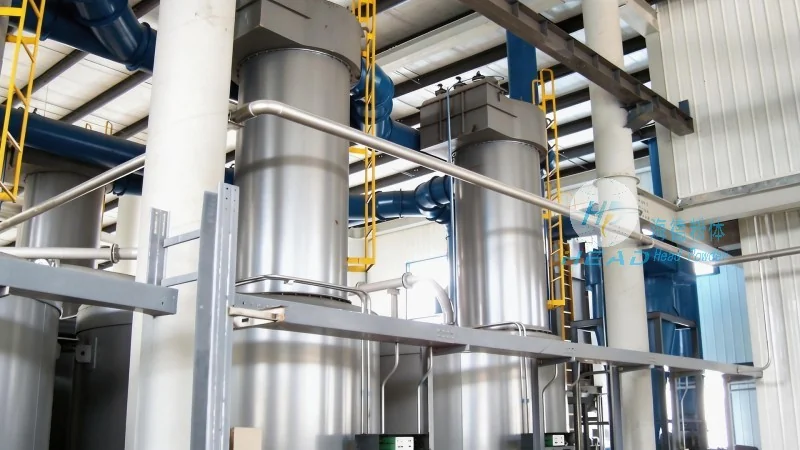
Handling diatomite involves managing dust, which can be a health hazard and affect the surrounding environment. The equipment is equipped with dust collection systems, such as bag filters or cyclones, that capture and remove dust particles from the air. These systems ensure that the air quality remains within acceptable limits and prevents dust from being released into the environment. Additionally, the equipment is designed with sealed components to minimize dust leakage, further enhancing environmental safety. The dust control measures are crucial for maintaining compliance with environmental regulations and ensuring the well-being of workers in the facility.
Maintenance and Operational Efficiency
Regular maintenance is essential to ensure the long-term performance and efficiency of diatomite material handling equipment. The conveyor belts, rollers, and motors require periodic inspection and lubrication to prevent wear and tear. The dust collection systems need to be cleaned and maintained to ensure optimal filtration efficiency. The control panel should be checked regularly to ensure that all sensors and controls are functioning correctly. By following a proper maintenance schedule, the equipment can operate at peak efficiency, reducing downtime and maintenance costs. The use of high-quality materials and components also contributes to the longevity of the equipment, ensuring that it can handle the demands of industrial diatomite processing for extended periods.
Application Examples and Industrial Use Cases
Diatomite material handling equipment is widely used in various industries, including filtration, cosmetics, and construction. In the filtration industry, the equipment is used to transport diatomite to filtration plants, where it is used to produce high-quality filter media. In the cosmetics industry, diatomite is used as an absorbent and exfoliant, and the equipment ensures that the material is handled safely and efficiently during production. In the construction industry, diatomite is used as a lightweight aggregate in concrete and other building materials, and the equipment facilitates its transport to construction sites. These applications highlight the importance of reliable material handling equipment in ensuring the quality and consistency of diatomite-based products.
Conclusion
The operation process and working principle of diatomite material handling equipment are critical to the efficient and safe processing of diatomite in industrial applications. The equipment, manufactured by Shandong HeadPowder Engineering Co., Ltd., incorporates advanced technology and design to handle the unique characteristics of diatomite, ensuring optimal performance and environmental compliance. By understanding the key components, operation process, and maintenance requirements, industrial facilities can effectively utilize diatomite material handling equipment to enhance their production processes and meet the demands of their respective industries.