

Operation Process and Working Principle of Potassium Carbonate Material Conveying Line
HeadPowder, a leading engineering firm based in Shandong, China, specializes in the design and implementation of advanced material handling systems tailored for industrial applications. This article provides a detailed overview of the operation process and working principle of a potassium carbonate material conveying line, highlighting the key components, operational workflow, and technical aspects that ensure efficient and reliable material transport.
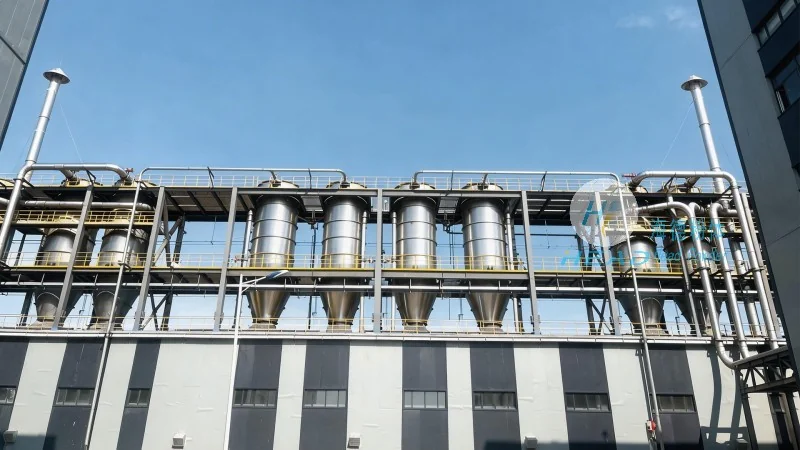
Introduction to Potassium Carbonate Material Conveying Lines
Potassium carbonate (K₂CO₃), commonly known as potash, is a vital chemical compound used in various industries, including food processing, pharmaceuticals, and chemical manufacturing. The efficient transportation of this material from storage to processing units is crucial for maintaining production efficiency and minimizing downtime. A well-designed material conveying line for potassium carbonate must address challenges such as material flow control, dust suppression, and equipment durability, given the nature of the substance and the demanding operational environments.
Key Components of the Conveying System
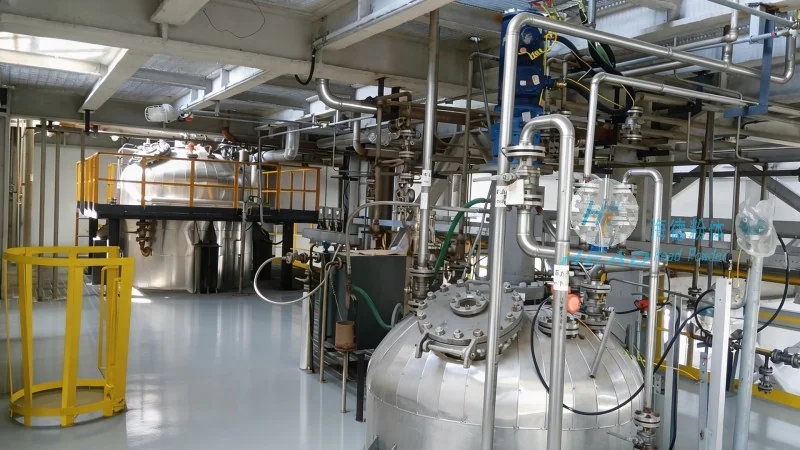
The potassium carbonate material conveying line typically consists of several integrated components that work in tandem to ensure seamless material transport. These components include feed hoppers, conveyor belts or screw conveyors, dust collection systems, and control panels. Each component plays a critical role in the overall functionality of the system. The feed hopper is responsible for receiving and storing the potassium carbonate from bulk storage, ensuring a consistent feed rate to the conveyor. The conveyor itself, whether a belt conveyor or a screw conveyor, is the primary mechanism for moving the material through the system. Dust collection systems are essential to maintain air quality and prevent material loss during transport. The control panel allows operators to monitor and adjust the system parameters in real-time, ensuring optimal performance.
Operation Process of the Conveying Line
The operation of the potassium carbonate material conveying line begins with the loading of the material into the feed hopper. The hopper is equipped with a level sensor that monitors the material level and signals the control system when it needs to be replenished. Once the hopper is filled to the appropriate level, the material is released into the conveyor system. The conveyor then transports the potassium carbonate to the processing unit or storage area. The speed of the conveyor can be adjusted based on the production requirements, allowing for flexible material flow management. During the transport process, the dust collection system continuously captures any airborne particles, preventing contamination and maintaining a safe working environment. The control panel provides real-time data on the material flow rate, conveyor speed, and system status, enabling operators to quickly identify and address any issues that may arise.
Working Principle of the Conveying System
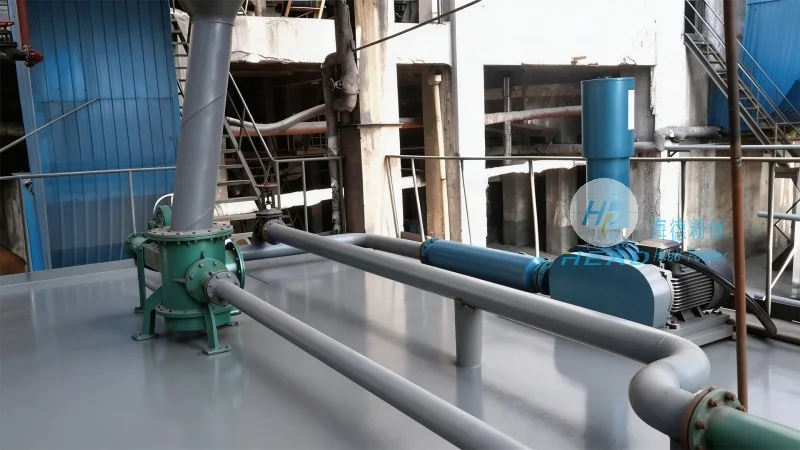
The working principle of the potassium carbonate material conveying line is based on mechanical energy transfer and material flow dynamics. The feed hopper uses gravity to release the material into the conveyor. For belt conveyors, the material is carried by the moving belt, while screw conveyors use a rotating screw to push the material forward. The speed and tension of the conveyor are carefully controlled to ensure that the material is transported without excessive friction or spillage. The dust collection system operates by creating a negative pressure in the conveyor area, drawing in any airborne particles and capturing them in a filter or baghouse. The control panel uses sensors and actuators to regulate the system parameters, such as conveyor speed and feed rate, based on the input from the level sensor and other monitoring devices. This closed-loop control system ensures that the conveying line operates efficiently and reliably, minimizing energy consumption and maximizing material throughput.
Technical Advantages and Considerations
The design of the potassium carbonate material conveying line incorporates several technical advantages that enhance its performance and longevity. For instance, the use of corrosion-resistant materials, such as stainless steel, in the conveyor components ensures durability in the presence of moisture and chemical exposure. The dust suppression system is designed to minimize material loss and maintain air quality, which is critical for compliance with environmental regulations. The control system provides real-time monitoring and adjustment capabilities, allowing for quick response to changes in production demand. However, the system also requires regular maintenance to ensure optimal performance. This includes cleaning the conveyor belt or screw, checking the tension and alignment of components, and inspecting the dust collection system for clogs or damage. Proper maintenance is essential to prevent equipment failure and ensure the long-term reliability of the conveying line.
Conclusion
In conclusion, the operation process and working principle of a potassium carbonate material conveying line are critical to the efficient and safe handling of this important chemical compound. The integrated components, including feed hoppers, conveyors, dust collection systems, and control panels, work together to ensure consistent material flow and minimal downtime. HeadPowder, with its expertise in engineering and material handling, provides comprehensive solutions for the design and implementation of such systems, ensuring that clients can meet their production requirements while maintaining safety and environmental standards. The detailed understanding of the conveying line's operation and principles is essential for optimizing performance and maximizing the lifespan of the equipment.