

Operation Process and Working Principle of Quartz Sand Material Conveying Line
Quartz sand material conveying lines are essential in industrial settings for the efficient transportation of quartz sand, a key raw material in various applications such as glass manufacturing, construction, and chemical processing. Understanding the operation process and working principle of these systems is crucial for optimizing performance and ensuring reliable material handling. This article provides a detailed overview of the components, operational steps, and underlying mechanisms that enable the smooth and efficient movement of quartz sand through the conveying line.
Introduction to Quartz Sand Material Conveying Lines
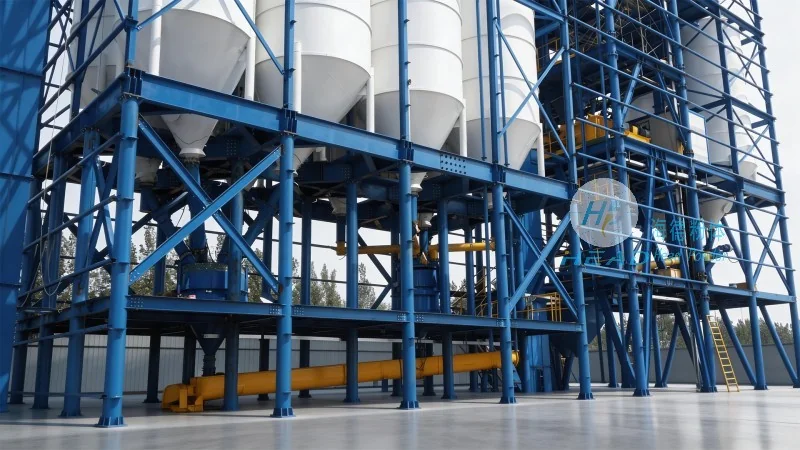
Quartz sand, characterized by its high purity and durability, is widely used in industries that require fine or coarse sand for production processes. The conveying line designed for quartz sand typically consists of several key components, including hoppers, feeders, conveyor belts or buckets, idlers, pulleys, and control systems. Each component plays a vital role in the overall functionality of the system, working in tandem to ensure that quartz sand is transported from the source to the destination with minimal loss and maximum efficiency.
Company Profile: Shandong HeadPowder Engineering Co., Ltd.
Headpowder, a leading provider of material handling solutions, specializes in designing and manufacturing high-quality conveying systems tailored to the needs of various industries. With a focus on innovation and precision engineering, HeadPowder ensures that its quartz sand material conveying lines meet the highest standards of performance and reliability. The company is headquartered in Shandong, China, and serves clients globally with customized solutions that enhance operational efficiency and reduce downtime.
Components of a Quartz Sand Material Conveying Line
The core components of a quartz sand material conveying line include the following:
1. Hoppers: These are large containers that store the quartz sand before it is fed into the conveyor system. Hoppers are designed to hold a significant volume of material and are equipped with discharge gates to regulate the flow of sand into the feeder.
2. Feeders: Feeders are responsible for controlling the rate at which quartz sand is released from the hopper into the conveyor. Common types include screw feeders, vibratory feeders, and belt feeders, each offering different levels of control and material handling capabilities.
3. Conveyor System: This is the primary component that transports the quartz sand. Depending on the application, the conveyor may be a belt conveyor, bucket elevator, or screw conveyor. For quartz sand, belt conveyors are often preferred due to their ability to handle fine and abrasive materials without excessive wear.
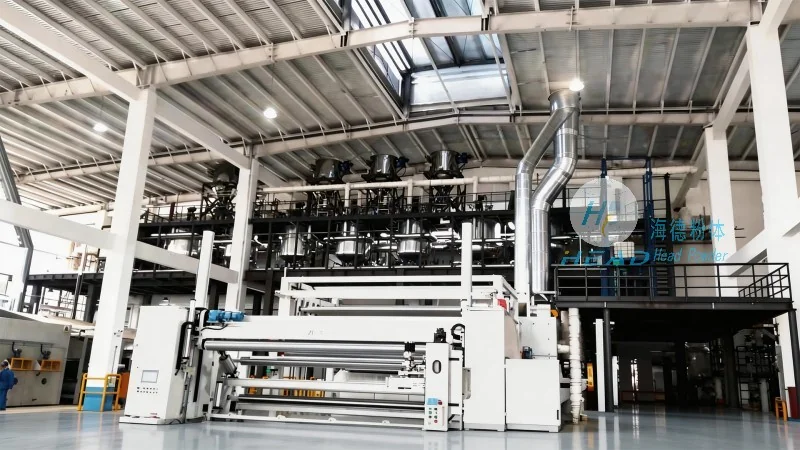
4. Idlers and Pulleys: Idlers provide support to the conveyor belt, while pulleys drive the belt's movement. Properly aligned and maintained idlers and pulleys are essential for preventing belt slippage and ensuring smooth operation.
5. Control System: The control system manages the operation of the entire conveying line, including the feeders, conveyor speed, and safety features. It may include sensors to detect material levels, belt tension, and operational status, allowing for real-time monitoring and adjustments.
Operation Process of Quartz Sand Material Conveying Line
The operation of a quartz sand material conveying line follows a systematic sequence of steps, starting from the initial loading of the hopper to the final discharge of the material at the destination. Here is a detailed breakdown of the process:
1. Material Loading: Quartz sand is loaded into the hopper from a storage silo or bulk container. The hopper is designed to accommodate the bulk volume of sand, ensuring a steady supply for the conveyor system.
2. Feeder Activation: Once the hopper is filled, the feeder is activated to regulate the flow of sand into the conveyor. The feeder controls the rate of material discharge, preventing overloading or underloading of the conveyor belt.
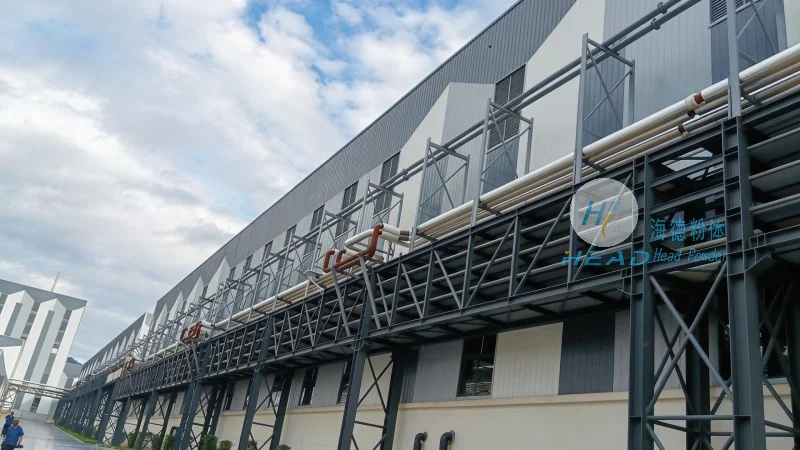
3. Conveyor Start-up: The conveyor system is started, and the belt begins to move. The speed of the conveyor is adjusted based on the required throughput and the characteristics of the quartz sand (e.g., particle size, moisture content).
4. Material Transport: As the conveyor belt moves, the quartz sand is carried along its path. The belt's design, including the angle of inclination and the type of belt (e.g., rubber or PVC), affects the efficiency of material transport. For steep inclines, bucket elevators may be used to lift the sand vertically.
5. Discharge and Unloading: At the end of the conveyor line, the quartz sand is discharged into a receiving hopper or storage container. The discharge mechanism is designed to ensure that the material is released smoothly without causing blockages or spillage.
6. Monitoring and Control: Throughout the operation, the control system monitors key parameters such as material level, belt tension, and operational speed. Any deviations are detected and corrected automatically, ensuring consistent performance and preventing equipment damage.
Working Principle of Quartz Sand Material Conveying Line
The working principle of a quartz sand material conveying line is based on the mechanical transfer of material from one point to another using a conveyor system. The key principles involved include gravity, friction, and mechanical drive. Here's a detailed explanation of how these principles are applied:
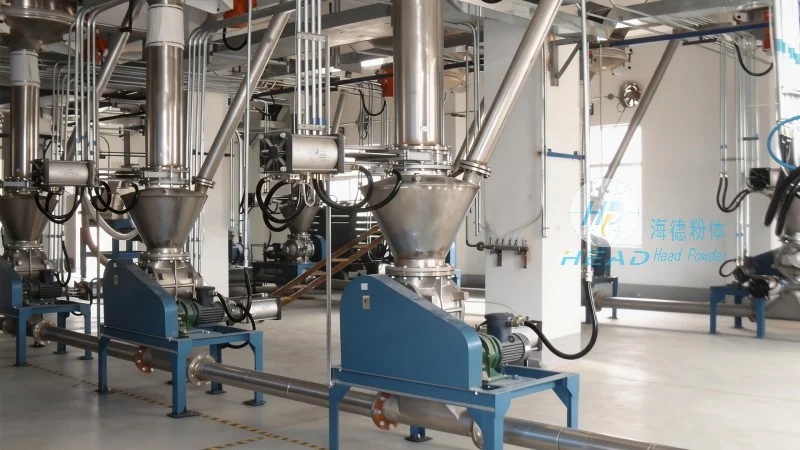
1. Gravity and Inclination: In horizontal or slightly inclined conveyor systems, gravity assists in moving the quartz sand along the belt. The angle of inclination is carefully calculated to ensure that the material moves without slipping or requiring excessive power.
2. Friction and Belt Tension: The conveyor belt exerts friction on the quartz sand particles, allowing them to be carried along the belt's surface. Proper belt tension is crucial to maintain this friction, preventing slippage and ensuring efficient material transport.
3. Mechanical Drive: The conveyor system is driven by a motor that rotates the pulleys, causing the belt to move. The speed of the motor is adjusted to control the conveyor's speed, which directly impacts the throughput of the quartz sand.
4. Control Mechanisms: Sensors and control devices monitor the system's performance, adjusting parameters such as feeder speed and conveyor speed to maintain optimal operation. This feedback loop ensures that the conveying line operates efficiently and safely.
Benefits of Using Quartz Sand Material Conveying Lines
Implementing a quartz sand material conveying line offers several benefits for industrial operations. These include:
1. Increased Efficiency: Automated conveying systems reduce the need for manual labor, leading to higher throughput and reduced operational costs.