

Operation Process and Working Principle of Dolomite Material Conveying Lines
HeadPowder, a leading engineering firm based in Shandong, China, specializes in the design, manufacturing, and installation of advanced material handling systems. One of their core products is the dolomite material conveying line, which is engineered to efficiently transport dolomite, a widely used industrial mineral, from extraction sites to processing facilities. This article delves into the operation process and working principle of such a system, highlighting its key components, operational flow, and technical advantages.
Key Components of the Dolomite Conveying Line
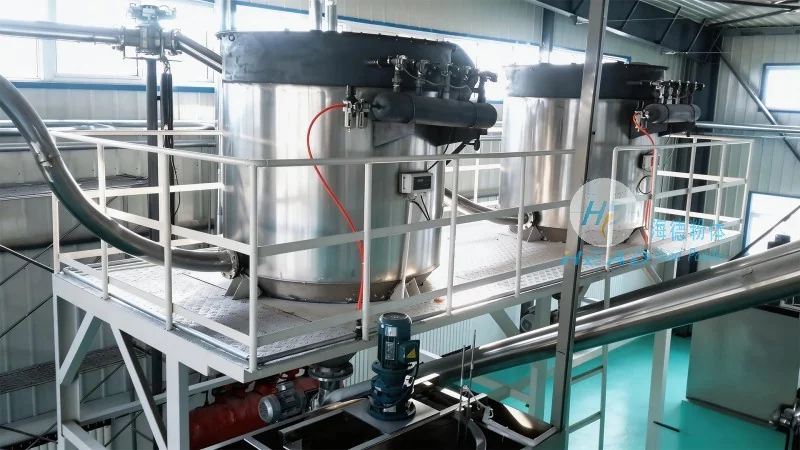
The dolomite material conveying line typically consists of several interconnected components that work in tandem to ensure smooth material transport. The primary components include feed hoppers, conveyor belts or screw conveyors, idler rollers, drive mechanisms, and control systems. Feed hoppers are used to collect and store dolomite from stockpiles or raw material bins, ensuring a consistent feed rate. Conveyor belts, often made of durable rubber or synthetic materials, are designed to handle the abrasive nature of dolomite, preventing wear and tear. Idler rollers support the belt and maintain proper tension, while drive mechanisms, such as electric motors and gearboxes, provide the necessary power to move the material along the line. Control systems, including sensors and programmable logic controllers (PLCs), monitor the flow rate, detect blockages, and adjust the system's performance to maintain optimal operation.
Operation Process of the Dolomite Conveying Line
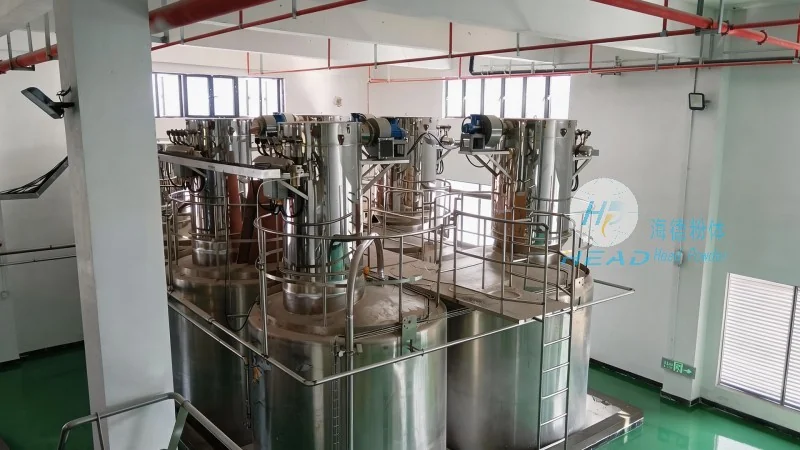
The operation of a dolomite material conveying line follows a systematic sequence that ensures efficient material handling. The process begins with the dolomite being loaded into the feed hopper from a stockpile or raw material storage area. The hopper's design, often with a sloped bottom, allows the material to flow into the conveyor belt or screw conveyor under gravity. As the material enters the conveyor system, it is moved along the path from the feed point to the discharge point. The conveyor belt or screw conveyor rotates, transporting the dolomite through the system. At intermediate points, the material may be transferred to other conveyors or processing equipment, such as crushers or screens, for further processing. The control system continuously monitors the flow rate and adjusts the speed of the conveyor as needed to maintain a steady output. If a blockage occurs, the system automatically shuts down or alerts operators, preventing damage to the equipment and ensuring safety.
Working Principle of the Dolomite Conveying Line
The working principle of the dolomite material conveying line is based on mechanical energy transfer and material flow dynamics. The system relies on the gravitational force to move the material from the feed hopper into the conveyor. The conveyor belt or screw conveyor uses rotational motion to propel the dolomite forward. The idler rollers maintain the belt's tension and alignment, ensuring smooth operation. The drive mechanism, powered by an electric motor, converts electrical energy into mechanical energy to rotate the conveyor. The control system uses sensors to detect the material level in the hopper and the speed of the conveyor, adjusting the system's parameters to maintain optimal performance. This integrated approach ensures that the dolomite is transported efficiently and safely, minimizing downtime and maximizing productivity.
Technical Advantages and Applications
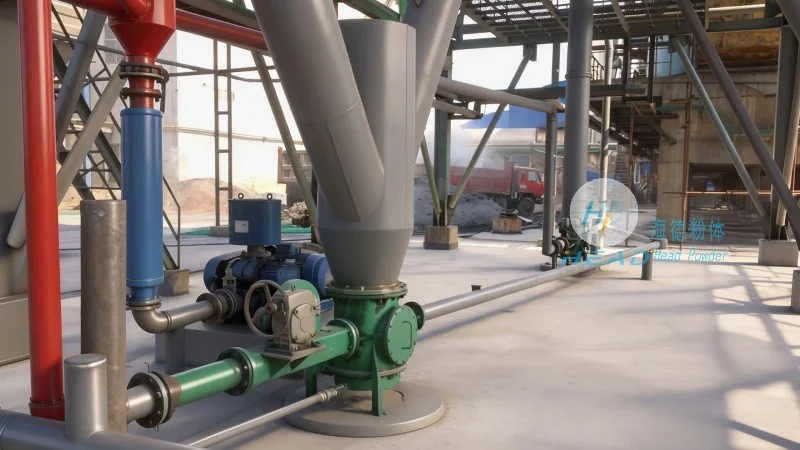
The dolomite material conveying line offers several technical advantages that make it suitable for industrial applications. Its design allows for high capacity and continuous operation, reducing the need for manual handling and increasing productivity. The use of durable materials and components ensures long service life and low maintenance costs. The system's modular design enables easy integration with other processing equipment, such as crushers and screens, allowing for a seamless material handling process. Dolomite is commonly used in various industries, including construction, cement production, and chemical manufacturing, making the conveying line a critical component in these processes. The system's ability to handle abrasive materials like dolomite makes it a reliable choice for industries that require efficient and safe material transport.