

Operation Process and Working Principle of Rice Grain Material Conveying Line
At Shandong HeadPowder Engineering Co., Ltd., we specialize in the design and manufacturing of efficient material handling systems tailored for various industrial applications. The rice grain material conveying line is a critical component in many food processing and agricultural industries, ensuring the smooth and safe transport of rice grains from one stage to another. This system is engineered to meet the specific demands of rice processing, combining reliability, durability, and precision in its operation.
Key Components of the Conveying Line
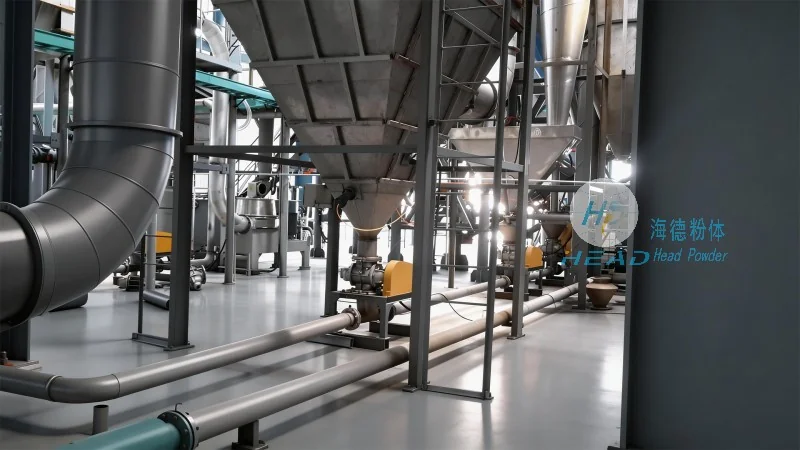
The rice grain material conveying line typically consists of several key components that work in tandem to achieve optimal performance. These components include feed hoppers, conveyor belts or chains, control panels, and discharge mechanisms. Each part plays a crucial role in the overall functionality of the system. The feed hopper is responsible for receiving raw rice grains and distributing them evenly onto the conveyor surface. This ensures consistent material flow and prevents blockages or uneven loading. The conveyor system, which can be either belt-driven or chain-driven, is designed to handle the weight and size of rice grains without causing damage or degradation. Control panels are integrated to monitor and adjust the speed and direction of the conveyor, allowing for real-time adjustments based on operational needs. Finally, the discharge mechanism ensures that the rice grains are delivered to the next processing stage efficiently and without spillage.
The Operation Process: Step-by-Step
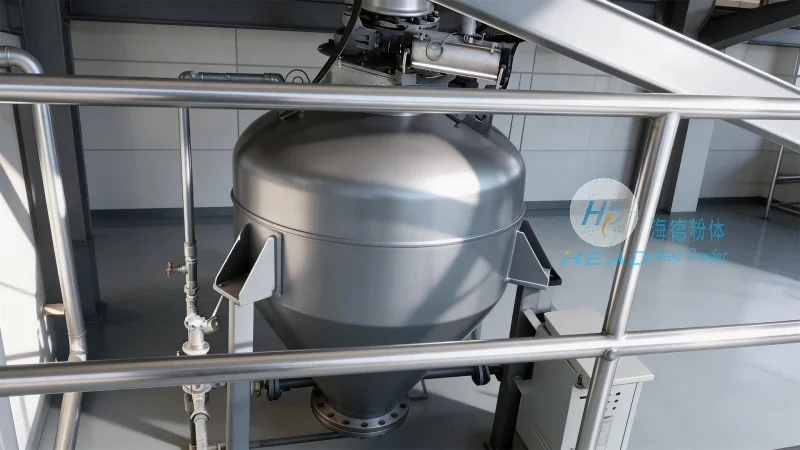
The operation of the rice grain material conveying line begins with the preparation of raw rice grains, which are typically stored in bulk storage silos or bags. The first step is the transfer of rice grains into the feed hopper. This is achieved through an automated feeding system that uses a screw conveyor or a pneumatic conveyor to move the rice from the storage area to the hopper. The feed hopper is designed with a sloped bottom to facilitate the even distribution of rice grains onto the conveyor belt. Once the hopper is filled to a certain level, the material is released into the conveyor system. The conveyor belt, made of food-grade rubber or plastic, moves the rice grains along a pre-defined path. The speed of the conveyor is controlled by the system's motor, which can be adjusted to accommodate different grain sizes and processing requirements. As the rice grains move along the conveyor, they are subjected to minimal friction and impact, ensuring that their quality is preserved. At the discharge end of the conveyor, the rice grains are collected in a collection bin or directly fed into a sorting or milling machine. The entire process is monitored by the control panel, which displays real-time data such as conveyor speed, material level, and motor temperature. Operators can use this information to make adjustments and ensure optimal performance. The system is equipped with safety features, such as emergency stop buttons and overload protection, to prevent accidents and equipment damage.
Working Principle: Mechanical and Electrical Integration
The working principle of the rice grain material conveying line is based on the integration of mechanical and electrical components to achieve precise control and reliable operation. The mechanical part includes the conveyor structure, which is designed to withstand the weight and abrasiveness of rice grains. This structure is typically made of durable materials such as stainless steel or high-quality plastic, ensuring longevity and resistance to corrosion. The electrical components include motors, sensors, and control circuits that regulate the movement of the conveyor. Motors drive the conveyor system, providing the necessary force to move the rice grains. Sensors are used to detect the level of material in the hopper and the position of the grains on the conveyor, allowing for automatic adjustments. The control panel acts as the central hub, processing input from sensors and sending commands to the motors and other components. This integration ensures that the system operates smoothly and efficiently, with minimal downtime and maximum productivity.
Advantages and Applications
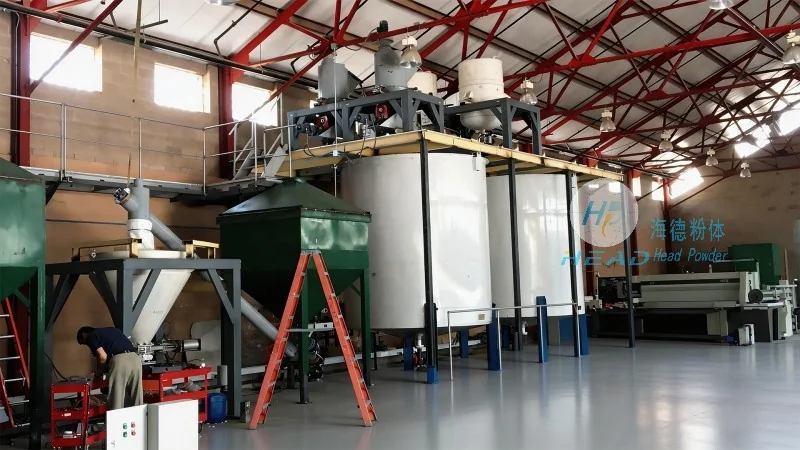
The rice grain material conveying line offers several advantages that make it an ideal choice for rice processing facilities. These include high efficiency, as the system can handle large volumes of rice grains with minimal labor. It also ensures consistent quality, as the grains are transported without damage or contamination. Additionally, the system is designed for easy maintenance and cleaning, which is crucial in food processing environments. The rice grain material conveying line is widely used in various applications, including rice milling, sorting, and packaging. It is also suitable for other grain processing industries, such as wheat or corn, where similar material handling requirements exist. The adaptability of the system allows it to be customized to meet the specific needs of different operations, making it a versatile solution for material transport in agricultural and food processing sectors.