

Operation Process and Working Principle of Dry Material Conveying System Equipment
Understanding the operation process and working principle of dry material conveying system equipment is crucial for optimizing material handling efficiency in various industrial applications. These systems are designed to transport bulk dry materials such as powders, granules, and pellets with precision and reliability, playing a vital role in sectors like pharmaceuticals, food processing, chemical manufacturing, and mining. The effectiveness of these systems directly impacts production throughput, safety, and overall operational costs, making a thorough grasp of their functionality essential for industry professionals.
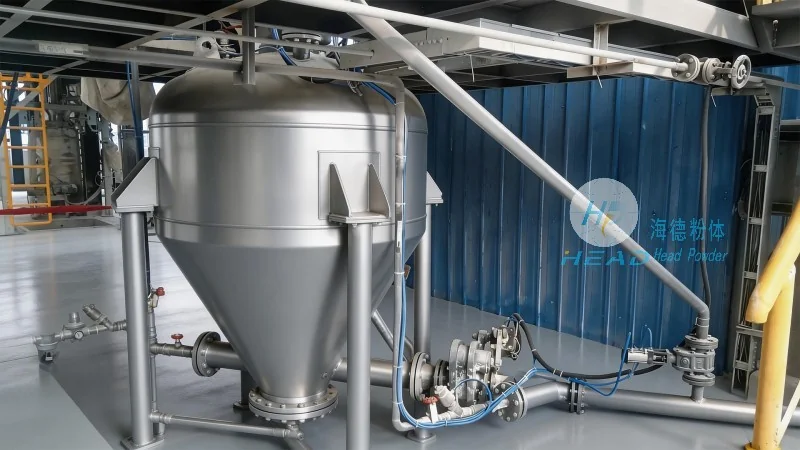
Company Introduction: Shandong HeadPowder Engineering Co., Ltd.
HeadPowder, as a leading manufacturer in the field of dry material handling solutions, specializes in developing and supplying high-quality conveying equipment tailored to diverse industrial needs. With a strong commitment to innovation and customer satisfaction, the company has established itself as a trusted partner for businesses seeking reliable and efficient material transport systems. HeadPowder's expertise lies in engineering custom solutions that meet specific operational requirements, ensuring optimal performance and durability in demanding environments. The company's headquarters is located in Shandong, China, where it leverages advanced technology and skilled engineering teams to deliver cutting-edge products and services.
Overview of Dry Material Conveying System Equipment
Dry material conveying systems encompass a range of equipment designed to move bulk dry materials from one location to another within industrial facilities. These systems are typically composed of components such as feeders, conveyors, control panels, and safety mechanisms, working in tandem to ensure smooth and continuous material flow. The choice of equipment depends on factors like material characteristics (e.g., particle size, moisture content, flowability), production capacity, and space constraints. Common types of dry material conveying systems include screw conveyors, belt conveyors, pneumatic conveyors, and bucket elevators, each offering unique advantages and applications.
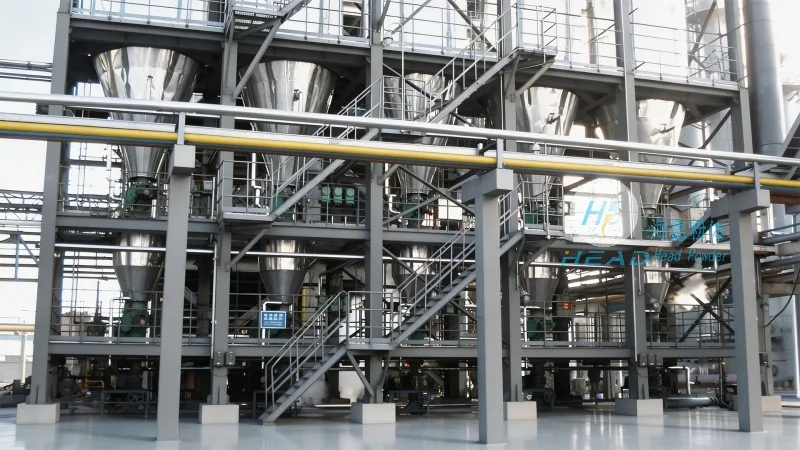
Key Components and Their Functions
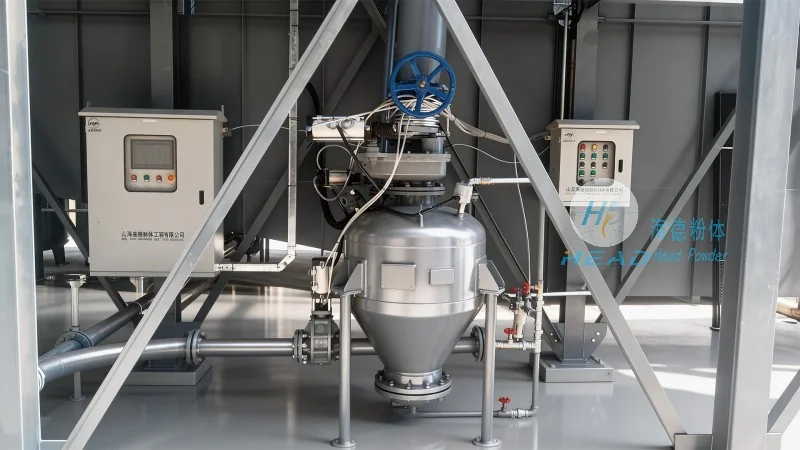
The operation of dry material conveying systems relies on several critical components, each playing a specific role in the overall process. The feeder is the initial component that receives and regulates the flow of dry material into the system, ensuring a consistent feed rate to prevent overloading or underfeeding. The conveyor itself is responsible for transporting the material through the system, utilizing mechanisms like rotation, vibration, or air pressure to move the material along the designated path. Control panels are integral to monitoring and controlling the system's operation, allowing operators to adjust parameters such as speed, pressure, and flow rate as needed. Safety features, including sensors and emergency stop buttons, are incorporated to protect personnel and equipment from potential hazards during operation.
Operation Process of Dry Material Conveying Systems
The operation process of dry material conveying systems typically follows a sequential workflow that ensures efficient material handling. The process begins with the loading of dry material into the feeder, where the material is metered and fed into the conveyor. The conveyor then transports the material through the system, possibly passing through multiple stages such as elevation changes or directional turns. At each stage, the material may undergo processing or sorting before reaching the discharge point. The control panel continuously monitors the system's performance, adjusting parameters to maintain optimal flow rates and prevent blockages or overloads. The entire process is designed to be automated or semi-automated, reducing the need for manual intervention and minimizing the risk of human error. Regular maintenance and inspections are also part of the operation process to ensure the system operates at peak efficiency and longevity.
Working Principle of Dry Material Conveying Systems
The working principle of dry material conveying systems varies depending on the type of equipment used, but all systems operate on the fundamental concept of moving material from a source to a destination. For example, screw conveyors utilize a rotating screw to push material forward, leveraging the friction between the screw and the material to achieve transport. Belt conveyors rely on a continuous belt that moves the material along a path, often supported by rollers to reduce friction and maintain stability. Pneumatic conveyors use compressed air to create a flow of material through a pipeline, where the material is carried by the air stream. Bucket elevators employ a series of buckets attached to a chain or belt that lifts material vertically and then discharges it at the top. Each system's working principle is tailored to the specific characteristics of the dry material being handled, ensuring efficient and reliable transport.
Advantages and Applications of Dry Material Conveying Systems
Dry material conveying systems offer numerous advantages that make them indispensable in industrial settings. These systems are capable of handling large volumes of material with high efficiency, reducing labor costs and increasing production throughput. They also provide a safe and controlled environment for material transport, minimizing the risk of dust explosions or material spillage. The systems are versatile and can be adapted to various applications, from small-scale laboratory operations to large-scale industrial production lines. In the pharmaceutical industry, dry material conveying systems are used to transport raw materials and finished products with strict hygiene standards. In the food processing industry, they are employed to handle ingredients and products while maintaining food safety regulations. In chemical manufacturing, these systems are crucial for transporting hazardous materials safely and efficiently. The mining industry also relies on dry material conveying systems to transport ore and other minerals from extraction sites to processing facilities.
Maintenance and Troubleshooting for Dry Material Conveying Systems
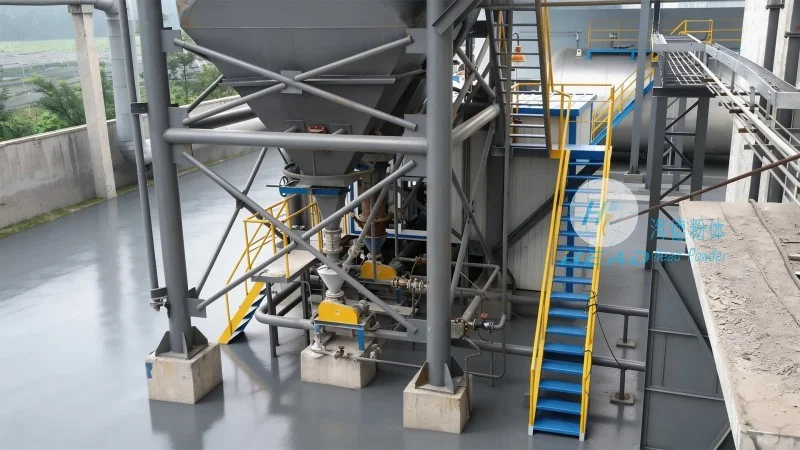
To ensure the longevity and optimal performance of dry material conveying systems, regular maintenance and troubleshooting are essential. Maintenance activities include cleaning the system to remove accumulated material, lubricating moving parts, checking for wear and tear, and inspecting components for damage. Proper maintenance helps prevent breakdowns and extends the lifespan of the equipment. Troubleshooting is necessary when issues arise, such as material blockages, conveyor belt slippage, or control panel malfunctions. Common troubleshooting steps include checking the feeder for overloading, inspecting the conveyor for obstructions, verifying the air pressure in pneumatic systems, and testing the control panel for proper operation. By addressing issues promptly, operators can minimize downtime and maintain the efficiency of the system. HeadPowder provides comprehensive maintenance services and technical support to help clients keep their dry material conveying systems in top condition.
Future Trends and Innovations in Dry Material Conveying Technology
The field of dry material conveying technology is continuously evolving, with new innovations aimed at improving efficiency, safety, and sustainability. One emerging trend is the integration of automation and artificial intelligence (AI) into conveying systems, enabling predictive maintenance and real-time monitoring of performance. Smart sensors and IoT devices are being used to collect data on system operation, allowing for proactive maintenance and optimization. Another trend is the development of more energy-efficient systems, such as variable speed drives and energy recovery mechanisms, which reduce power consumption and lower operational costs. Additionally, advancements in material handling technology, such as flexible conveyors and modular systems, offer greater adaptability and ease of installation. These innovations are driven by the need for more sustainable and efficient industrial operations, and they are expected to play a significant role in the future of dry material handling.