

Operation Process and Working Principle of Synthetic Fiber Material Conveying System Equipment
For industrial applications involving synthetic fiber materials, the efficient and reliable operation of conveying systems is crucial. This article provides an in-depth exploration of the operation process and working principle of synthetic fiber material conveying system equipment, highlighting key components, operational sequences, and technical aspects that ensure optimal performance in material handling tasks.
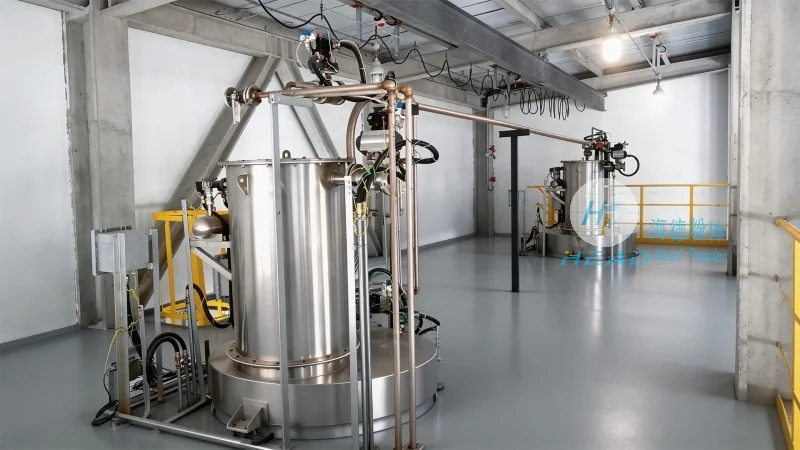
Overview of Synthetic Fiber Material Conveying Systems
Synthetic fiber material conveying systems are specialized equipment designed to transport various types of synthetic fibers, such as polyester, nylon, and acrylic, from one location to another within industrial facilities. These systems are integral to processes like textile manufacturing, fiber processing, and material recycling, where consistent and controlled movement of fibers is essential for maintaining product quality and operational efficiency. The design of these systems typically incorporates robust components capable of handling the unique characteristics of synthetic fibers, including their lightweight nature, varying lengths, and potential for static electricity.
Key Components of the Conveying System
The synthetic fiber material conveying system consists of several critical components that work in tandem to facilitate material transport. These include feed hoppers, conveyor belts or rollers, control panels, and discharge mechanisms. Feed hoppers are used to collect and store the synthetic fibers before they are introduced into the conveying path. The conveyor mechanism, which may be a belt system or a series of rollers, is responsible for moving the fibers along the designated route. Control panels enable operators to monitor and adjust the system's parameters, such as speed and direction, ensuring precise control over the material flow. Discharge mechanisms, such as chutes or collection bins, are used to direct the fibers to their final destination, whether it's a processing unit or a storage area.
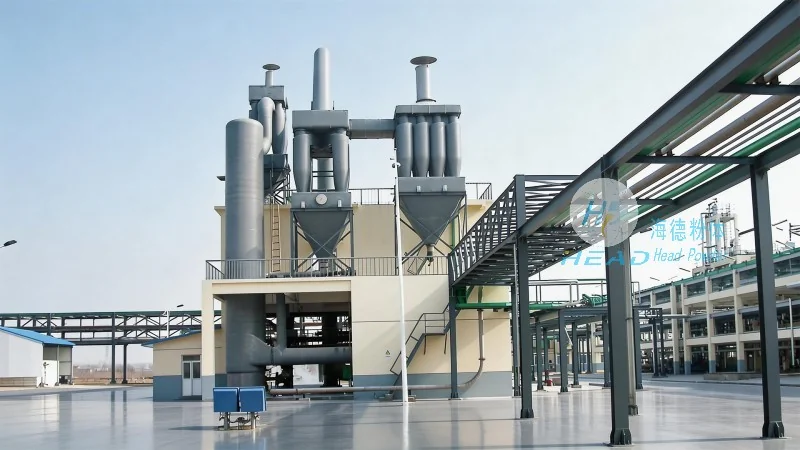
Operation Process: Step-by-Step Workflow
The operation of the synthetic fiber material conveying system follows a systematic workflow that ensures smooth and continuous material handling. The process begins with the loading of synthetic fibers into the feed hopper. Once the hopper is filled to a predetermined level, the system initiates the conveyor mechanism, which starts moving the fibers along the designated path. As the fibers travel through the conveyor, they may pass through additional components like filters or separators to remove impurities or adjust their characteristics. The control panel allows operators to monitor the system's performance in real-time, adjusting parameters as needed to maintain optimal flow rates. When the fibers reach the discharge point, the system activates the discharge mechanism, directing them into the next stage of the production process or into a storage container. The entire operation is designed to be automated or semi-automated, minimizing the need for manual intervention and reducing the risk of human error.
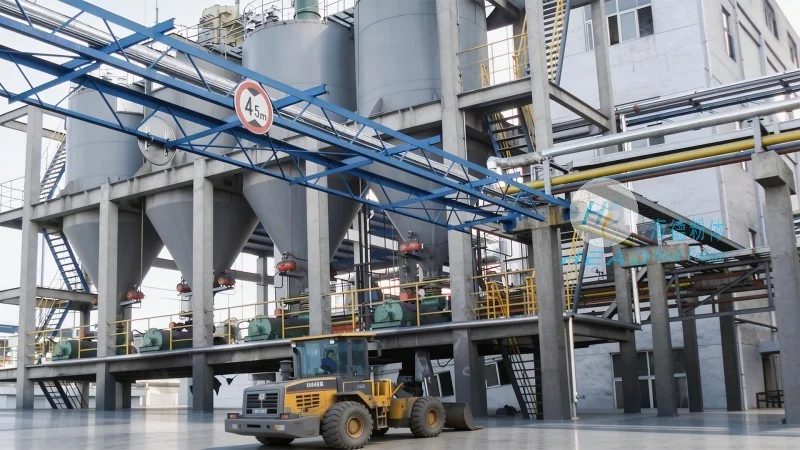
Working Principle: Mechanisms and Technologies
The working principle of the synthetic fiber material conveying system is based on mechanical and pneumatic technologies that effectively handle the movement of lightweight synthetic fibers. The primary mechanism involves the use of conveyor belts or rollers that are driven by electric motors, creating a continuous motion that propels the fibers forward. In some systems, pneumatic components, such as air blowers or suction devices, may be employed to assist in the transport, especially for fibers that are prone to static or require gentle handling. The system also incorporates sensors and feedback mechanisms to detect any disruptions or blockages in the conveyor path, triggering alarms or automatic shutdowns to prevent damage to the equipment or material. Additionally, the design may include features like anti-static coatings or grounding systems to manage static electricity, which is a common issue with synthetic fibers and can affect the system's performance and safety.
Benefits and Applications of Synthetic Fiber Conveying Systems
The synthetic fiber material conveying system offers several benefits that enhance operational efficiency and product quality in industrial settings. These systems provide consistent and controlled material flow, reducing the risk of material loss or contamination. By automating the transport process, they minimize labor costs and improve safety by reducing the need for manual handling of fibers. The systems are also designed to be flexible, allowing for adjustments in conveyor speed and direction to accommodate different types of synthetic fibers and production requirements. Applications of these systems include textile manufacturing, where fibers are transported to spinning machines or weaving looms; fiber processing plants, where fibers are sorted, cleaned, and prepared for further processing; and recycling facilities, where used synthetic fibers are collected and transported to reprocessing units. The reliability and efficiency of these systems contribute to overall productivity and cost-effectiveness in the synthetic fiber industry.