

Operation Process and Working Principle of Dry Manure Material Conveying System Equipment
For agricultural and livestock farming operations, efficient management of manure is crucial for maintaining hygiene, reducing environmental impact, and optimizing resource utilization. The dry manure material conveying system equipment, developed by Shandong HeadPowder Engineering Co., Ltd., is a specialized solution designed to handle the transportation of dry manure efficiently and safely. This equipment plays a vital role in modern farming practices, ensuring that manure is moved from collection points to processing or storage areas with minimal effort and maximum effectiveness.
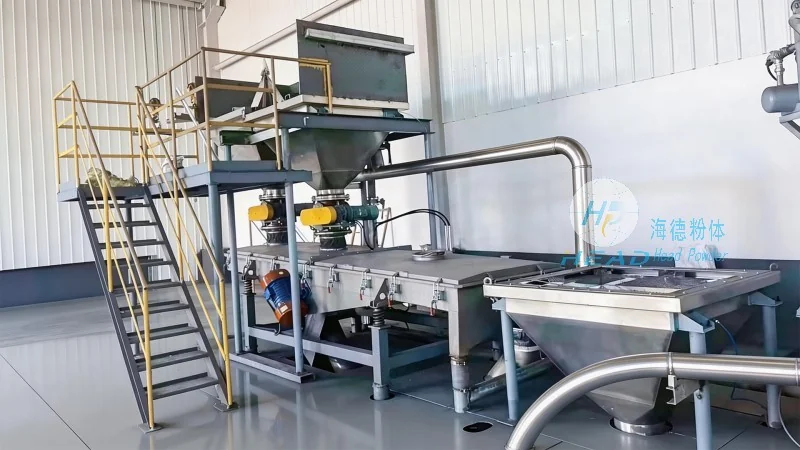
Overview of the Dry Manure Material Conveying System
The dry manure material conveying system is engineered to handle bulk dry manure, which is typically collected from barns, pens, or storage facilities. The system comprises several key components, including a feeding mechanism, a conveyor system (such as a screw conveyor or belt conveyor), and a control unit. Each component works in tandem to ensure smooth and continuous operation. The design prioritizes durability, low maintenance, and energy efficiency, making it suitable for long-term use in demanding agricultural environments.
Key Components and Their Functions
1. Feeding Mechanism: This component is responsible for collecting and feeding the dry manure into the conveyor system. It may include a hopper or a loading chute that guides the material into the conveyor. The feeding mechanism is designed to handle varying loads and maintain a consistent flow of material, preventing blockages and ensuring steady operation.
2. Conveyor System: The core of the conveying system, this component transports the dry manure from the feeding point to the discharge point. Screw conveyors are commonly used for this application due to their ability to handle bulk materials and maintain a uniform flow. The screw, rotating within a cylindrical tube, pushes the manure forward, while the speed and rotation can be adjusted to control the conveying rate. Belt conveyors may also be employed for larger volumes or longer distances, offering flexibility in material handling.
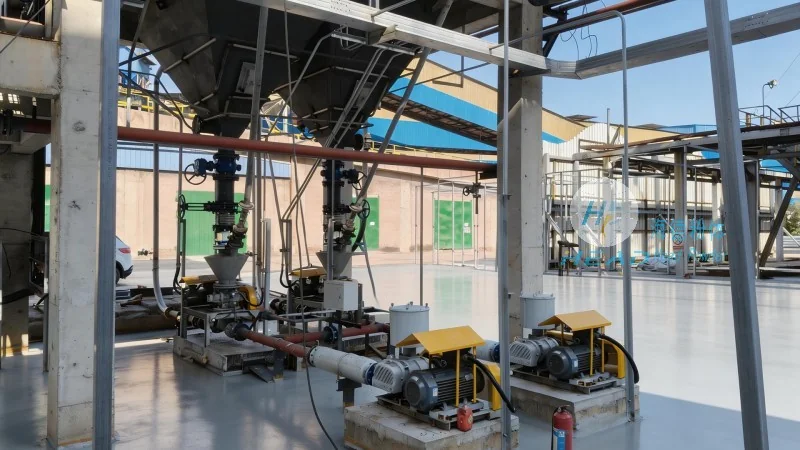
3. Drive and Control Unit: This unit manages the operation of the conveyor system. It includes motors, gears, and control panels that regulate the speed and direction of the conveyor. The control unit allows operators to adjust settings based on the type and quantity of manure being handled, ensuring optimal performance. Additionally, safety features such as emergency stop buttons and overload protection are integrated to prevent accidents and equipment damage.
Operation Process of the Conveying System
The operation of the dry manure material conveying system follows a systematic process that ensures efficient material handling. The steps are as follows:
- Material Collection: Dry manure is collected from the source, such as animal pens or storage silos. The material is typically in a loose, granular form, which is ideal for conveying via the system.
- Feeding into the Hopper: The collected manure is fed into the hopper or loading chute. The feeding mechanism ensures that the material is evenly distributed into the conveyor inlet.
- Conveyor Transport: The material is then conveyed by the rotating screw or belt, moving from the feeding point to the discharge point. The speed of the conveyor can be adjusted to match the production rate of the farm.
- Discharge and Storage: At the discharge end, the manure is deposited into a storage container, processing unit, or transport vehicle. The system ensures that the material is delivered without spillage or loss, maintaining hygiene and operational efficiency.
Working Principle of the System
The working principle of the dry manure material conveying system is based on mechanical energy transfer and material displacement. The primary mechanism involves the use of a rotating screw or belt to move the dry manure along a defined path. The screw conveyor operates by using the rotational force of the screw to push the material forward, leveraging the friction between the screw and the material to achieve movement. This method is effective for dry, non-adhesive materials like manure, as it minimizes the risk of clogging and ensures consistent flow.
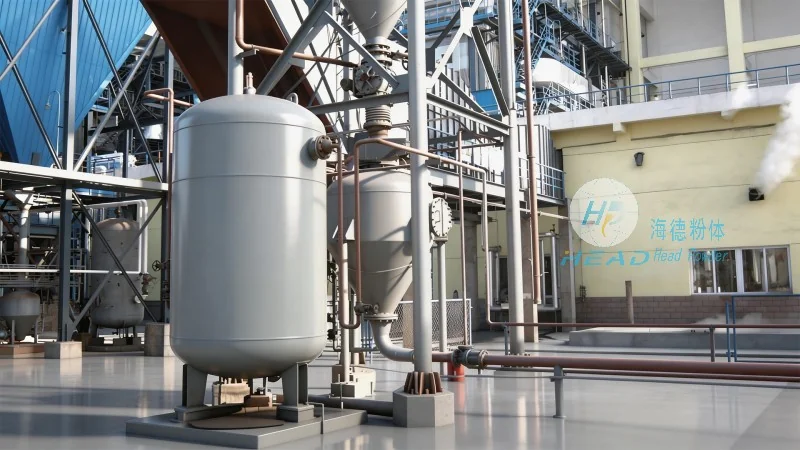
Additionally, the system incorporates a closed-loop control system that monitors key parameters such as material level, conveyor speed, and motor load. This allows for real-time adjustments to maintain optimal performance. The control unit communicates with sensors placed along the conveyor to detect any blockages or abnormalities, triggering alerts or automatic shutdowns to prevent damage to the equipment.
Benefits and Applications
The dry manure material conveying system offers several advantages for agricultural operations. These include improved labor efficiency, reduced manual handling, enhanced hygiene, and better environmental management. The system is particularly useful in large-scale farming operations where manure volumes are high and manual transport is impractical. It also supports sustainable farming practices by enabling the efficient use of manure as a resource for composting or fertilizer production.
Shandong HeadPowder Engineering Co., Ltd. has designed this equipment to meet the specific needs of modern agriculture, ensuring that it is reliable, durable, and easy to maintain. The company’s commitment to quality and innovation has made their conveying systems a trusted choice for farmers and agricultural businesses across China.