

Operation Process and Working Principle of Urea Granule Material Handling System Equipment
Urea granule material handling system equipment is a specialized piece of machinery designed to facilitate the efficient transportation and processing of urea granules within industrial fertilizer production facilities. As a critical component in the supply chain, this system ensures that urea granules are moved from the production reactor to storage silos or packaging lines with minimal loss, maximum efficiency, and optimal safety. The equipment is engineered to handle the unique properties of urea granules, such as their size, density, and flow characteristics, while maintaining a consistent and controlled material flow throughout the operation.
Key Components and Their Functions
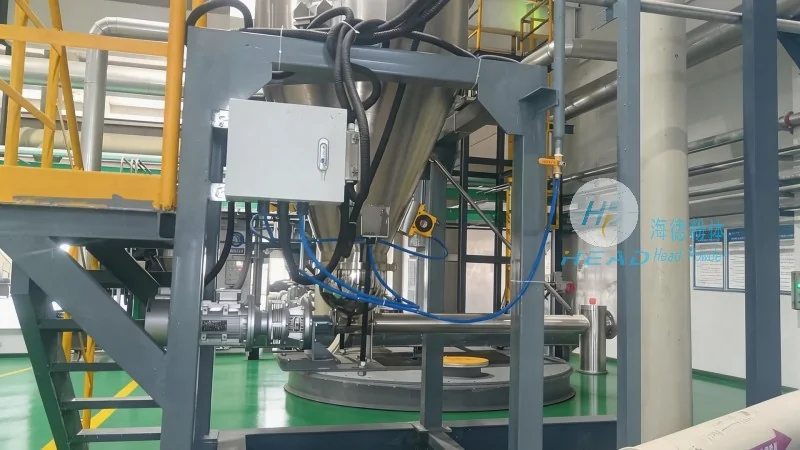
The urea granule material handling system comprises several interconnected components, each playing a vital role in the overall operation. The primary components include the hopper feeder, which serves as the initial receiving and feeding unit. The hopper feeder is typically made of durable materials like stainless steel to withstand the corrosive nature of urea and prevent material buildup. Its function is to regulate the flow rate of urea granules from the production line, ensuring a steady and uniform supply to the subsequent conveyor system. The conveyor system, often utilizing belt conveyors or screw conveyors, is responsible for transporting the urea granules through the system. Belt conveyors are commonly used for horizontal or slight incline transport, while screw conveyors are suitable for vertical or more complex path transport. The control system, integrated with sensors and automation technology, monitors key parameters such as flow rate, pressure, and level, adjusting the operation of the feeder and conveyor in real-time to maintain optimal performance. Additionally, the system may include buffer tanks or storage silos to manage material inventory and prevent bottlenecks during peak production periods.
Working Principle of the Material Handling Process
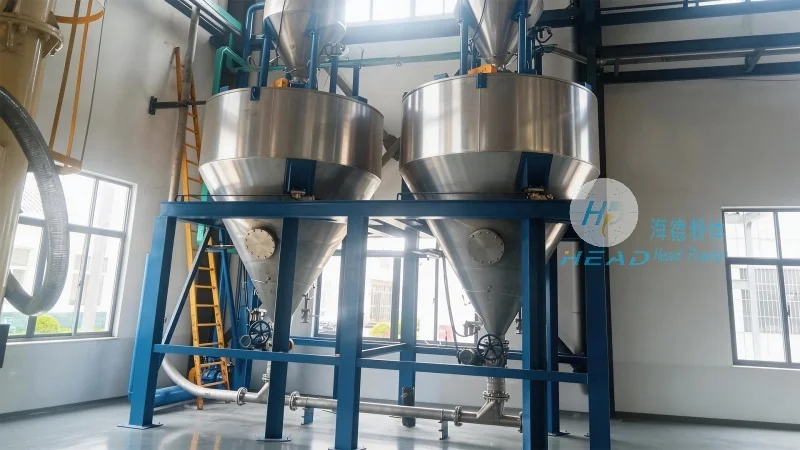
The operation process of the urea granule material handling system begins with the urea granules being discharged from the production reactor into the hopper of the feeder. The feeder then activates, using a rotating mechanism or vibration to move the granules into the conveyor system. The conveyor transports the granules to the next stage, such as a storage silo or a packaging machine. The control system continuously monitors the level of granules in the hopper and silo, adjusting the speed of the feeder to maintain a balanced flow. For example, if the hopper level is low, the feeder speed increases to replenish the material; if the silo is nearly full, the conveyor speed slows down to prevent overfilling. This closed-loop control system ensures that the material handling process is efficient, minimizing downtime and maximizing throughput. The system also includes safety features such as overload sensors and emergency stop buttons to protect against equipment damage and ensure operator safety.
Operation Process Step-by-Step
The entire operation of the urea granule material handling system can be broken down into a series of sequential steps. First, the urea granules are produced in the reactor and discharged into the hopper. The hopper feeder then starts to feed the granules at a controlled rate, typically based on the production capacity and demand. The conveyor system receives the granules and transports them to the storage silo. The control system monitors the level in the hopper and silo, adjusting the feeder speed to maintain a consistent flow. During the process, any blockages in the hopper or conveyor are detected by sensors, triggering alarms and automatic adjustments to clear the obstruction. The system operates continuously, ensuring that the urea granules are handled safely and efficiently from the production stage to the storage or packaging stage. The step-by-step process ensures that each component works in harmony, maintaining the integrity of the urea granules and preventing quality degradation.
Advantages and Benefits of the System
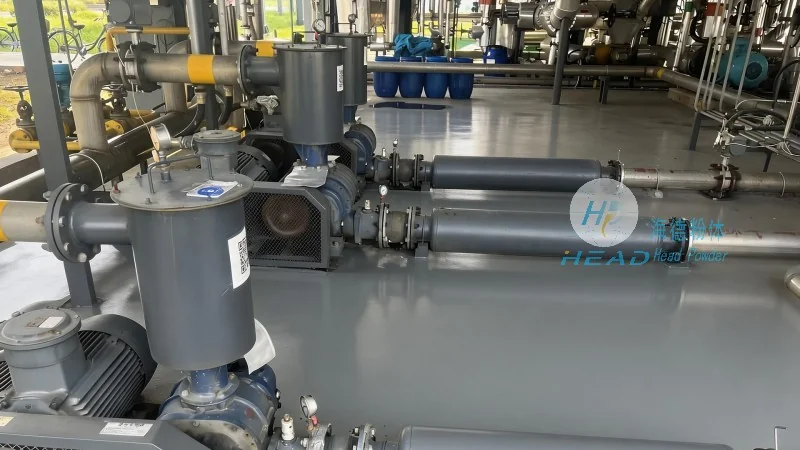
The urea granule material handling system offers several significant advantages that contribute to improved operational performance and cost-effectiveness. The automated control system reduces the need for manual labor, minimizing human error and increasing productivity. By maintaining a consistent flow rate, the system ensures that the urea granules are handled gently, preserving their granule structure and quality, which is crucial for downstream processing and end-user applications. The system also enhances safety by reducing the risk of dust explosions and material handling accidents, as the enclosed design and automated controls minimize exposure to hazardous materials. Additionally, the modular design allows for easy maintenance and scalability, enabling the system to adapt to changing production demands or facility expansions. The integration of sensors and real-time monitoring provides operators with valuable data for process optimization and predictive maintenance, further reducing downtime and maintenance costs. Overall, the urea granule material handling system is a critical investment for fertilizer production facilities, delivering reliable performance and contributing to overall operational efficiency.